
How to Calculate Generator Power Correctly?
Professional Approach for Industrial and Construction Projects
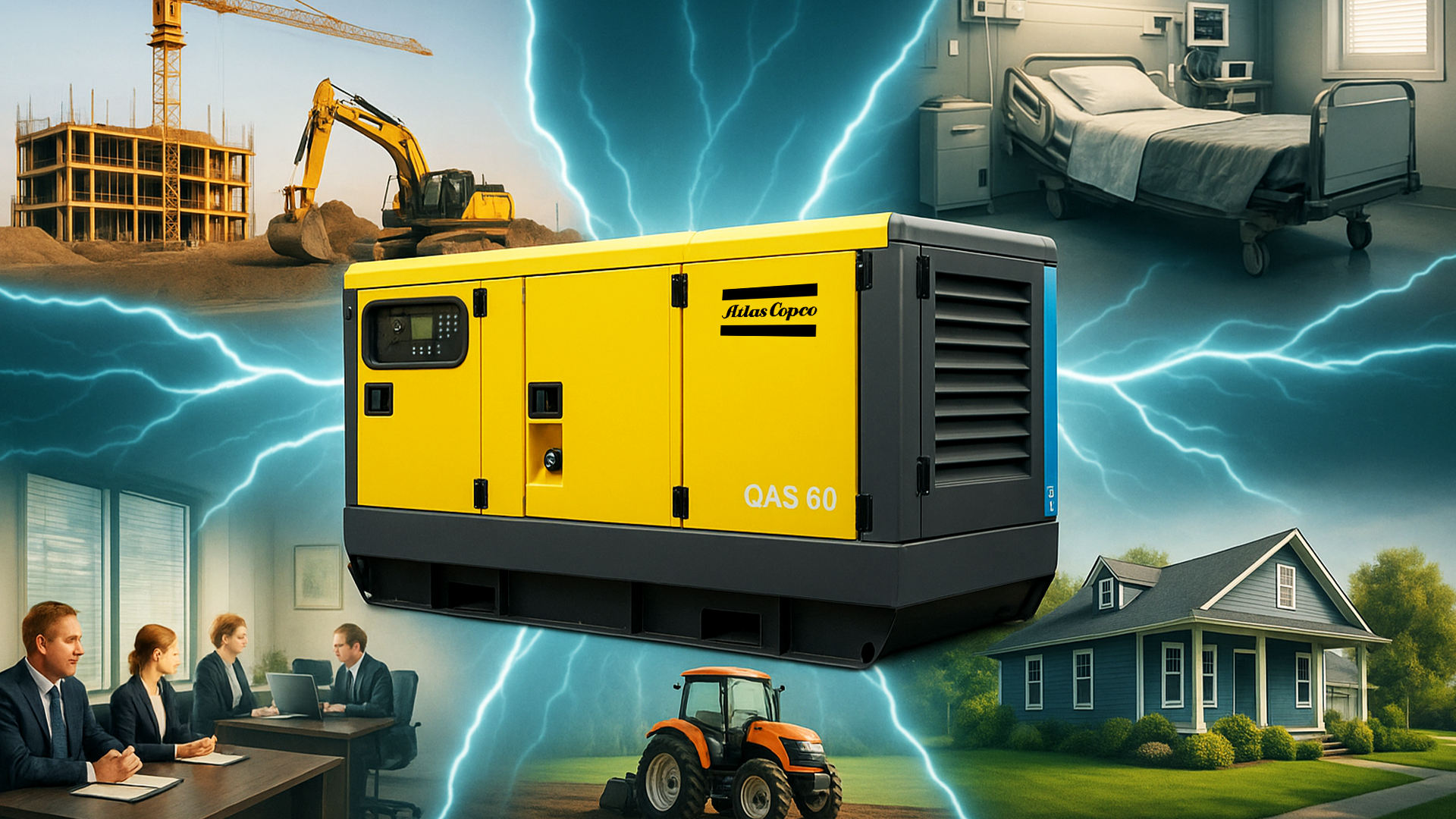
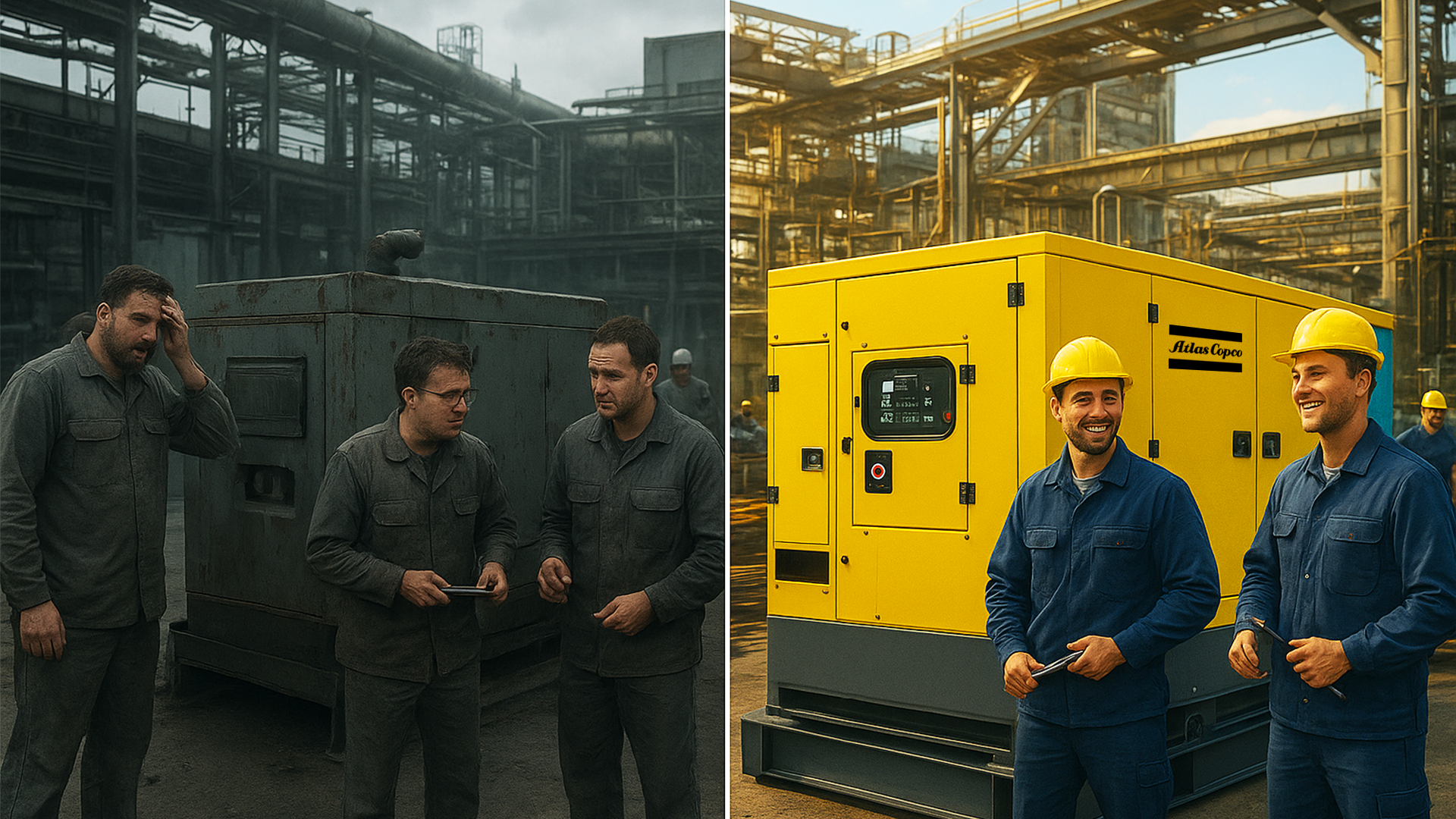
If power is stable, the project runs smoothly. Generator selection is not guesswork, it is a technical calculation. Incorrect sizing leads to fuel inefficiency, overload risks, and potential equipment damage.
This article explains the professional method of generator power calculation.
1. Load Analysis
Start by listing all electrical consumers:
- Compressors
- Pumps
- Welding machines
- Ventilation systems
- Lighting
- Office equipment
For each device determine:
- Rated power (kW)
- Starting power
- Phase type (single-phase / three-phase)
- Power factor (Cosφ)
2. Active Power Calculation
If only voltage and current are provided:
Single-phase:
kW = (V × A × Cosφ) / 1000
Three-phase:
kW = (1.732 × V × A × Cosφ) / 1000
In industrial applications, Cosφ is typically assumed as 0.8.
3. Starting Current (Inrush Current)
Motor-driven equipment may require 2–3 times its rated power during startup.
Example:
30 kW compressor
Starting demand may reach 60–90 kW
Ignoring this factor can cause generator protection trips.
4. Add Safety Margin
A 20–25% safety margin should be added to the calculated load.
Example:
Total load: 120 kW
25% margin: 30 kW
Recommended generator size: 150 kW
This ensures operational stability and future expansion capacity.
5. Difference Between kW and kVA
Generators are typically rated in kVA.
Formula:
kVA = kW / Cosφ
If Cosφ = 0.8:
150 kW / 0.8 = 187.5 kVA
Therefore, a 200 kVA generator would be appropriate.
6. Prime vs Standby Mode
Generator selection must consider operating mode:
- Prime Power — continuous operation
- Standby Power — emergency backup
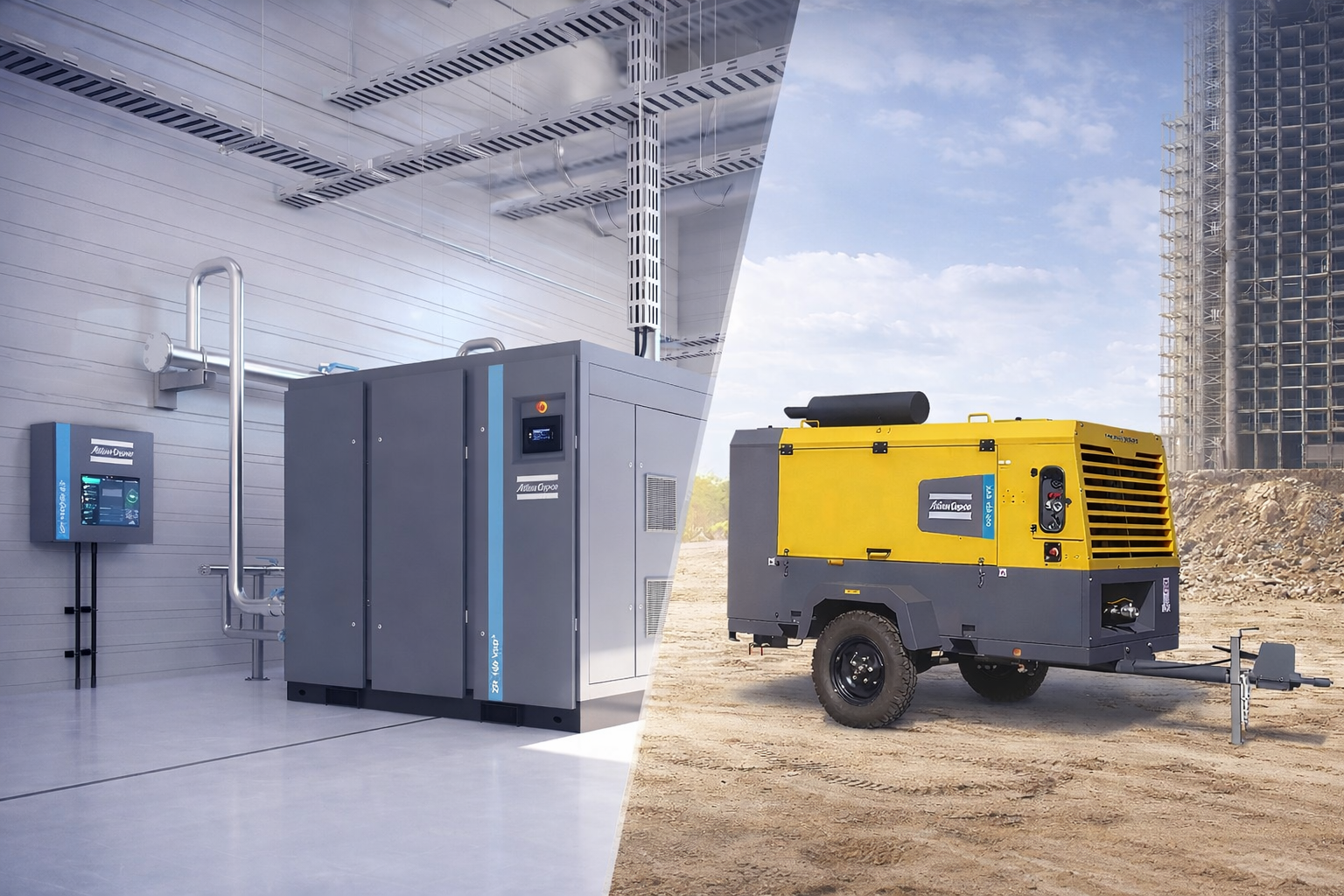
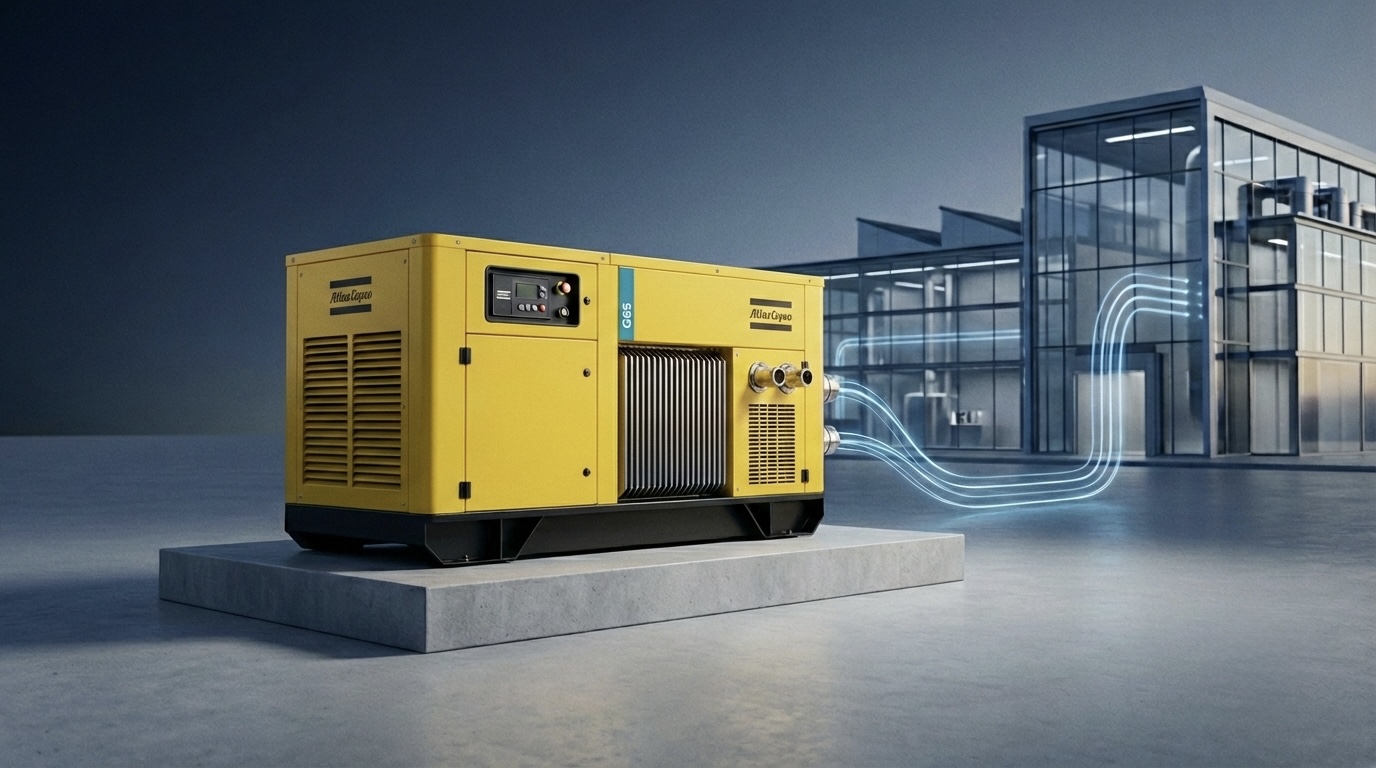
Industrial solutions such as Atlas Copco generators provide configurations for both operating modes.
Conclusion
Correct generator sizing:
Reduces overload risks
Optimizes fuel consumption
Extends equipment lifespan
Ensures project reliability
Reliable energy starts with accurate calculation.