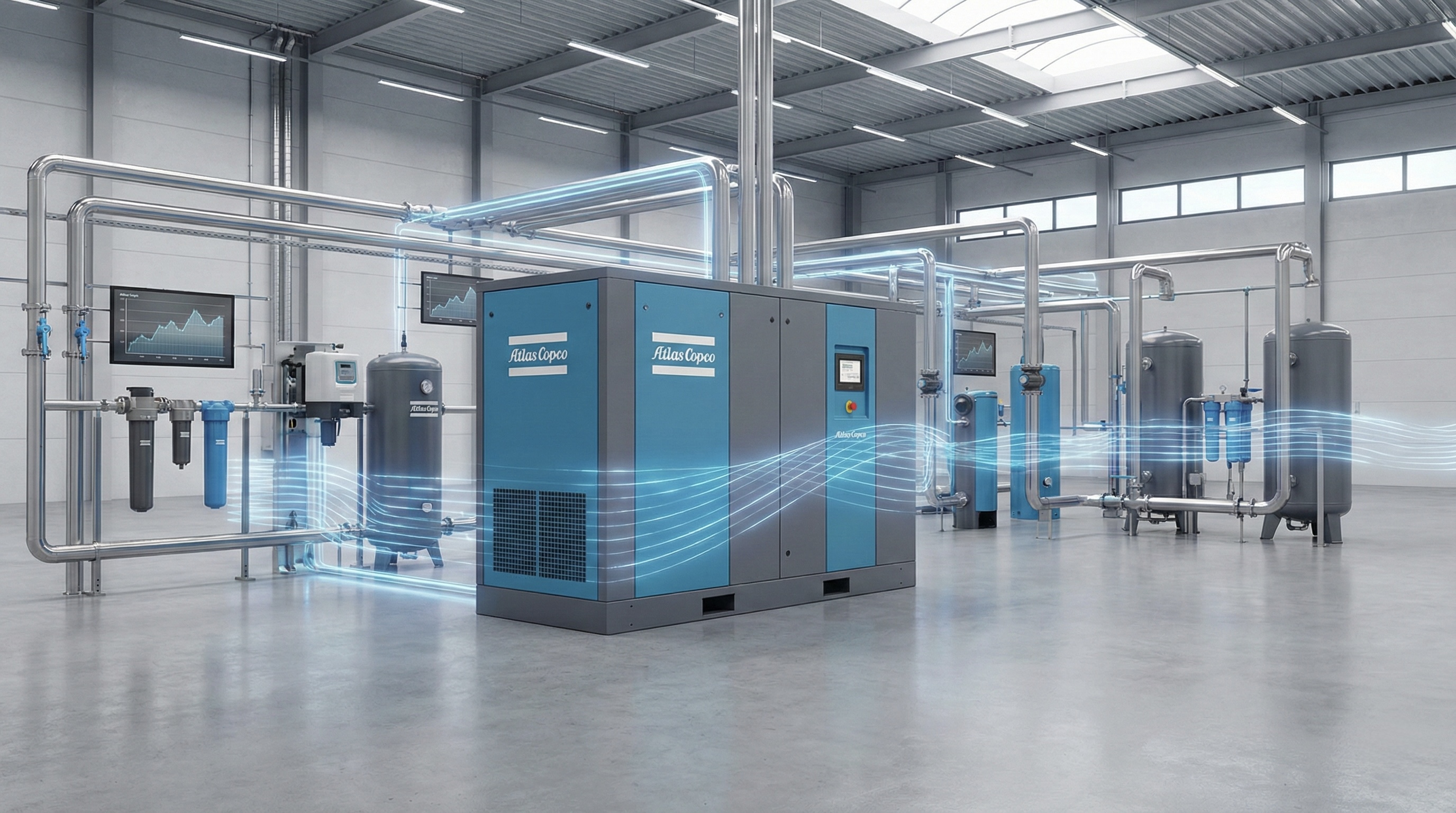
How to Reduce Compressor Energy Consumption?

In industrial facilities, compressed air systems account for a significant share of electricity costs. In many cases, a large portion of this energy is wasted due to inefficiencies. The good news is that with the right approach, compressor energy consumption can be reduced by 20–35%.

Let’s explore how.


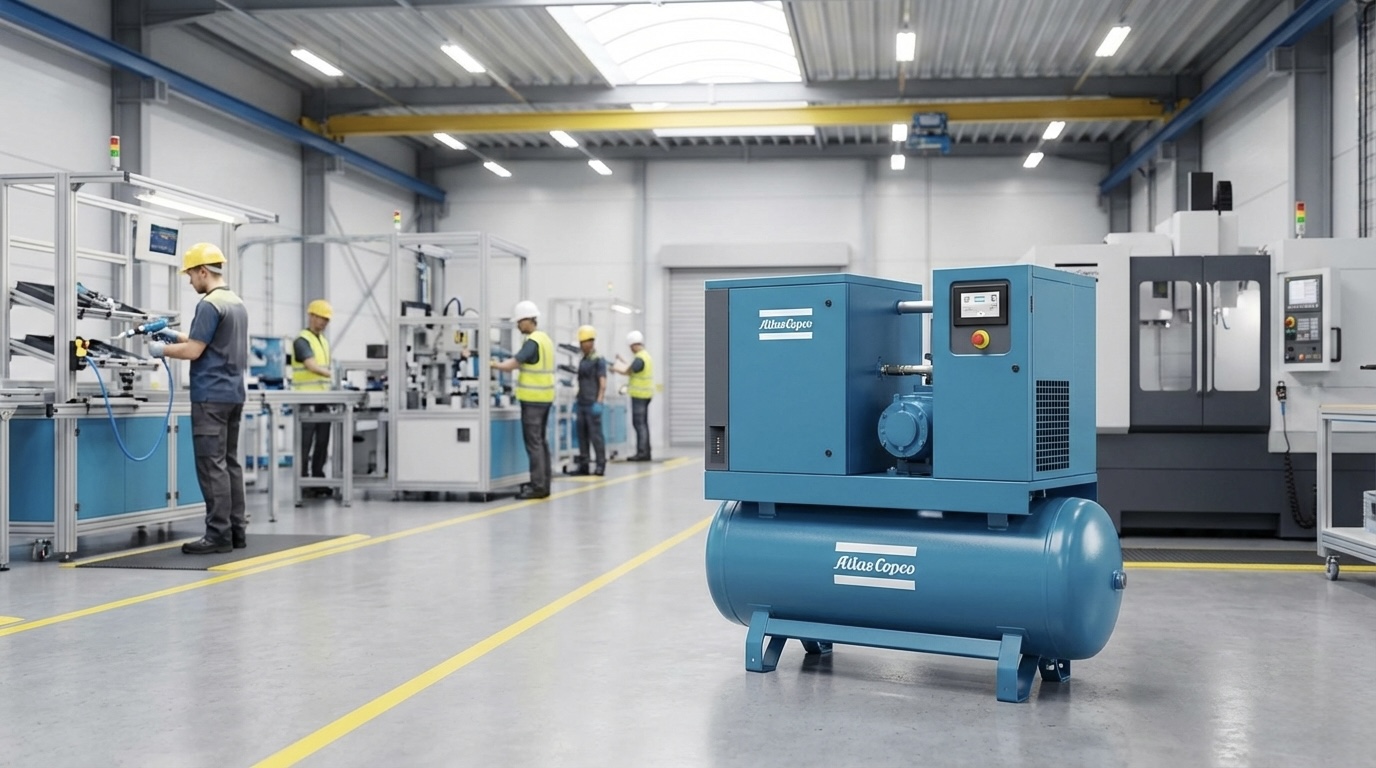
1. Choose the right compressor

Not every compressor fits every application.

  • Oversized compressors consume unnecessary energy
  • Undersized units operate continuously under heavy load

Air demand (m³/min), pressure (bar), and operating profile must be accurately calculated.


2. Use VSD technology

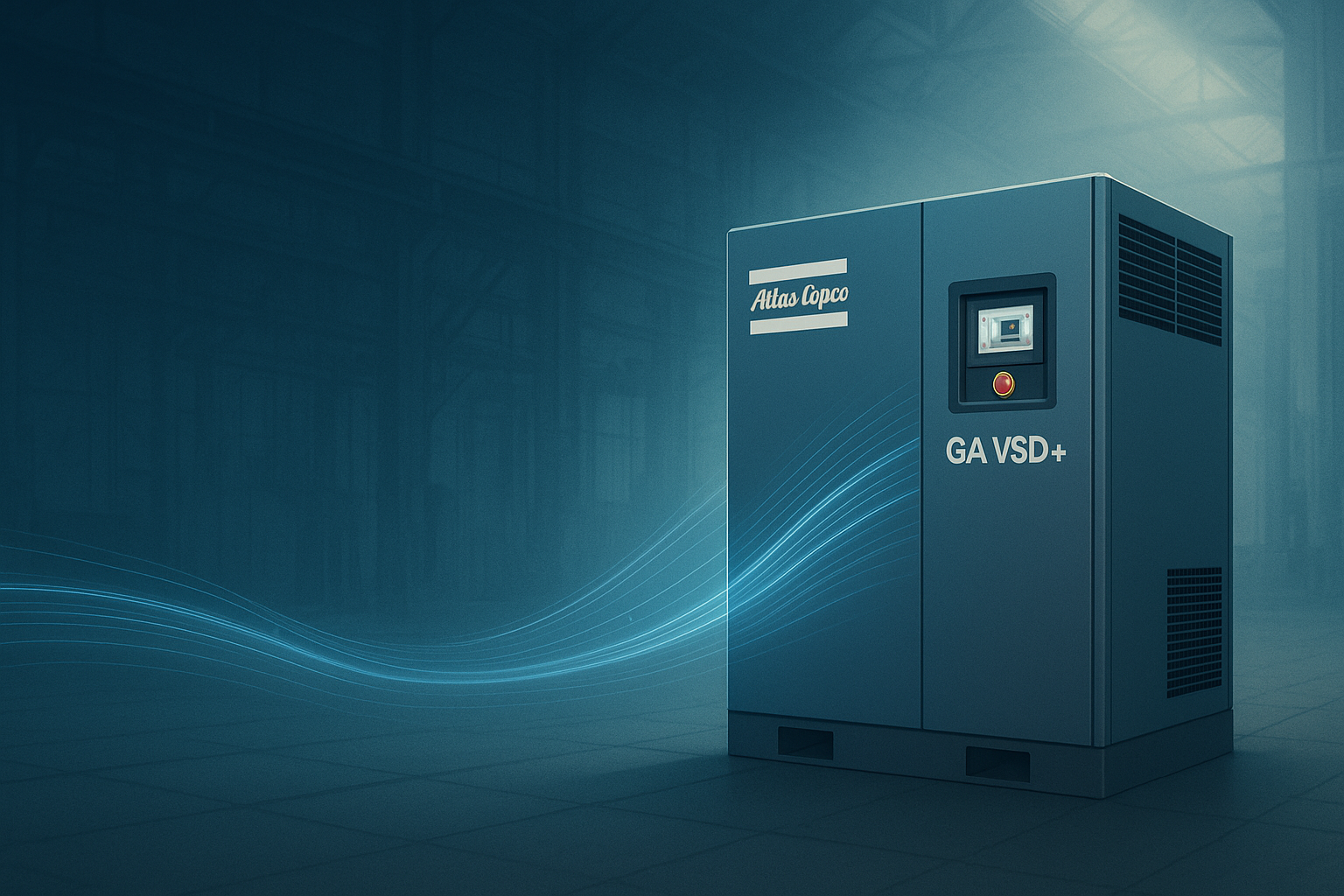
Variable Speed Drive (VSD) compressors adjust motor speed according to real air demand.

  • Reduced energy consumption during partial load
  • Automatic speed control
  • Energy savings of up to 30%

Ideal for operations with fluctuating air demand.


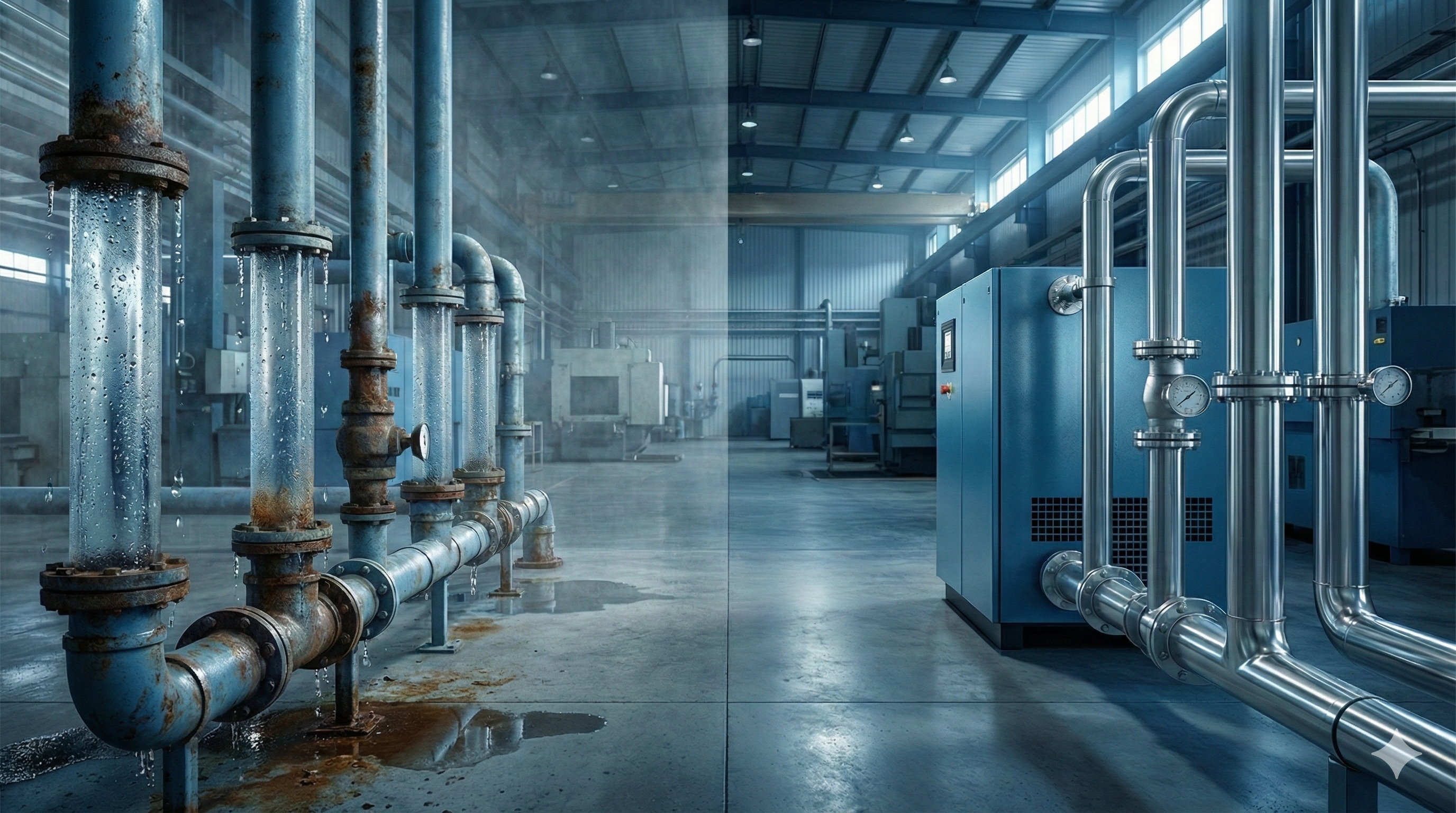
3. Eliminate air leaks

Small leaks can lead to major energy losses.

  • Worn hoses
  • Damaged fittings
  • Open or leaking valves

 Air leaks can waste 20–25% of the total compressed air produced.


4. Optimize operating pressure

Higher pressure means higher energy costs.

  • Every additional +1 bar ≈ 6–7% more energy consumption
  • Pressure should match actual equipment requirements

More pressure does not mean better performance.


5. Perform regular maintenance

A poorly maintained compressor consumes more energy.

  • Dirty filters
  • Old oil
  • Worn components

Proper maintenance improves efficiency and extends equipment lifespan.


6. Don’t overlook air treatment equipment

Incorrectly selected dryers and filters cause:

  • Pressure drops
  • Increased compressor workload

Energy efficiency should be evaluated across the entire compressed air system, not just the compressor.


Conclusion

Reducing compressor energy consumption is not only about lowering costs, but also about:

  • Longer equipment life
  • Stable production processes
  • Reduced environmental impact
  1.  Correct selection
  2.  Smart technology
  3.  Continuous monitoring

These are the three pillars of energy efficiency.

Qumlama avadanlığı nə üçündür?

Qumlama avadanlığının 8 əsas üstünlüyü

Yağlı hava kompressorları nə üçündür?

5 Key Things to Know Before Renting a Generator

Generator Applications – Where is Generator Rental Essential?

Ever wondered “What is sandblasting and why is it so important?”

The Breath of Industry: Further with ATLAS Technologies

Piston Compressors: Power, Speed, and Stability with Atlas

Equipment Selection for Sandblasting – Why Airblast?

Pipeline Inspection: Importance, Processes and Equipment

7 Key Factors to Consider When Choosing a Generator

Differences Between Compressors: Screw vs. Piston – Which One Should You Choose?

What is Sandblasting and Where Is It Used?

The Secret to Working Efficiently in Harsh Conditions with Epiroc Equipment

Top 5 Common Mistakes During Equipment Repair and Service — And How to Avoid Them

How Equipment Rental Brings Savings and Flexibility to Your Business

5 Key Things You Should Know About Compressors

The Right Generator Strategy for Energy Efficiency in Industrial Facilities

How to Measure the Return on Investment (ROI) for Equipment

Genuine vs. Counterfeit Spare Parts: What Really Matters for Your Deutz Engine?

Advantages of DEUTZ Engines: Why Should You Choose DEUTZ?

DEUTZ Engine Training and Professional Diagnostics by Atlas

7 Life-Saving Advantages of Generators — Why Every Worksite Needs One

How to Minimize the Risk of Losing Power at a Worksit

7 Steps to minimize risks in industrial facilities

Equipment Usage in Hot and Cold Climates: Best Practices for Extreme Weather Performance

The Technical Importance of Color Selection in Industrial Coatings

How to Detect Invisible Damage in Industrial Equipment

What Is VSD Technology in Air Compressors and How Does It Save Energy?

Which Compressor Power Should Be Chosen for Each Industry?

Why Is Moisture in Compressed Air Dangerous and How Can It Be Prevented?

Optimal Compressor Solution for Small Manufacturing – Energy Efficient and Reliable Choice

How to Calculate Generator Power Correctly?

How to protect your business from power outages? Backup Generators & Energy Solutions

Send request

{{email_error}}

Sussess name

Success text

Send request

{{email_error}}

Sussess name

Success text

Подготовка поверхности/пескоструйная обработка/окраска

Подготовка поверхности является необходимой первой стадией обработки стальной подложки перед нанесением любого покрытия и наиболее важным фактором, влияющим на общий успех системы защиты от коррозии. На производительность покрытия значительно влияет его способность правильно прилипать к материалу подложки.

Остаточная прокатная окалина на стальных поверхностях является не удовлетворительной основой для применения современных, высокоэффективных защитных покрытий и поэтому удаляются абразиво струйной очисткой. Другие поверхностные загрязнения на прокате стальной поверхности, такие как масло и жир также не желательны и должны быть удалены перед процессом струйной очистки.

Остаточная прокатная окалина на стальных поверхностях является не удовлетворительной основой для применения современных, высокоэффективных защитных покрытий и поэтому удаляются абразиво струйной очисткой. Другие поверхностные загрязнения на прокате стальной поверхности, такие как масло и жир также не желательны и должны быть удалены перед процессом струйной очистки.

{{email_error}}

Sussess name

Success text