
Optimal Compressor Solution for Small Manufacturing – Energy-Efficient and Reliable Choice
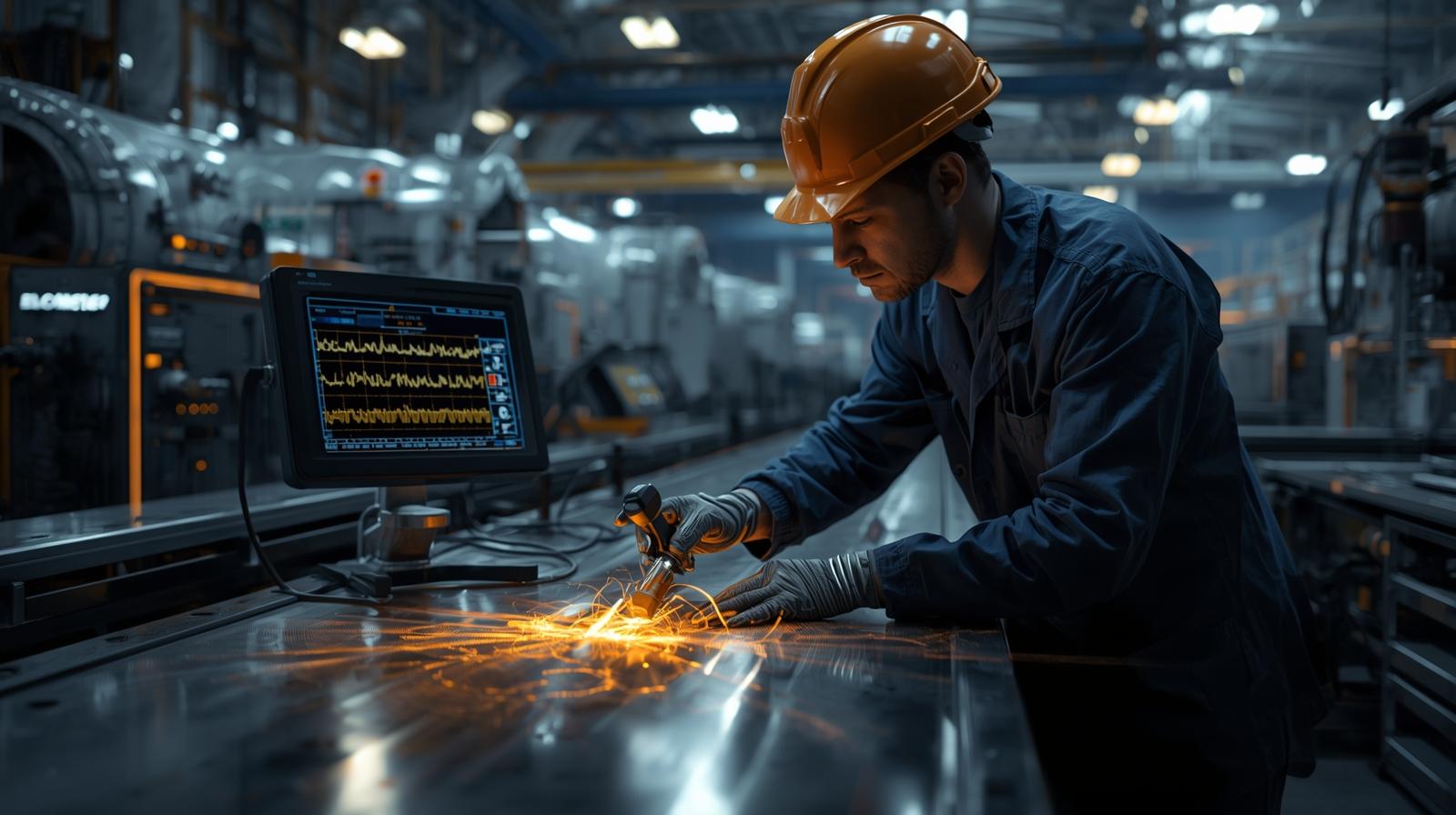
In small and medium-sized manufacturing facilities, compressed air systems are one of the most critical components of the production process. In industries such as food processing, furniture manufacturing, automotive services, metalworking, and painting applications, industrial compressors ensure continuous and stable operations. Choosing the right compressor is not just about purchasing equipment, but about energy efficiency, operational productivity, and long-term reliability.
The importance of compressors in small manufacturing facilities
Compressed air is often referred to as the fourth utility in industry, alongside electricity and water. In modern manufacturing environments, compressor systems are widely used for:
- Operating pneumatic tools
- Painting and coating applications
- Automated production lines
- Packaging processes
- Surface cleaning and preparation
An incorrectly selected industrial compressor can lead to production downtime, excessive energy consumption, and increased maintenance costs.
Key criteria when selecting a compressor
Accurate calculation of air demand
The first step in selecting an optimal compressor is accurately determining the facility’s compressed air demand. The type of pneumatic tools used, operating hours, and the number of machines running simultaneously directly affect total air consumption.
A properly sized compressed air system:
- Reduces energy consumption
- Ensures stable equipment performance
- Prevents unexpected production interruptions
Energy-efficient compressor technologies
Industrial compressors are among the highest energy-consuming assets in manufacturing facilities. Therefore, selecting energy-efficient compressor solutions significantly reduces long-term operating costs.
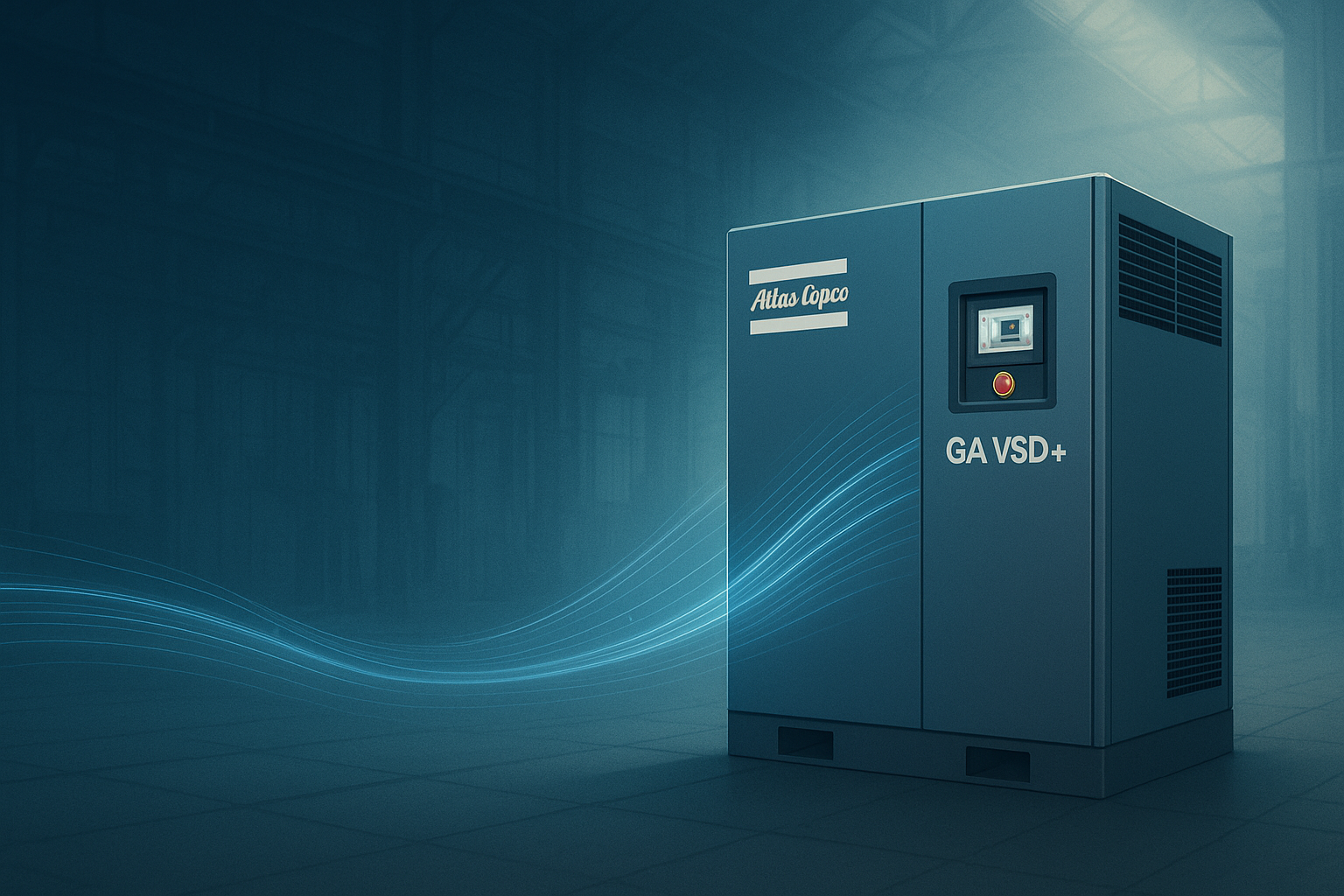
Modern Variable Speed Drive (VSD) compressors adjust their output according to air demand, which helps to:
- Save electrical energy
- Reduce equipment wear
- Improve process stability
Compressor size and noise level
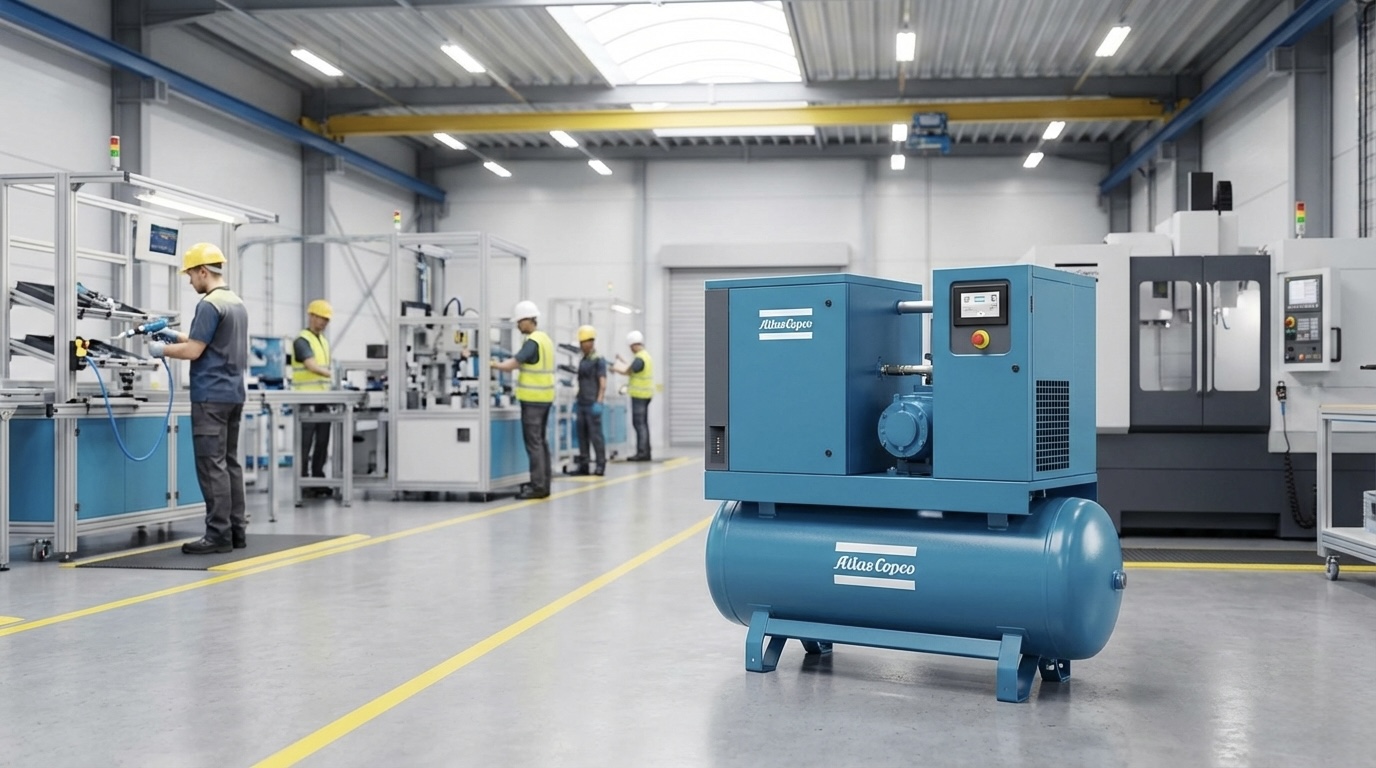
In small manufacturing environments, compact design and low noise levels are major advantages. Low-noise industrial compressors:
- Improve workplace comfort
- Reduce the need for additional sound insulation
- Simplify installation requirements
Maintenance and reliability
Maintenance intervals, availability of spare parts, and reliable service support are essential for uninterrupted production. High-quality industrial compressors help minimize maintenance costs while ensuring long-term operational reliability.
Which type of compressor is best for small manufacturing?
Piston compressors
Piston compressors are suitable for facilities with low and intermittent air demand. While they require lower initial investment, they are generally not ideal for continuous industrial operation.
Screw compressors
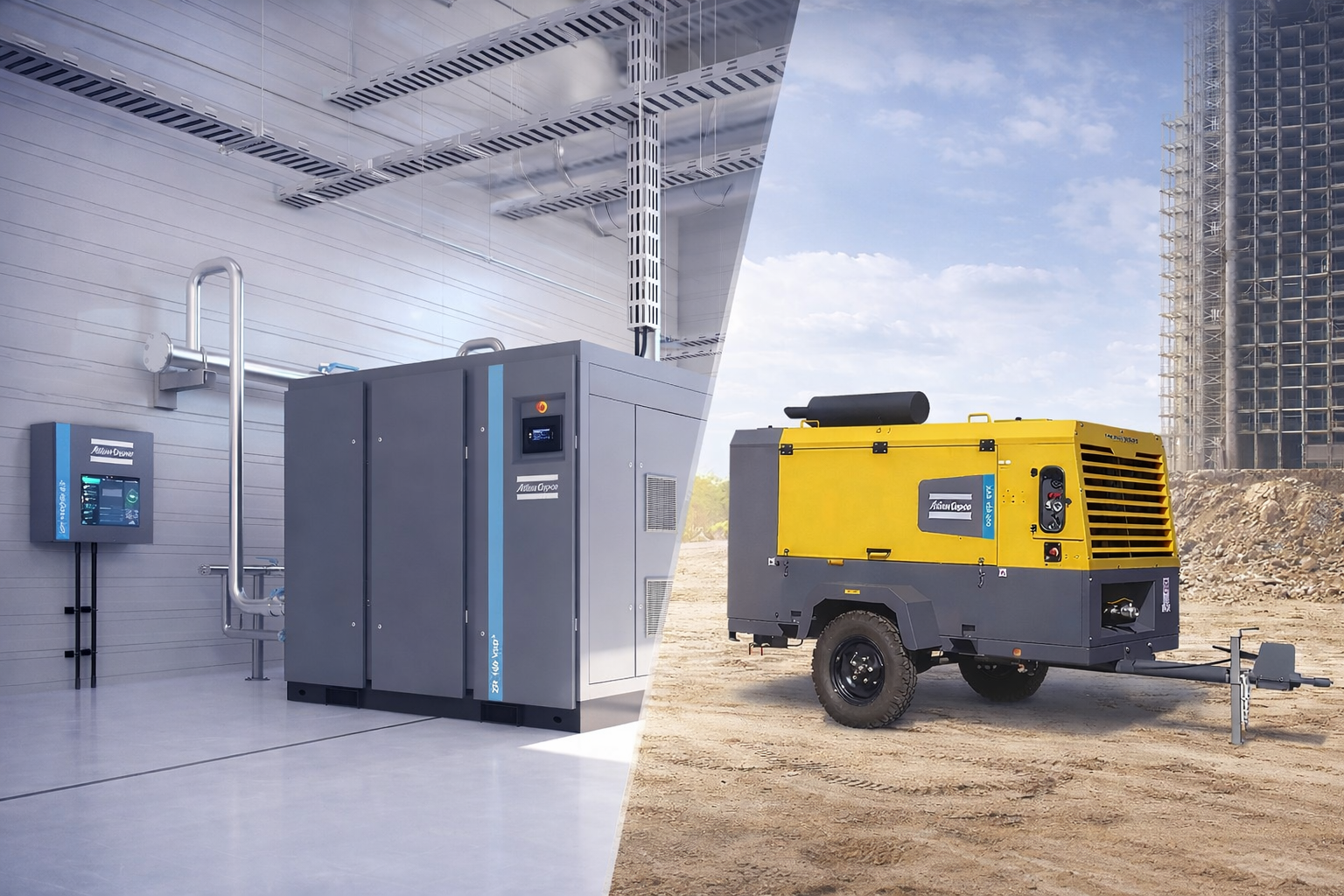
Screw compressors are considered the most optimal solution for small and medium-sized manufacturing facilities. They offer:
- Continuous operation capability
- High energy efficiency
- Stable air supply
- Long-term reliability
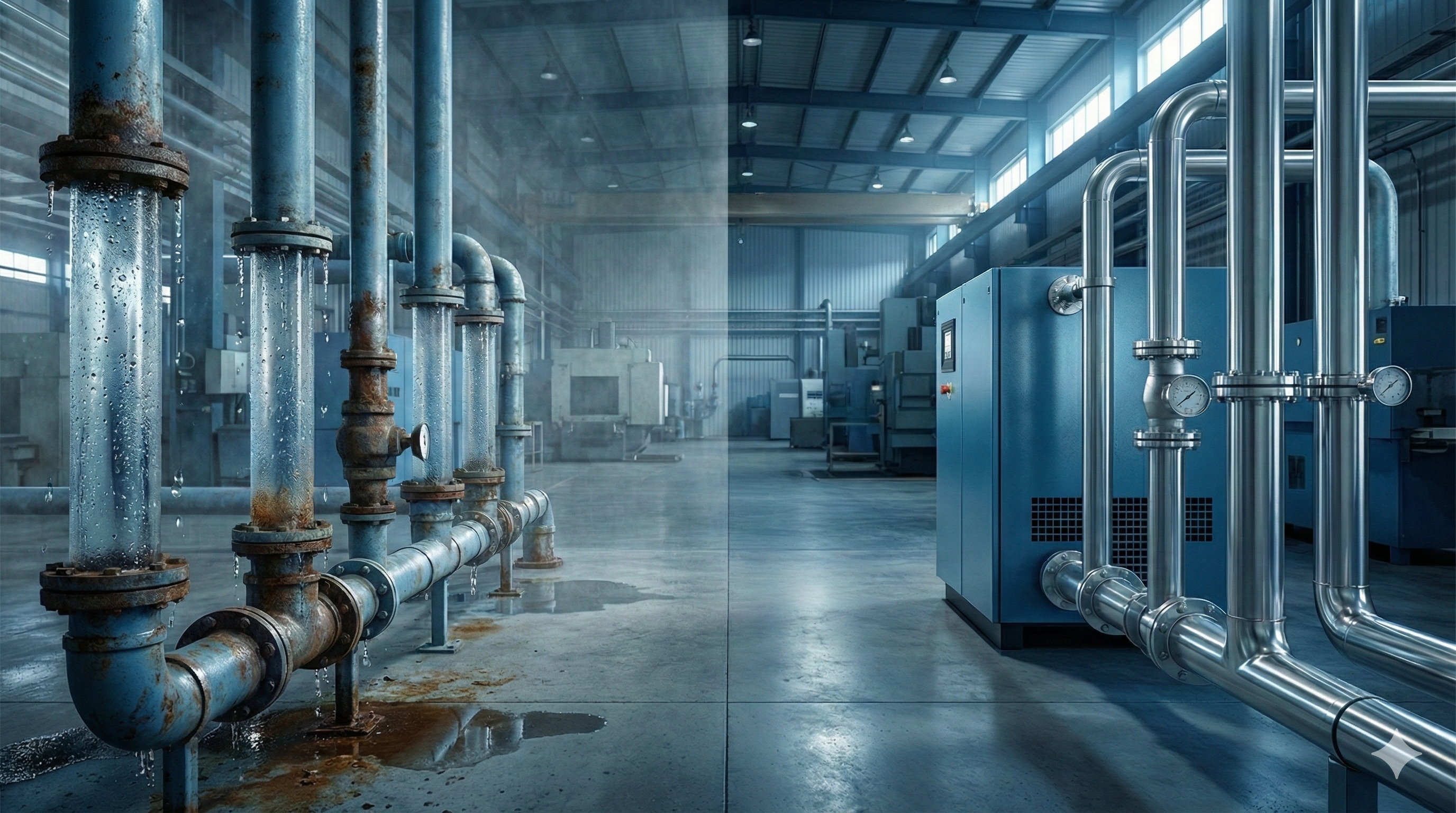
Integrated air dryers improve compressed air quality and protect equipment from moisture and corrosion.
Advantages of modern compressor technologies
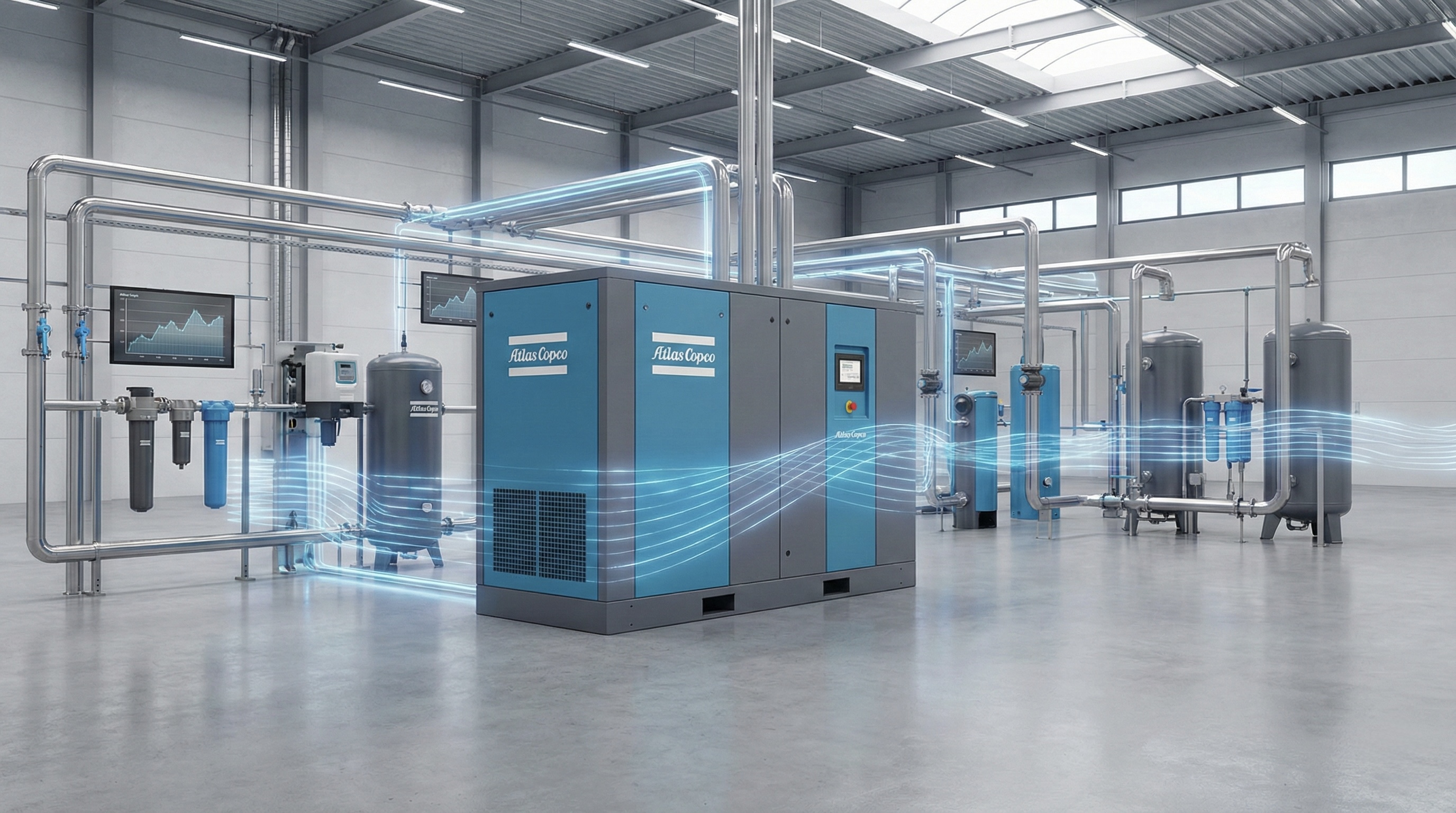
Modern industrial compressor systems are no longer just air-producing machines. Smart control systems and remote monitoring technologies allow manufacturers to maintain full control over their production processes.
These technologies provide:
- Optimized energy consumption
- Early detection of equipment faults
- Reduced risk of production downtime
- Improved compressed air quality
Business impact of choosing the right compressor
Selecting the optimal compressor directly affects overall production performance. Energy-efficient compressor systems reduce operating costs, while stable air supply ensures consistent product quality.
In the long term, the right industrial compressor:
- Increases productivity
- Reduces energy expenses
- Minimizes maintenance costs
- Accelerates return on investment
Conclusion
Choosing the optimal compressor solution for small manufacturing is a strategic decision that requires proper technical analysis and professional expertise. Accurate air demand calculation, energy-efficient technologies, and reliable service support form the foundation for sustainable business growth.
Modern industrial compressors are not just equipment, but strategic solutions that ensure uninterrupted and efficient production.