
How should a backup compressor plan be established for enterprises?
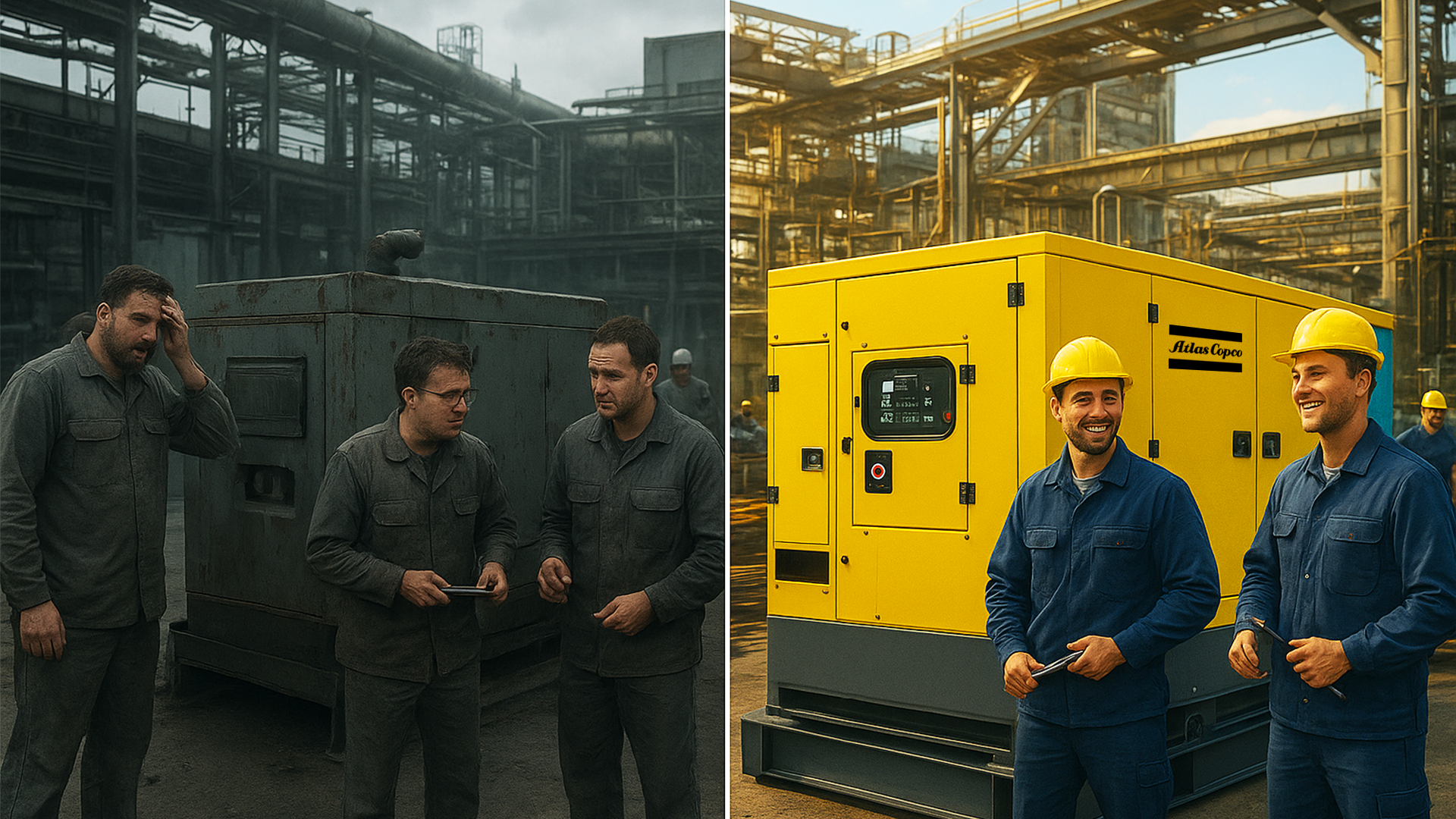
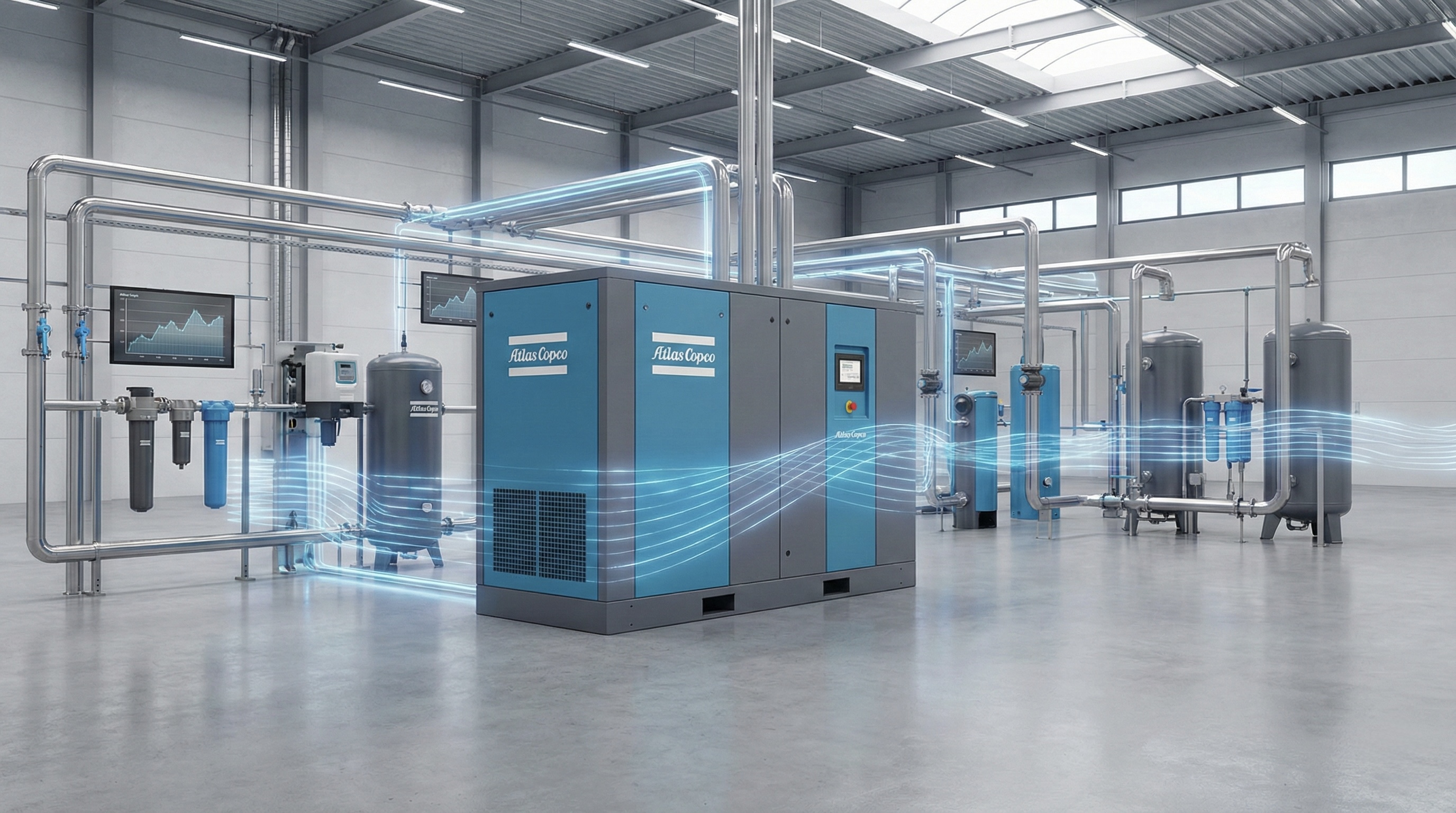
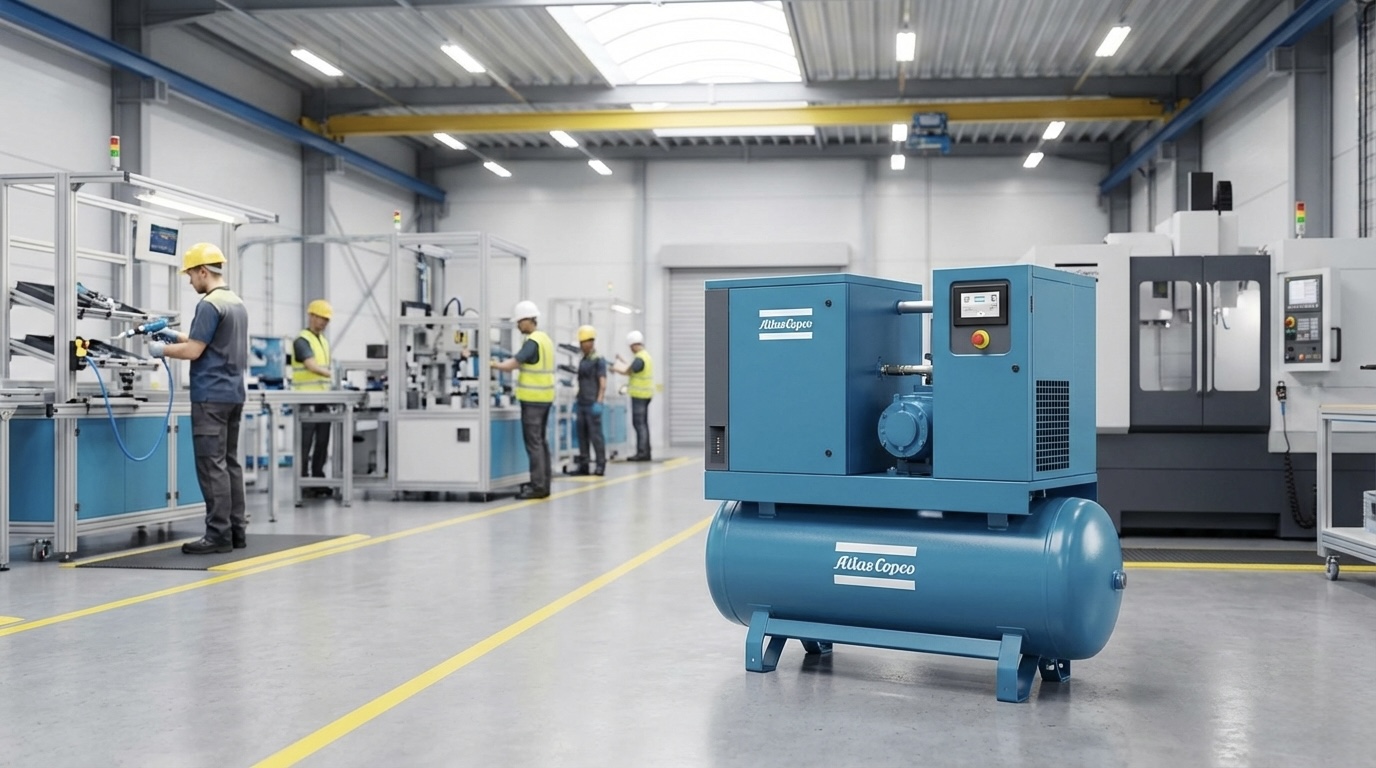
Compressor systems in manufacturing plants are a key part of many technological processes. Hundreds of enterprises, from the food industry to the automotive industry, from metalworking to the chemical industry, use compressed air. In such enterprises, a sudden stop of the compressor means not only a technical failure, but also a stoppage of production, delays in orders and serious financial losses.
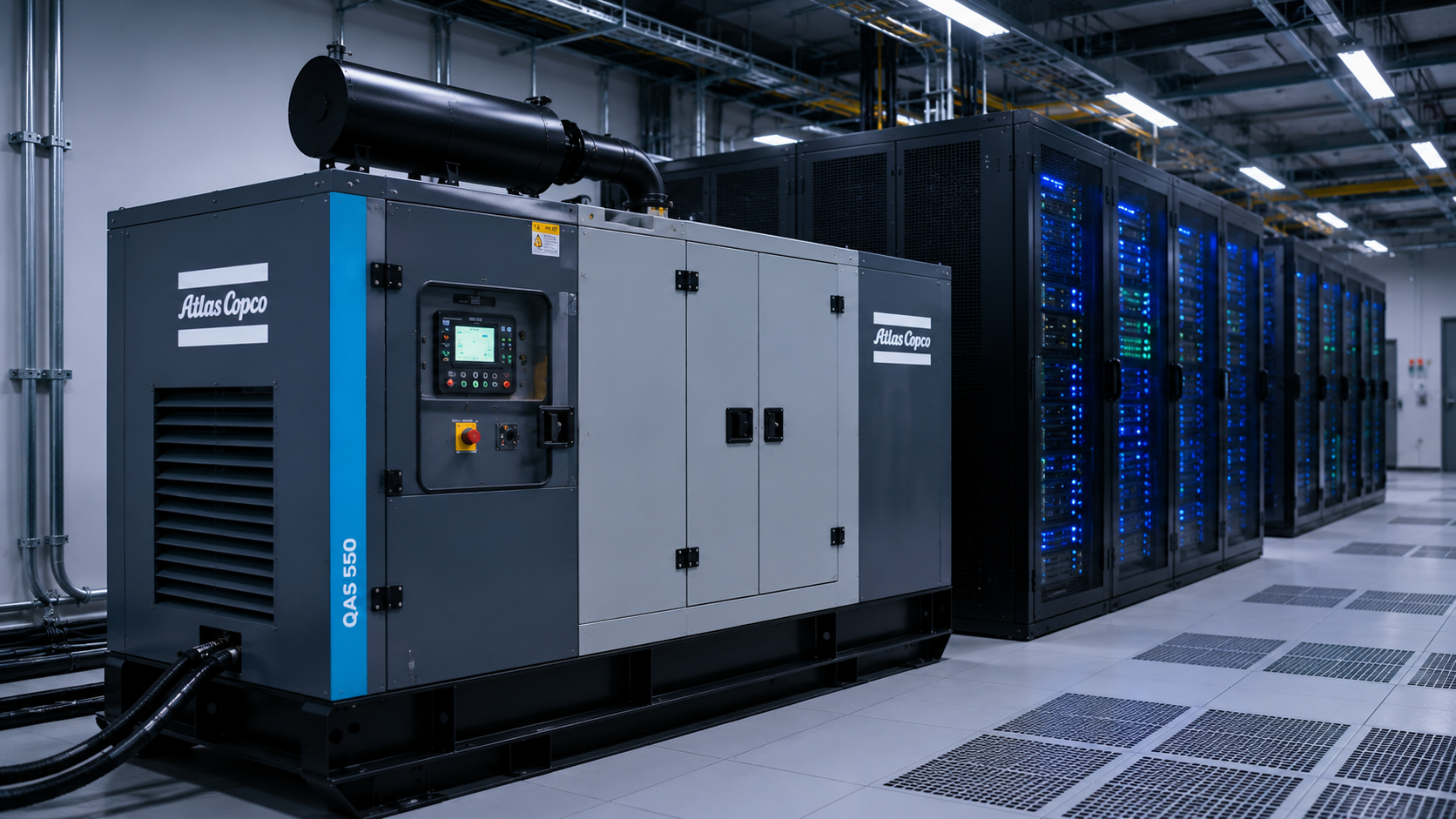
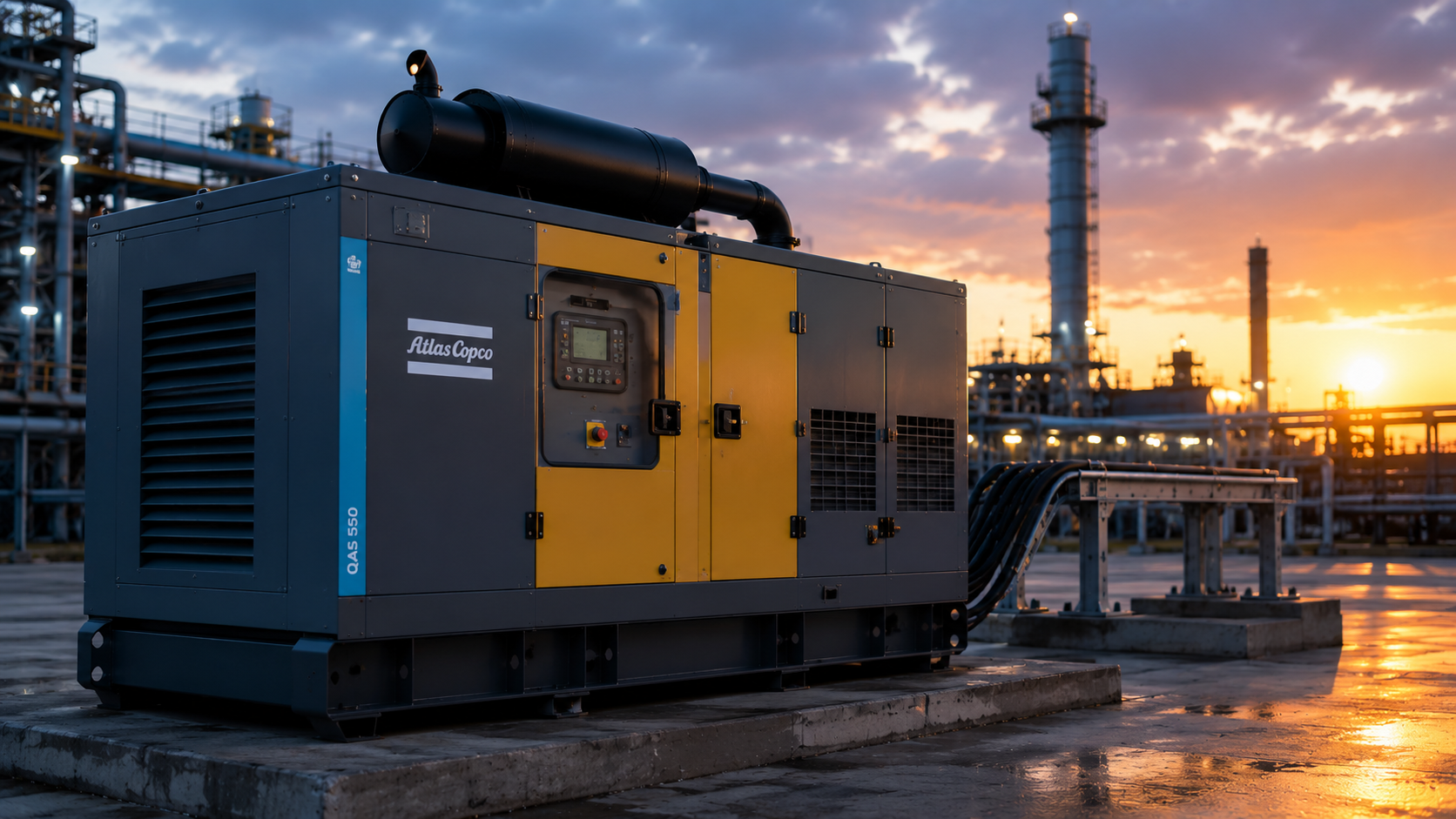
That is why modern enterprises do not just buy compressors, but also develop a backup compressor strategy . A properly planned backup system ensures uninterrupted production and minimizes unexpected risks.
Why is a backup compressor plan important?
Since compressor systems operate continuously for long periods of time, like any equipment, they require maintenance or sometimes unexpected repairs.
If only one compressor is operating in the facility, the following risks arise:
- Complete stoppage of the production process
- Product and order delays
- Labor force idleness
- Decrease in customer trust
- Increased emergency service and repair costs
A backup compressor plan is developed to prevent these risks.
How should a backup compressor plan be prepared?
1. Accurately analyze current air consumption
The first step is to determine the actual compressed air demand of the enterprise.
Key indicators to be assessed:
- Maximum air flow (m³/min)
- Working pressure (bar)
- Peak hours
- Daily work schedule
- Future production growth
This information is the basis for the correct selection of the backup compressor capacity.
2. Identify critical equipment
Not all production lines may be equally important.
Determine:
- What equipment cannot operate without compressed air?
- Which line's downtime causes greater financial loss?
- Which processes run 24/7?
Thus, the backup system can be designed to support priority areas.
3. Choose the right backup power
One of the most widely used approaches is the N+1 principle .
According to this model:
- A compressor is running.
- The second compressor is kept ready in backup mode.
In larger production facilities, several main compressors and an additional backup compressor are used.
This approach prevents production downtime during maintenance.
4. Set up an automatic switching system
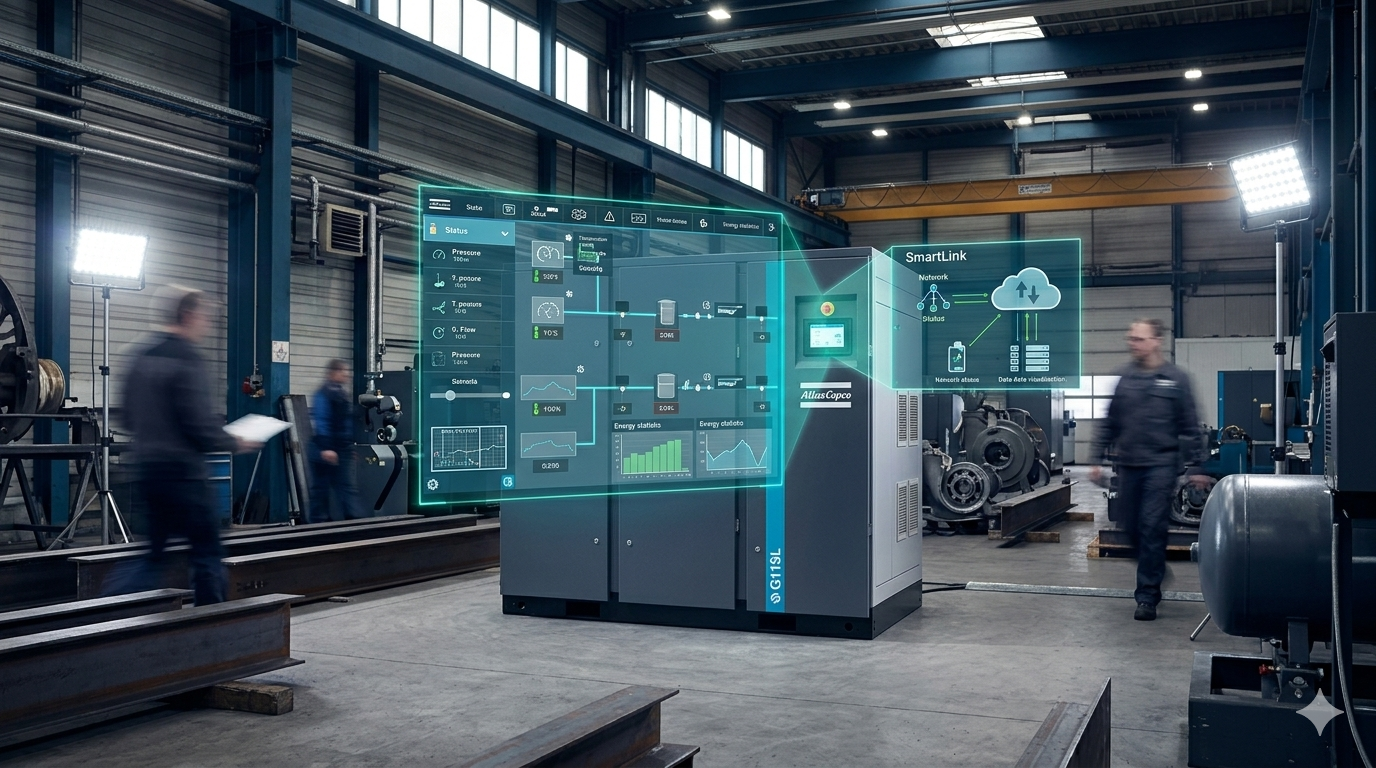
Modern compressor control systems can automatically start a backup compressor in the event of a failure.
This capability provides the following advantages:
- The need for human intervention is reduced.
- Downtime is reduced to a minimum
- Pressure is kept constant
- The production process continues uninterrupted.
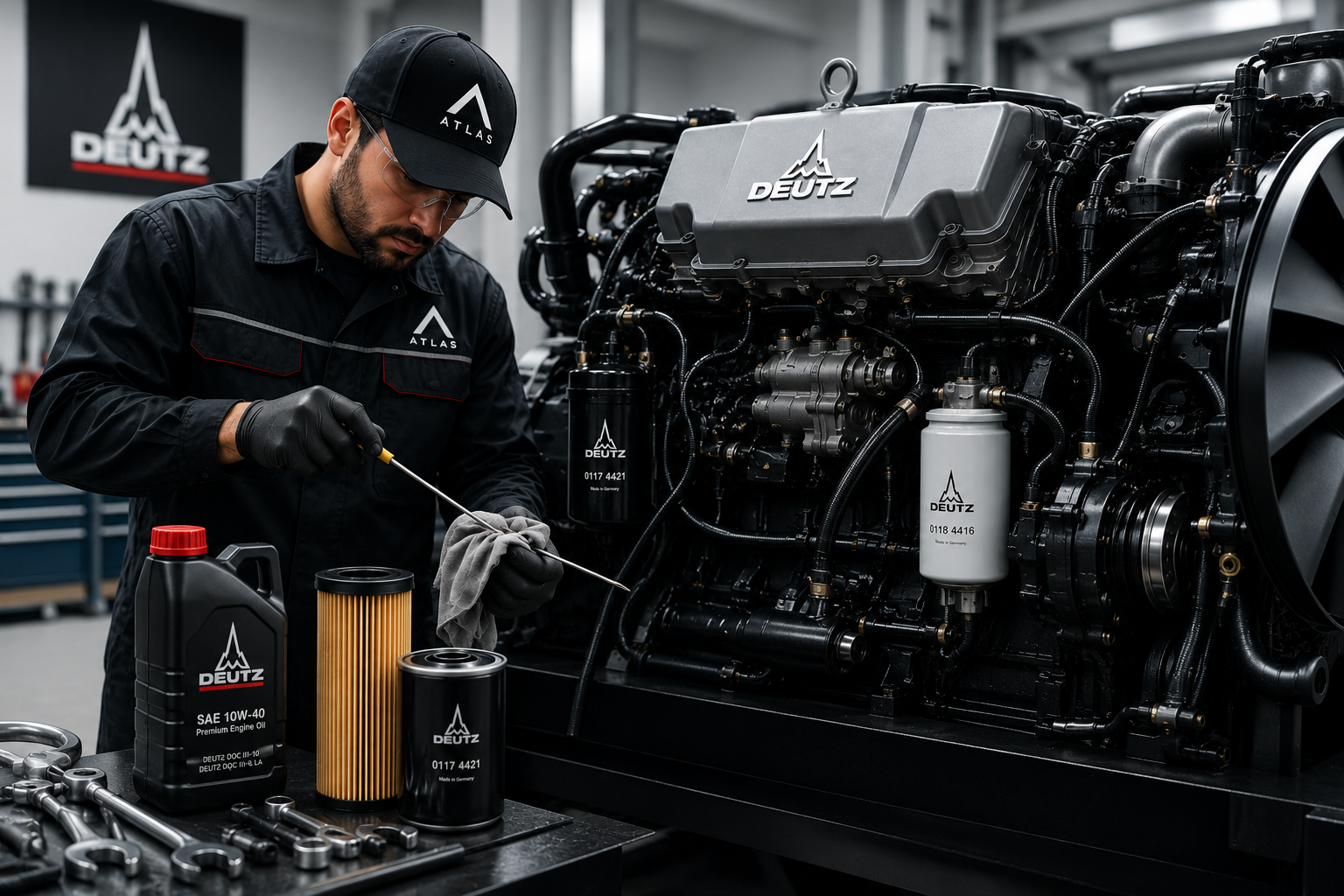
5. Prepare a preventive maintenance plan
Just because a backup compressor has not been used for a long time does not mean it is always operational.
Regularly:
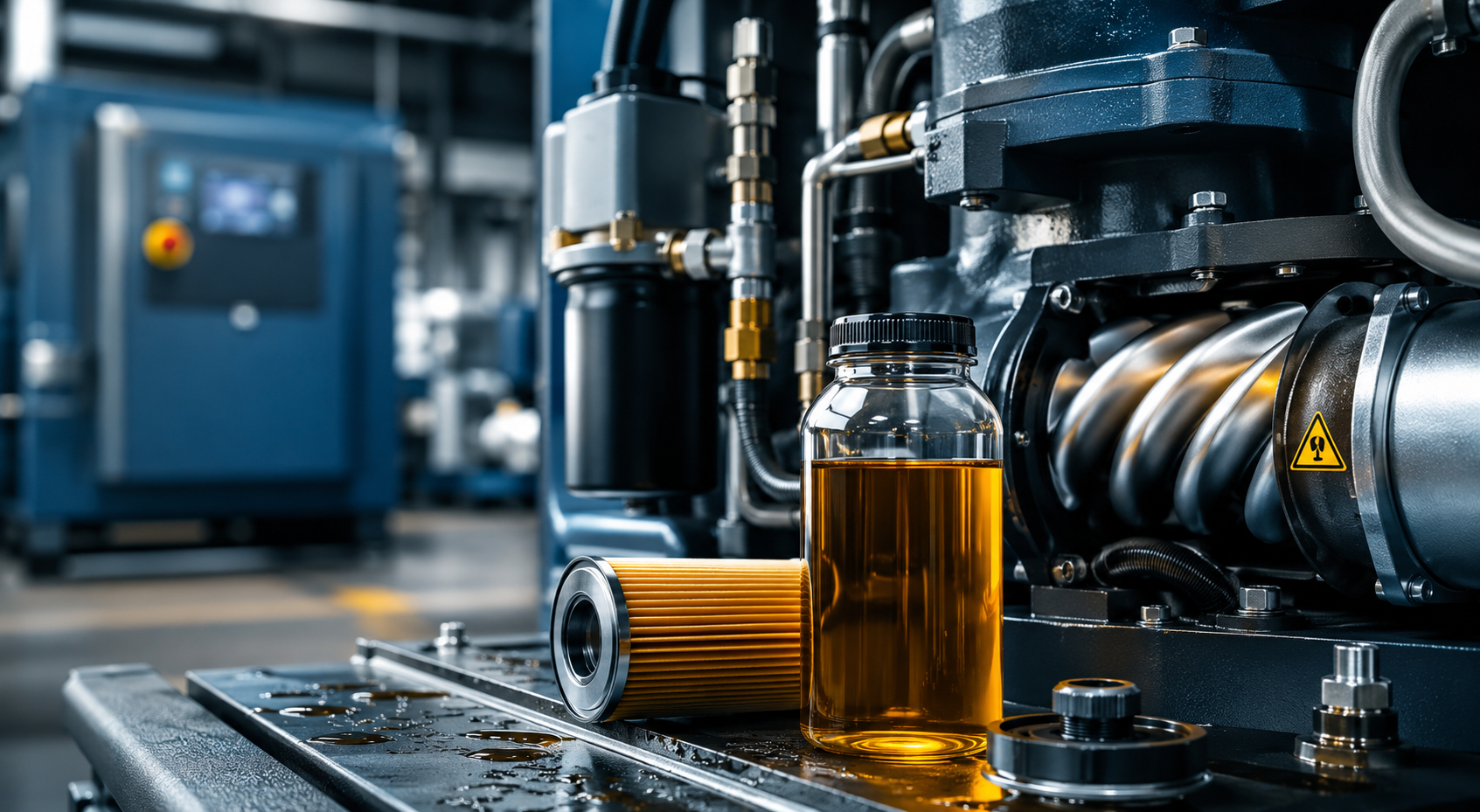
- The oil level should be checked.
- Filters must be monitored.
- Test runs should be performed.
- Air leaks should be checked.
- The electrical and control system must be tested.
Preventive maintenance ensures that the backup system is ready for use at any time.
6. Ensure availability of spare parts
Sometimes the problem lies not in the compressor itself, but in the lack of a small spare part.
It is recommended that the facility maintain a stock of critical parts:
- Oil filters
- Air filters
- Separator elements
- Belts
- Sensors
- Valves
This approach significantly reduces repair time.
Should I buy or rent a spare compressor?
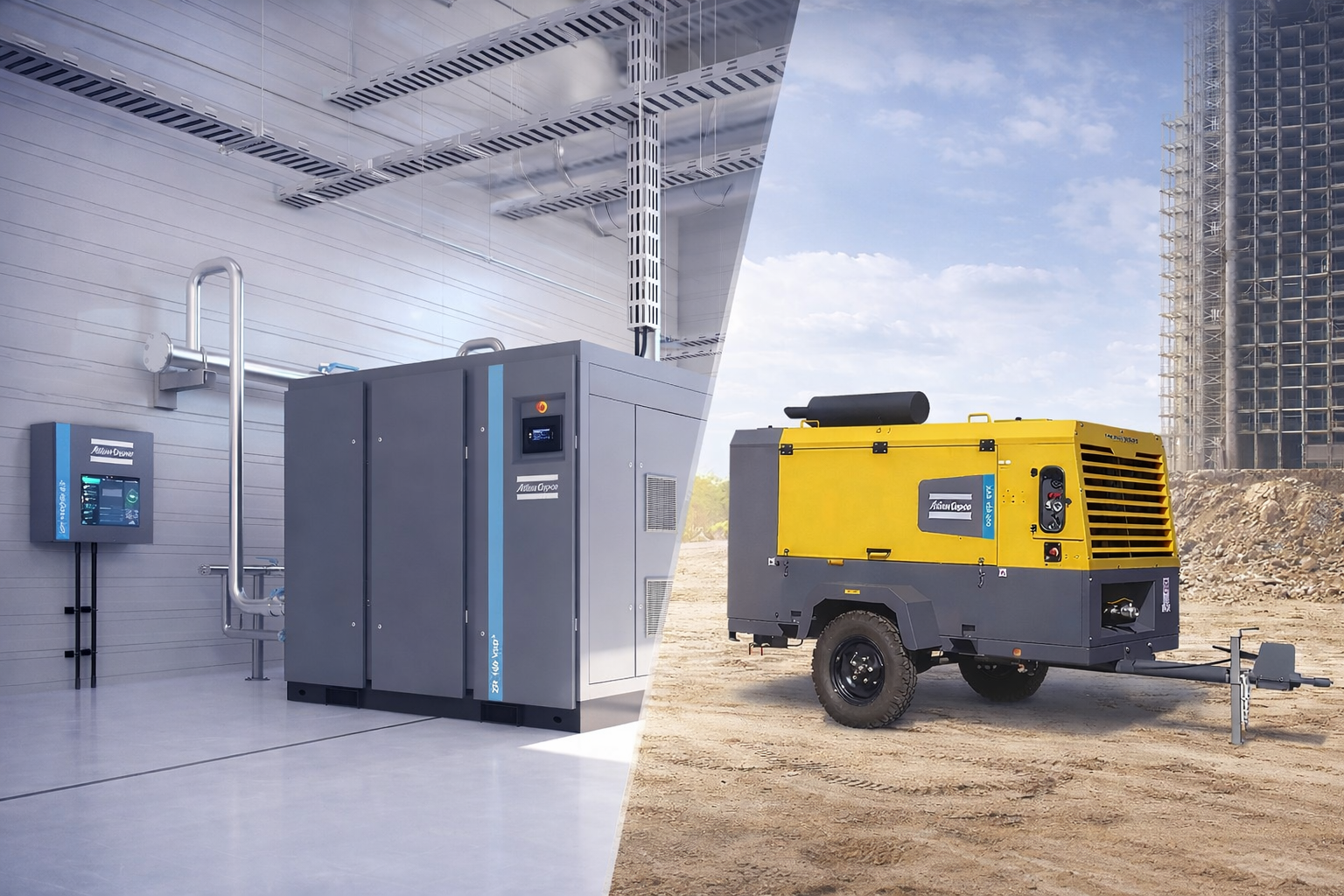
For some businesses, purchasing a permanent backup compressor may not be economically viable.
In such cases, compressor rental offers the following advantages:
- Does not require a large initial investment
- Provides prompt solutions to sudden problems
- Provides additional strength in seasonal production growth
- Prevents production downtime during planned maintenance
This model is especially suitable for project-based and seasonal businesses.
How does Atlas support businesses?
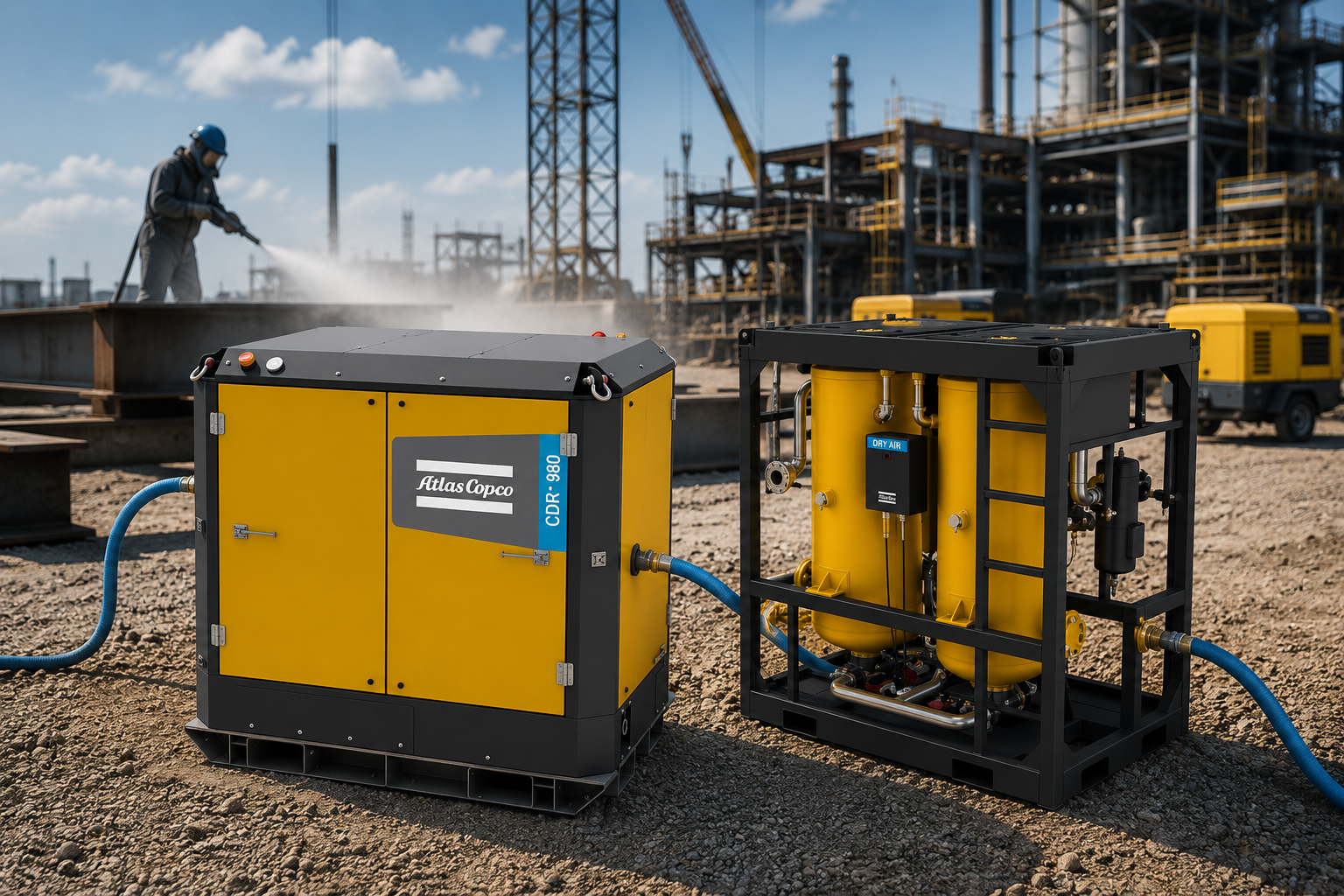
Atlas does not stop at just selling compressors to keep enterprises' production processes uninterrupted.
The company provides the following services to its clients:
- Analysis of the enterprise's air demand
- Choosing the right compressor
- Designing backup compressor solutions
- Preventive maintenance programs
- Original spare parts
- Professional service support
- Compressor rental services
This approach helps enterprises minimize production downtime and increase the service life of equipment.
Conclusion
A backup compressor plan is not just additional equipment designed for emergencies. It is a strategic approach that protects the production continuity, financial stability, and operational reliability of an enterprise.
A properly selected backup compressor, an automatic control system, scheduled maintenance, and timely service together help protect the enterprise from unexpected downtime.
In modern industry, where every minute of production matters, a backup compressor plan is no longer an option, but a necessity.