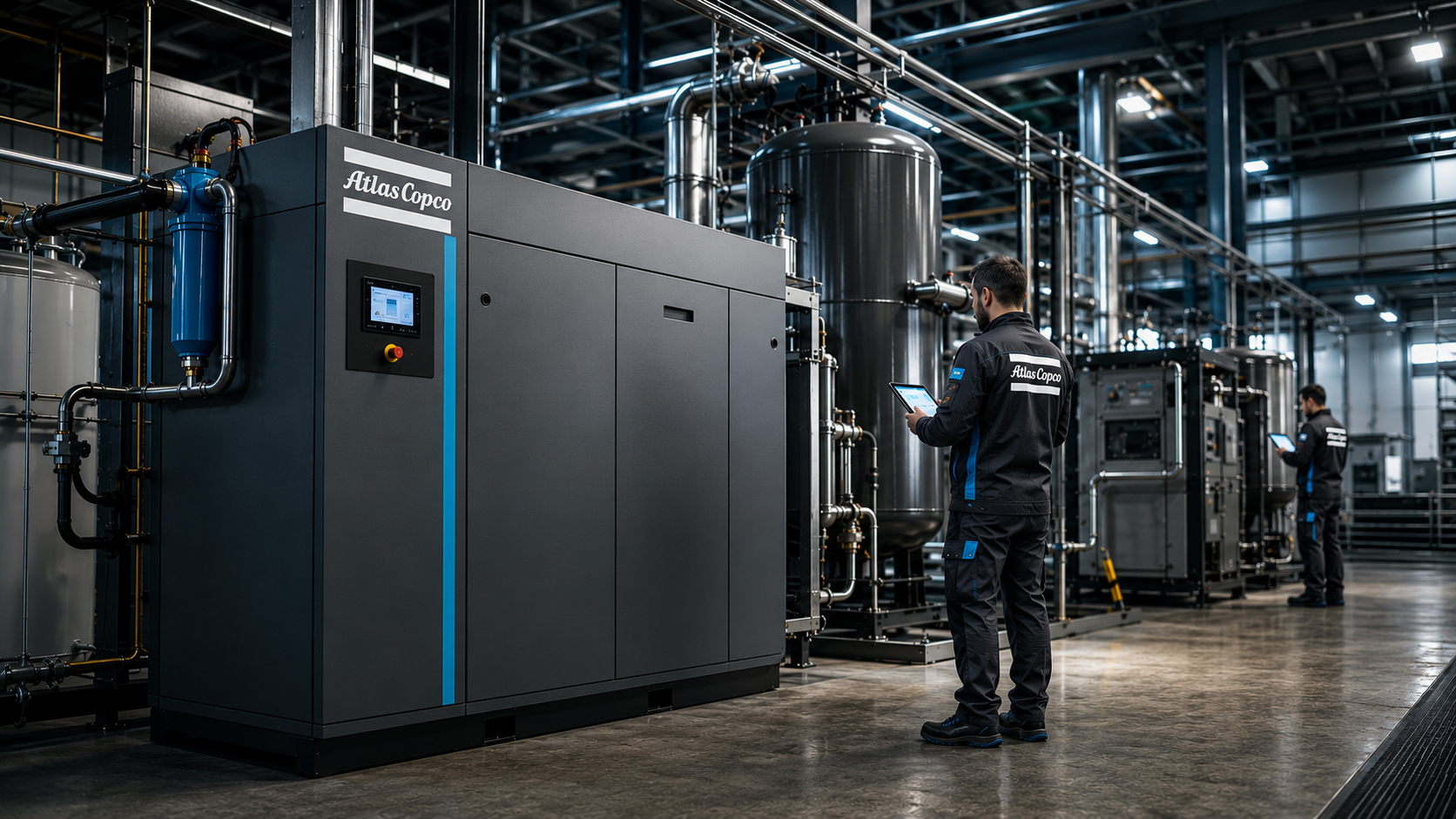

Which Compressor System is Best for 24/7 Industrial Operations?
In modern industrial facilities, compressed air is no longer just a supporting utility — for many production lines, it is one of the primary energy sources. Especially in factories and industrial environments operating 24/7, choosing the right compressor system directly affects production continuity, energy consumption, and the overall service life of the equipment.
A poorly selected compressor system can lead to frequent downtime, high electricity costs, pressure fluctuations, and increased maintenance requirements. Therefore, for facilities operating continuously, compressor selection should consider not only air capacity, but also system durability, energy optimization, and the ability to adapt to varying loads.
What are the main requirements for 24/7 operating facilities?
In continuous production environments, a compressor system should provide:
- Stable and continuous air pressure
- Minimal downtime risk
- Low energy consumption
- Long-term operational durability
- High productivity
- Easy servicing and maintenance
- Reliable performance during peak demand
In many facilities, compressor failure can mean the shutdown of the entire production line. This results in both financial losses and production delays.
Are piston compressors suitable for 24/7 operation?
Although piston compressors are effective in certain applications, they are generally not considered the ideal choice for continuous and uninterrupted operation.
These compressors are more suitable for:
- Small workshops
- Facilities with low air demand
- Periodic usage scenarios
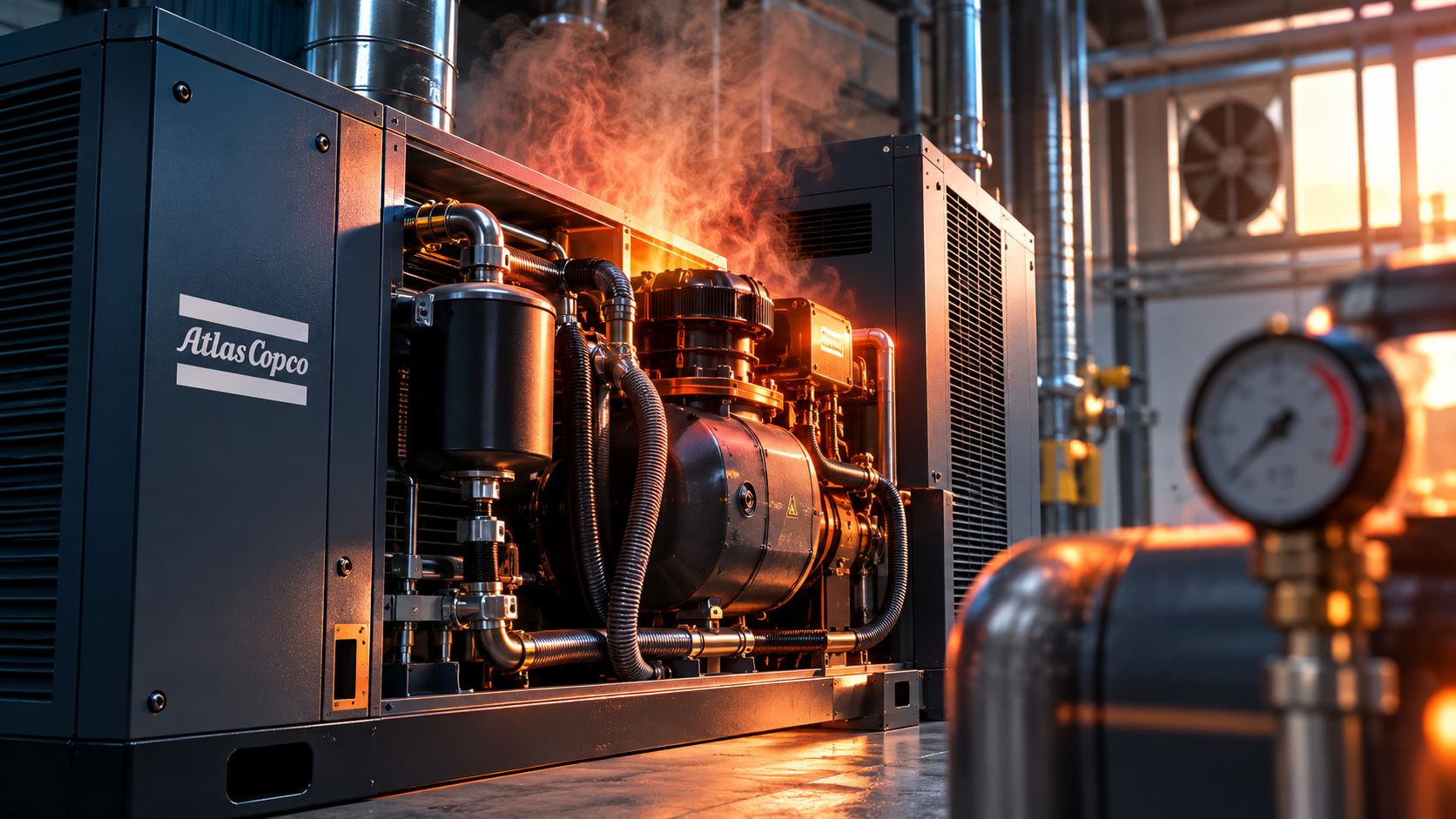
Under 24/7 operating conditions, piston compressors may experience:
- Excessive overheating
- Frequent shutdown requirements
- Higher vibration levels
- Increased noise
- Greater mechanical wear
As a result, both energy efficiency decreases and maintenance intervals become shorter.
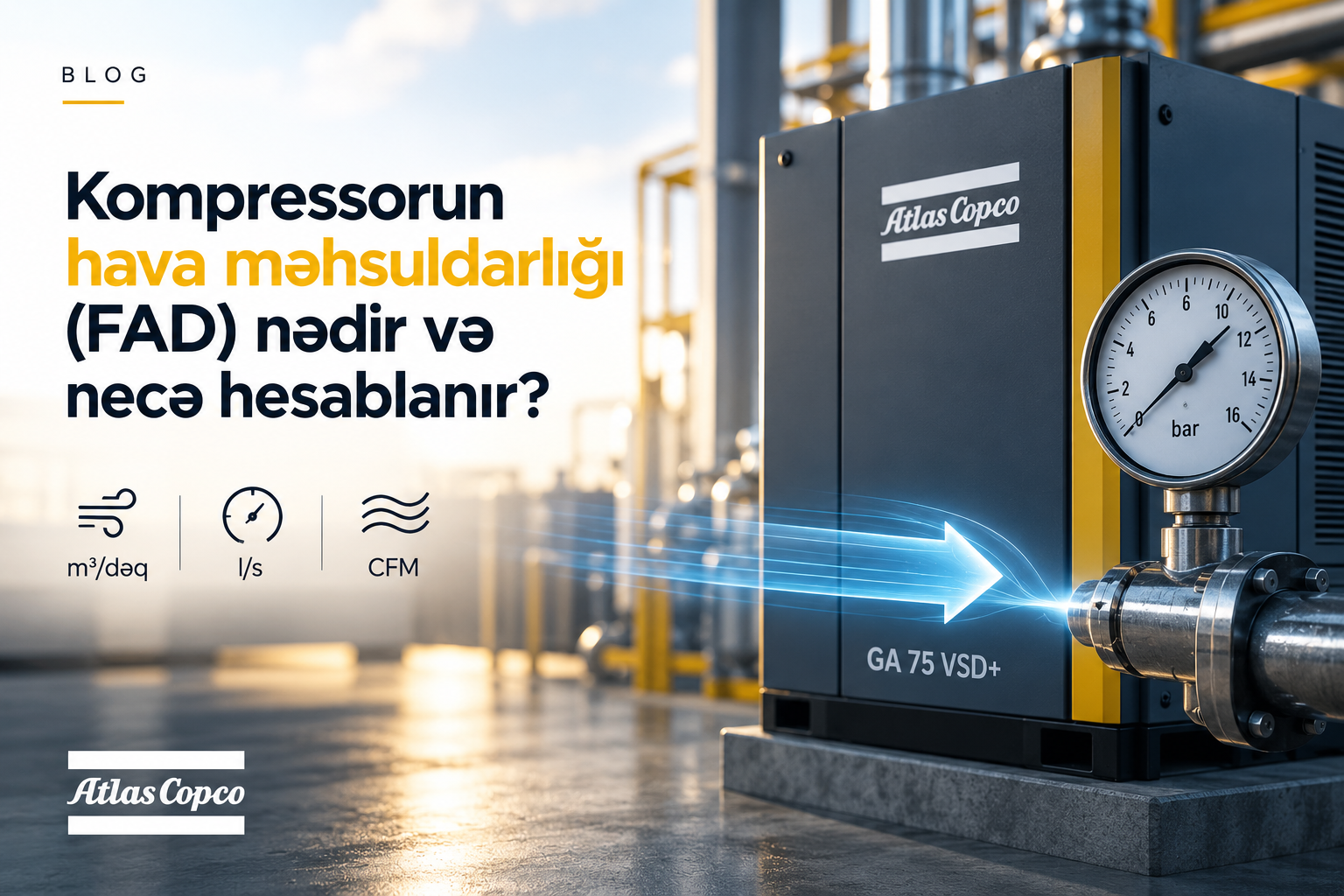
The best solution for continuous operation: Screw compressors
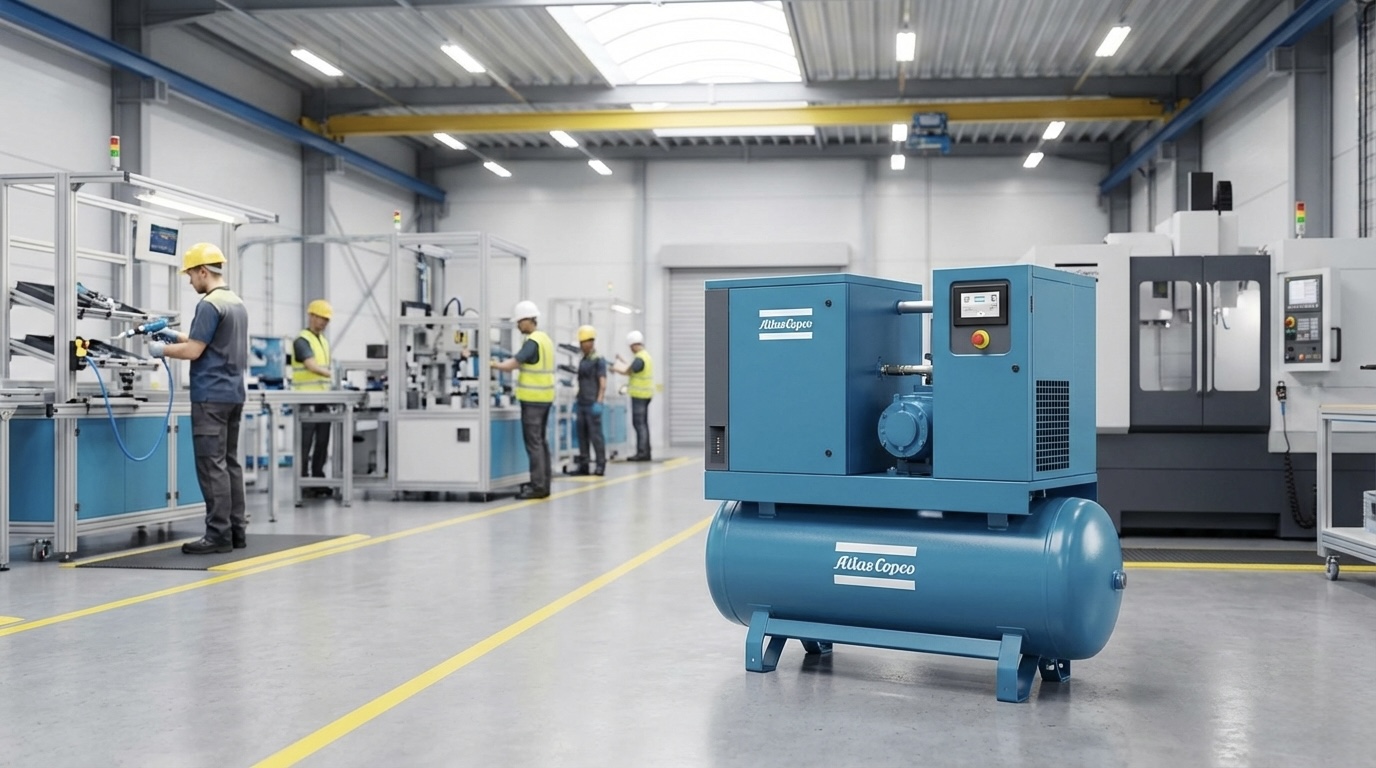
For facilities operating continuously, screw compressor systems are generally considered the most optimal solution.
These compressors are specifically designed for long-term and stable operation and are widely used in industrial applications with high air demand.
Main advantages of screw compressors:
1. Continuous operation capability
Screw compressors can operate for long hours without interruption. Since the airflow inside the system is more stable, the motor and internal components experience less stress.
This means:
- Reduced heat buildup
- Lower wear levels
- Longer service life
2. Energy efficiency
One of the biggest operational costs in 24/7 facilities is electricity consumption.
Standard fixed-speed compressors may continue operating at full power even when air demand decreases. This leads to unnecessary energy waste.
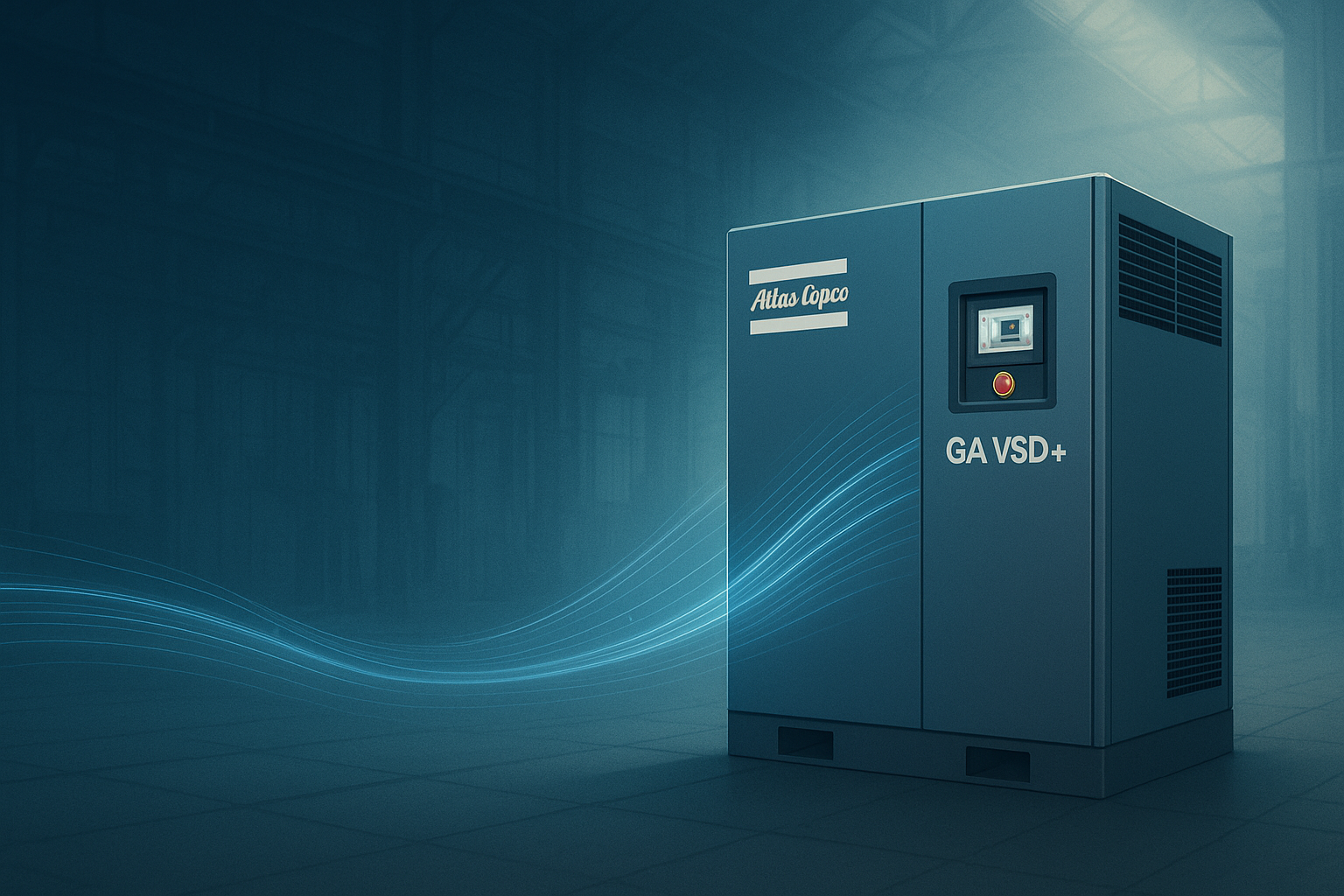
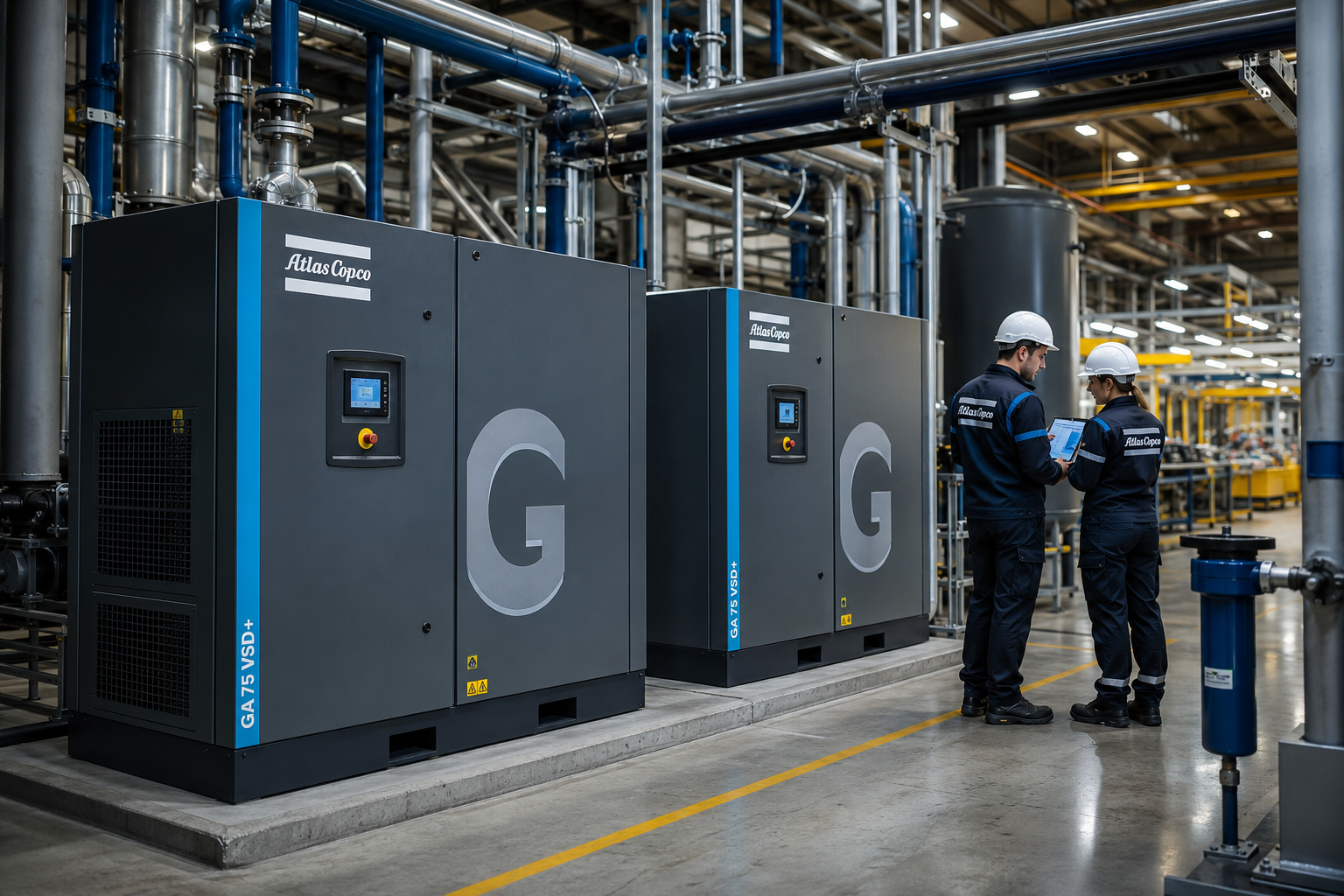
For this reason, VSD (Variable Speed Drive) compressors are considered a more efficient solution.
These systems:
- Automatically adjust speed according to air demand
- Reduce unnecessary energy consumption
- Maintain stable pressure
- Perform more efficiently during peak loads
Especially in large factories and industrial plants, VSD technology can provide significant long-term energy savings.
Which industries require oil-free compressors?
In some industries, compressed air quality is critically important.
For example:
- Food industry
- Pharmaceutical production
- Electronics manufacturing
- Medical equipment production
- Chemical industry
In such sectors, even the smallest oil particle in compressed air can affect product quality.
In these cases, oil-free compressor systems compliant with ISO 8573-1 Class 0 standards are used.
This technology:
- Increases product safety
- Reduces production risks
- Minimizes filtration load
- Helps maintain quality standards
A compressor alone is not enough for an efficient system
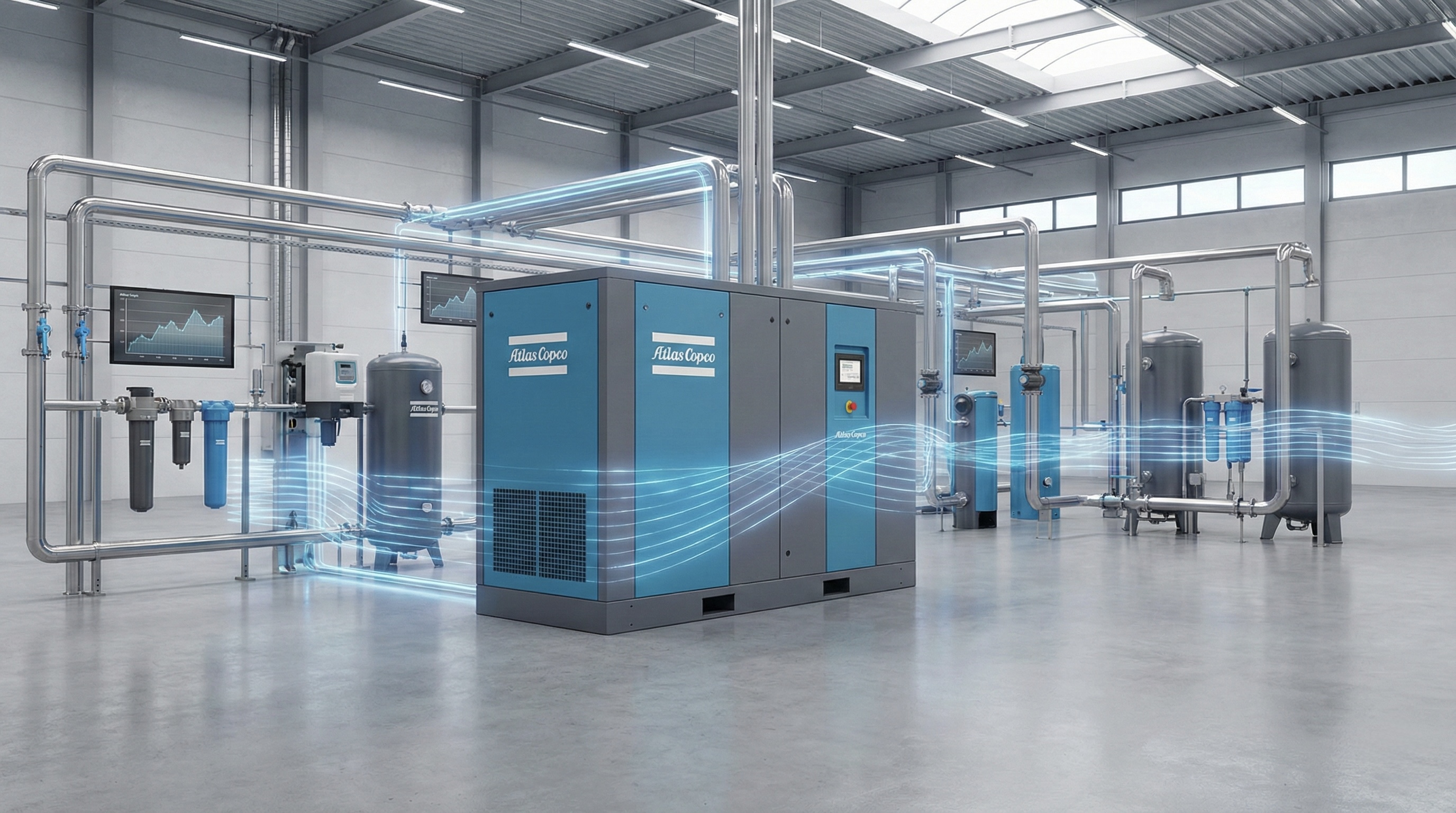
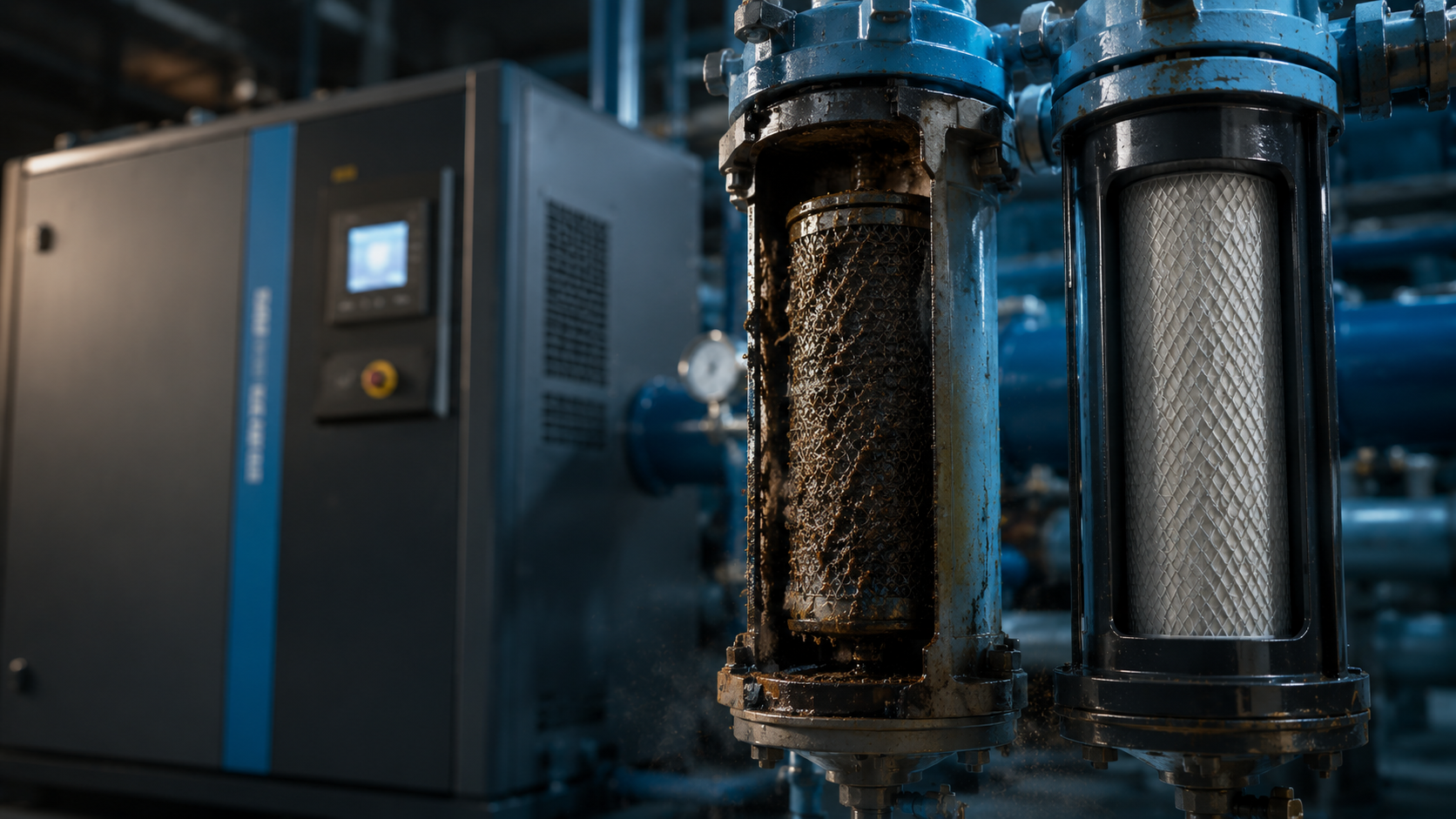
Many facilities focus only on the main compressor. However, an efficient compressed air system consists of several critical components:
- Air dryers
- Filtration systems
- Air receivers
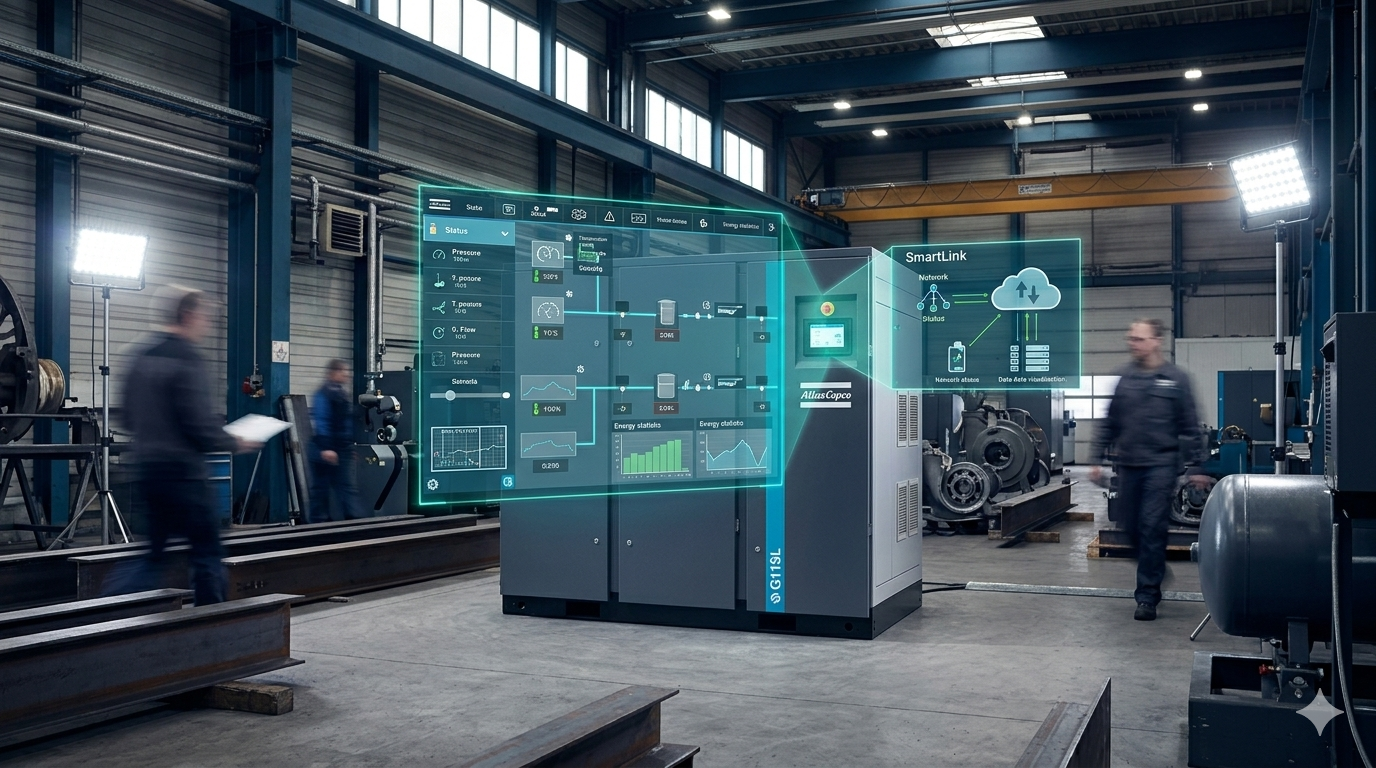
- Energy monitoring systems
- Smart control solutions
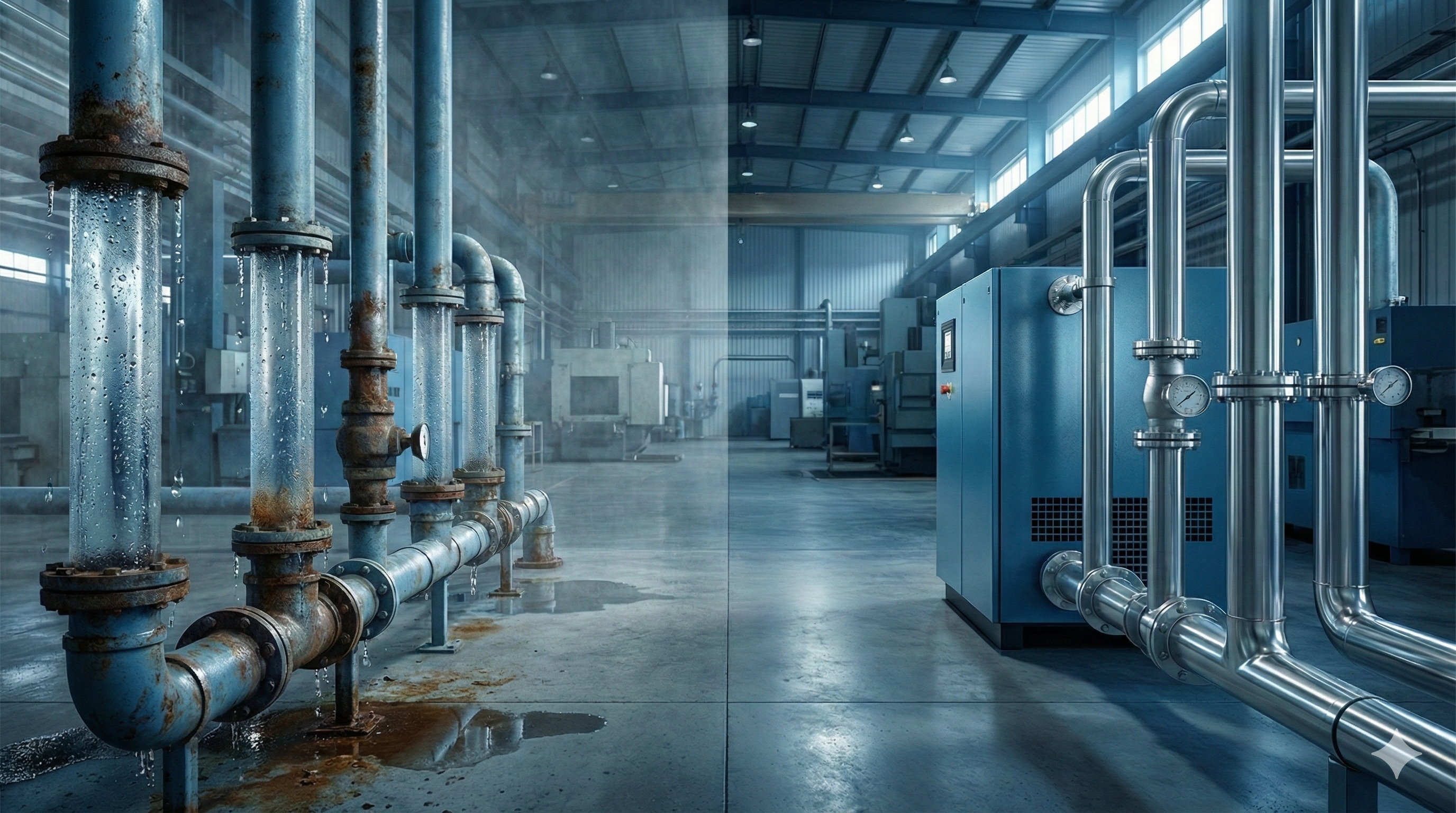
- High-quality piping systems
If the system is not properly designed:
- Pressure losses increase
- Energy consumption rises
- Air quality decreases
- Equipment damage may occur
For this reason, a complete system approach is much more important for facilities operating 24/7.
What factors should be considered when selecting a compressor?
The following questions should always be analyzed during compressor selection:
What is the facility’s daily air demand?
Incorrect air capacity calculations can lead to both energy losses and performance problems.
How many hours will the system operate?
The technology required for short-term use is not the same as for 24/7 operation.
Is future expansion planned?
A system selected without considering future production growth may create additional costs later.
How important is air quality?
Oil-free systems are a priority in food and medical industries.
Is energy optimization required?
With rising energy costs, VSD technology provides major advantages.
Conclusion
Choosing a compressor system for 24/7 industrial facilities is not only a technical decision but also a long-term investment.
A properly selected screw compressor and energy-efficient system:
- Increases production continuity
- Reduces electricity costs
- Minimizes downtime risks
- Extends equipment service life
- Optimizes overall operational expenses
Especially VSD-equipped and properly engineered compressed air systems are considered one of the most effective solutions for modern industrial facilities.
If you want to choose the right compressor system for your facility, it is essential to conduct a professional analysis based on air demand, operating conditions, and energy requirements.