
7 main reasons why the compressor overheats
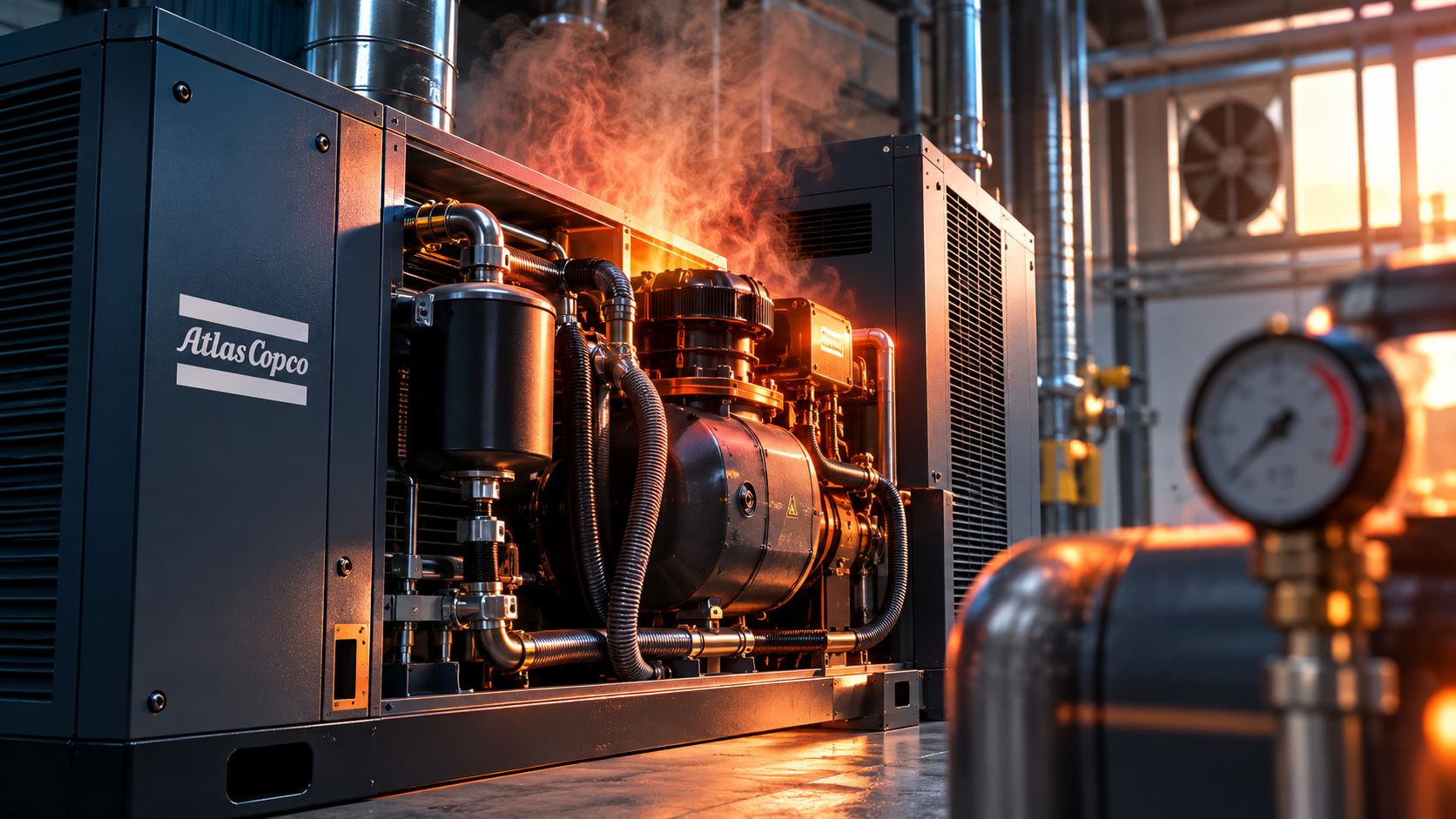
In industrial plants, the stable and uninterrupted operation of compressors is of great importance for the continuity of the production process. It is normal for a compressor to reach a certain temperature level during operation. However, an increase in temperature beyond the norm can lead to reduced equipment productivity, unexpected shutdowns and, in some cases, premature failure of components.
To prevent the compressor from overheating, it is important to identify the root cause of the problem in time. So why is the compressor overheating? Let's take a look at the 7 most common reasons.
1. Improper ventilation
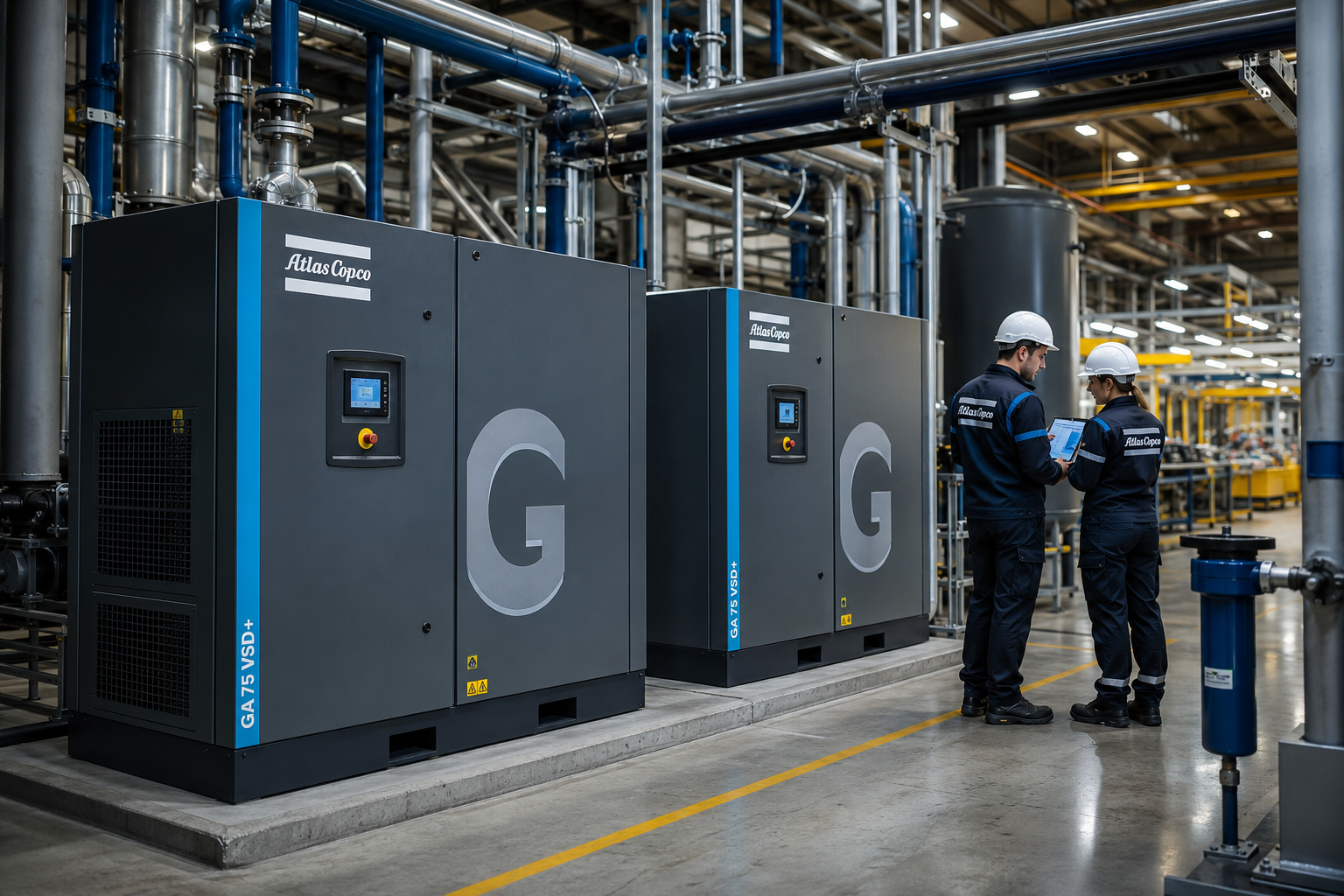
The compressor generates a significant amount of heat when it is operating. This heat must be properly removed from the compressor room.
If the air circulation in the room is poor or if warm air is re-entering the compressor's air inlet, it becomes difficult to cool the equipment. As a result, the compressor's operating temperature may gradually increase.
Therefore, a proper ventilation system must be installed in the compressor room, ensuring the removal of hot air and the entry of cool air.
2. Refrigerator contamination
The oil and air coolers located in the compressor's cooling system can become covered with dust, dirt, and other contaminants over time.
Contamination on the surface of the cooler impairs airflow and heat exchange. In this case, the system cannot remove the generated heat effectively enough and the compressor temperature rises.
Regularly inspecting refrigerators and cleaning them according to the manufacturer's recommendations helps prevent this problem.
3. Low oil level
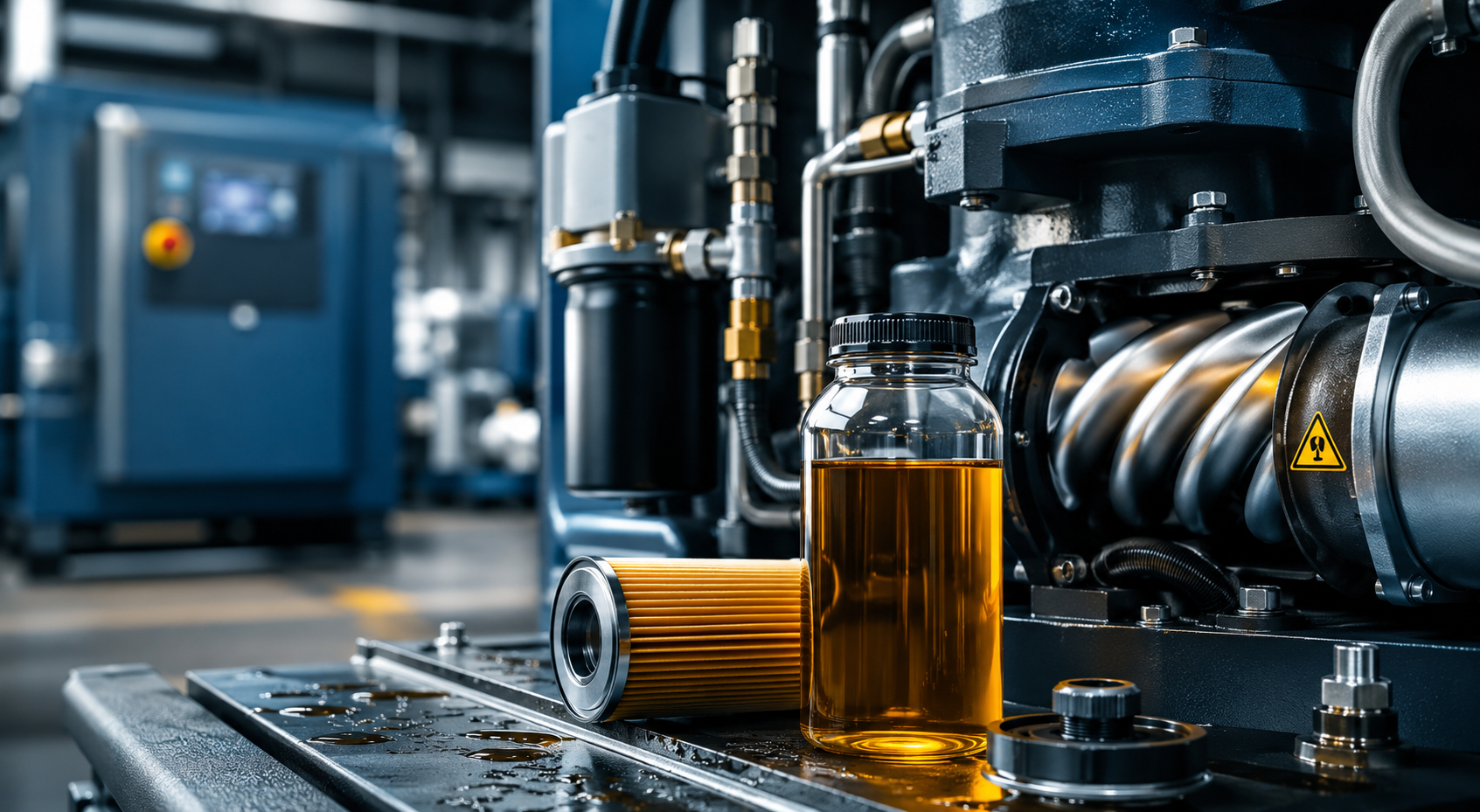
In oil-fired compressors, oil plays an important role not only in lubricating moving parts, but also in managing the heat generated in the system.
If the oil level is below normal, the system's lubrication and cooling capabilities may be impaired, which can lead to increased temperatures and accelerated wear of components.
For this reason, the oil level should be checked periodically and if any oil loss is observed, the cause should be determined.
4. Outdated or unsuitable compressor oil
The properties of compressor oil change over time. Oil that has been used for a long time may gradually lose its original lubricating and heat transfer properties.
At the same time, using oil that does not meet the compressor manufacturer's requirements can negatively affect the operation of the equipment.
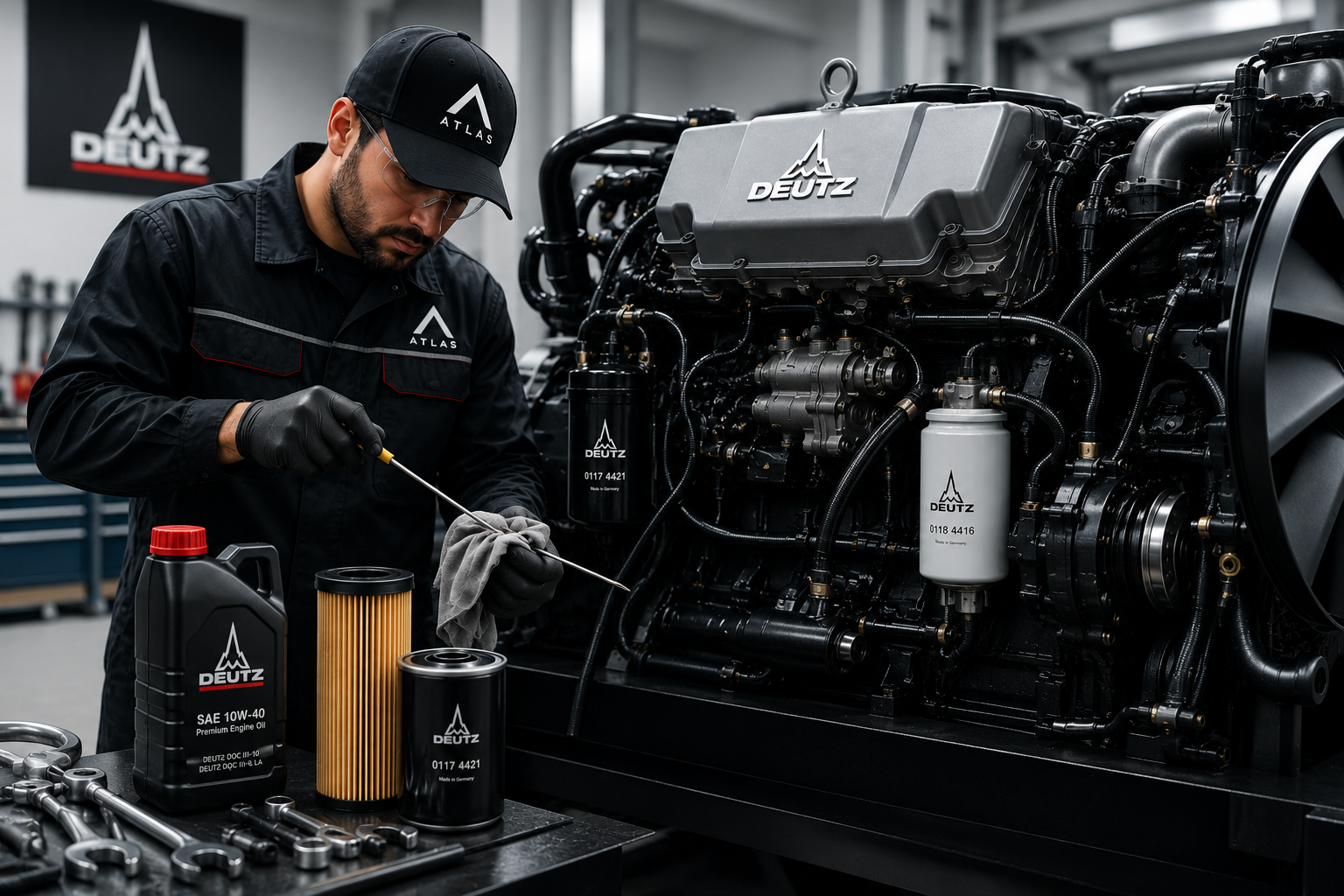
Therefore, oil changes should be performed according to the specified service intervals and the appropriate oil intended for the compressor should be used.
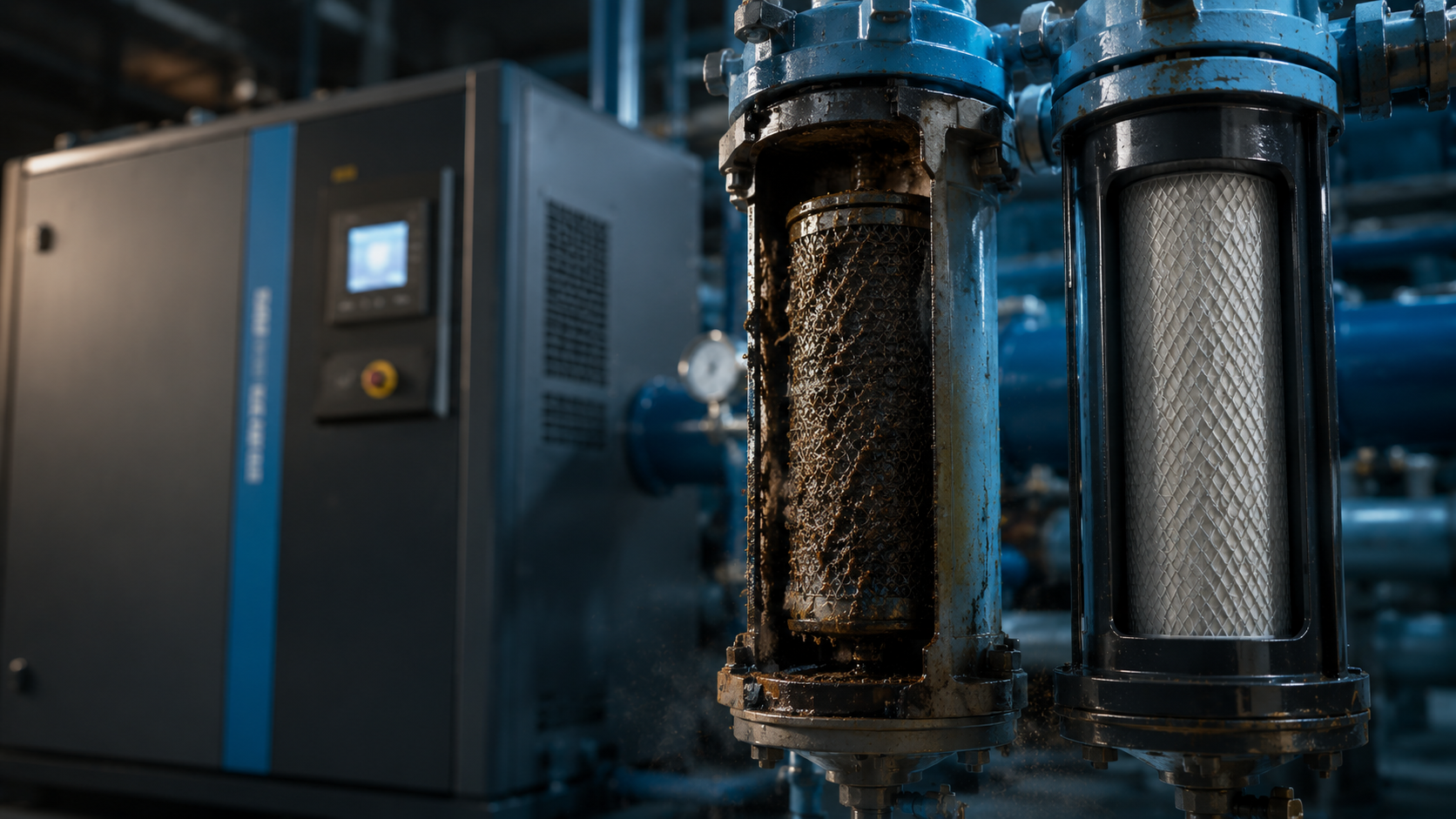
5. Contamination of air and oil filters
Filters are an important component of a compressor system. Excessive contamination of the air filter can cause the compressor to work harder to provide the required airflow.
Clogs in the oil filter can negatively affect oil circulation and reduce the system's lubrication and cooling efficiency.
Regularly checking the condition of filters and replacing them on time helps both control temperature and ensure stable compressor operation.
6. High ambient temperature
The temperature of the environment in which the compressor is located directly affects the efficiency of its cooling system.
Especially in the summer months and in poorly ventilated indoor spaces, when temperatures rise, the compressor has to use excess hot air for cooling. This can make it difficult for the equipment to maintain normal operating temperature.
The temperature and ventilation of the compressor room must be maintained in accordance with the operating conditions specified by the equipment manufacturer.
How to prevent the compressor from overheating?
One of the most effective ways to prevent a compressor from operating at high temperatures is through preventive maintenance.
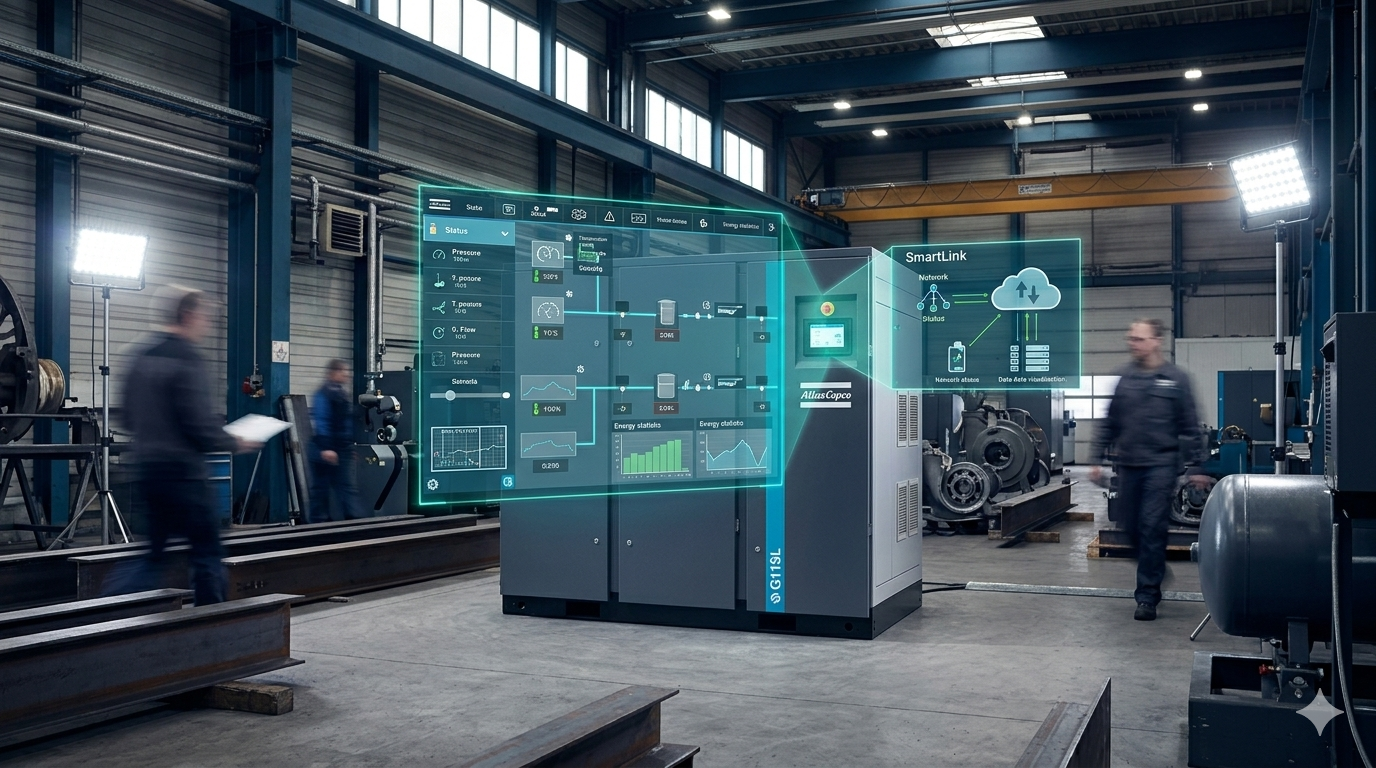
Checking the condition of the compressor's air and oil filters, changing the oil on time, keeping coolers clean, ensuring the ventilation system is functioning properly, and regularly monitoring the equipment's key operating parameters help reduce the risk of unexpected failures.
At the same time, when a high temperature warning or automatic stop occurs in the compressor, it is recommended to determine the cause of the problem instead of restarting the equipment repeatedly.
Timely maintenance can prevent larger failures
Compressor overheating should not be viewed as a mere temperature problem. High temperatures can be an indicator of problems with a variety of components, from the lubrication system to ventilation, filters to the cooling system.
Proper diagnostics and timely maintenance help ensure reliable compressor operation, maintain energy efficiency, and extend the life of the equipment.
If you are experiencing problems with your compressor, such as high temperatures, reduced efficiency, or frequent shutdowns, Atlas' professional service team can support you with equipment diagnostics and maintenance.
Atlas – industrial equipment and professional service solutions.