
What should we pay attention to when choosing an excavator?
An excavator is one of the main heavy equipment used in construction, road infrastructure, quarrying, mining, and various earthmoving operations. However, choosing the right excavator is not limited to looking at the size of the equipment or engine power.
Choosing the wrong equipment for the project can lead to increased fuel consumption, reduced productivity, additional service costs, and longer than planned completion times. Therefore, when purchasing an excavator or selecting a model for a project, a number of important indicators should be evaluated together.
1. Determine the type of work to be done
First of all, it must be determined for what purposes the excavator will be used.
Excavators can be used in various projects such as:
- earth excavation and site preparation;
- road and infrastructure projects;
- construction and demolition works;
- quarrying and mining operations;
- trench and canal digging;
- loading and transporting materials;
- heavy industrial projects.
For example, more compact equipment may be suitable for work carried out within cities and in confined areas. Quarrying and large-scale earthworks require excavators with high productivity and a larger operating weight.
2. Operating weight and excavator size
The operating weight of an excavator is one of the main indicators that determines its scope of use.
A larger excavator may offer higher digging and loading capabilities, but it is not cost-effective to choose a larger machine for every project. The machine's access to the work area, maneuverability, transportability, and site characteristics must also be considered.
The right size excavator both speeds up the work process and allows for more efficient use of the equipment's capabilities.
3. Engine power and efficiency
Engine power is an important indicator when choosing an excavator, but focusing only on high horsepower is not the right approach.
The main goal is to create an optimal balance between engine power, hydraulic system, and the work to be done.
While more powerful equipment is needed for heavy excavation and high-load applications, a model with a more efficient engine can help optimize overall operating costs for medium-sized projects.
4. Chalov volume and drilling indicators
Another important factor affecting the productivity of an excavator is the volume of the bucket.
The choice of a forklift should be made according to the characteristics of the work to be done and the material to be transported. In addition, the following technical parameters should be taken into account:
- maximum drilling depth;
- maximum drilling radius;
- unloading height;
- volume of the chalov;
- drilling force.
For example, if deep trenches are to be dug, the maximum digging depth becomes one of the main selection criteria.
5. Consider fuel consumption
One of the most important parts of the operating costs of heavy equipment is fuel consumption.
When an excavator is operating for long periods of time and in intensive mode, even small differences in fuel consumption can have a significant impact on the overall costs of the project.
Therefore, when choosing, it is important to evaluate not only engine power, but also how efficiently the engine and hydraulic system operate.
The goal is to achieve the most optimal fuel consumption possible without reducing the amount of work done.
6. Hydraulic system and additional equipment
Modern excavators are not only used with a standard bucket. Depending on the work to be done, various additional equipment can be attached to the equipment.
These may include hydraulic hammers, various sized chisels, and other special attachments.
If the excavator is planned to be used with various equipment in the future, the compliance of the equipment's hydraulic system with the flow and pressure indicators required for that equipment should be checked in advance.
This approach allows the same excavator to be used in more types of work.
7. Operator comfort and safety
The productivity of an excavator does not depend only on technical parameters. The operator's working conditions also directly affect the result.
A comfortable and ergonomic cabin helps reduce operator fatigue and control the equipment more precisely during long work shifts.
When choosing an excavator, the field of view from the cab, the location of controls, the comfort of the seat, the monitor and control systems, as well as safety features should be considered.
8. Availability of service and spare parts
An excavator is a long-term investment. Therefore, in addition to purchasing the equipment, the availability of after-sales service should also be a key part of the selection process.
Scheduled maintenance, timely troubleshooting, and availability of spare parts help minimize equipment downtime.
Especially on intensive projects, an excavator not operating for a long time can have a direct impact on the work schedule and the overall cost of the project.
Therefore, when choosing equipment, it is necessary to evaluate not only the reliability of the manufacturer, but also the availability of local service and technical support.
9. Don't just look at the purchase price
A lower initial price does not always mean a more affordable option.
When assessing the real cost of an excavator, its total cost of ownership must be taken into account. This includes the following:
- purchase price;
- fuel consumption;
- scheduled maintenance;
- spare parts;
- repair costs;
- equipment downtime;
- productivity;
- future residual value.
A model that seems more affordable at the initial stage may end up costing more in the long run due to higher fuel and service costs.
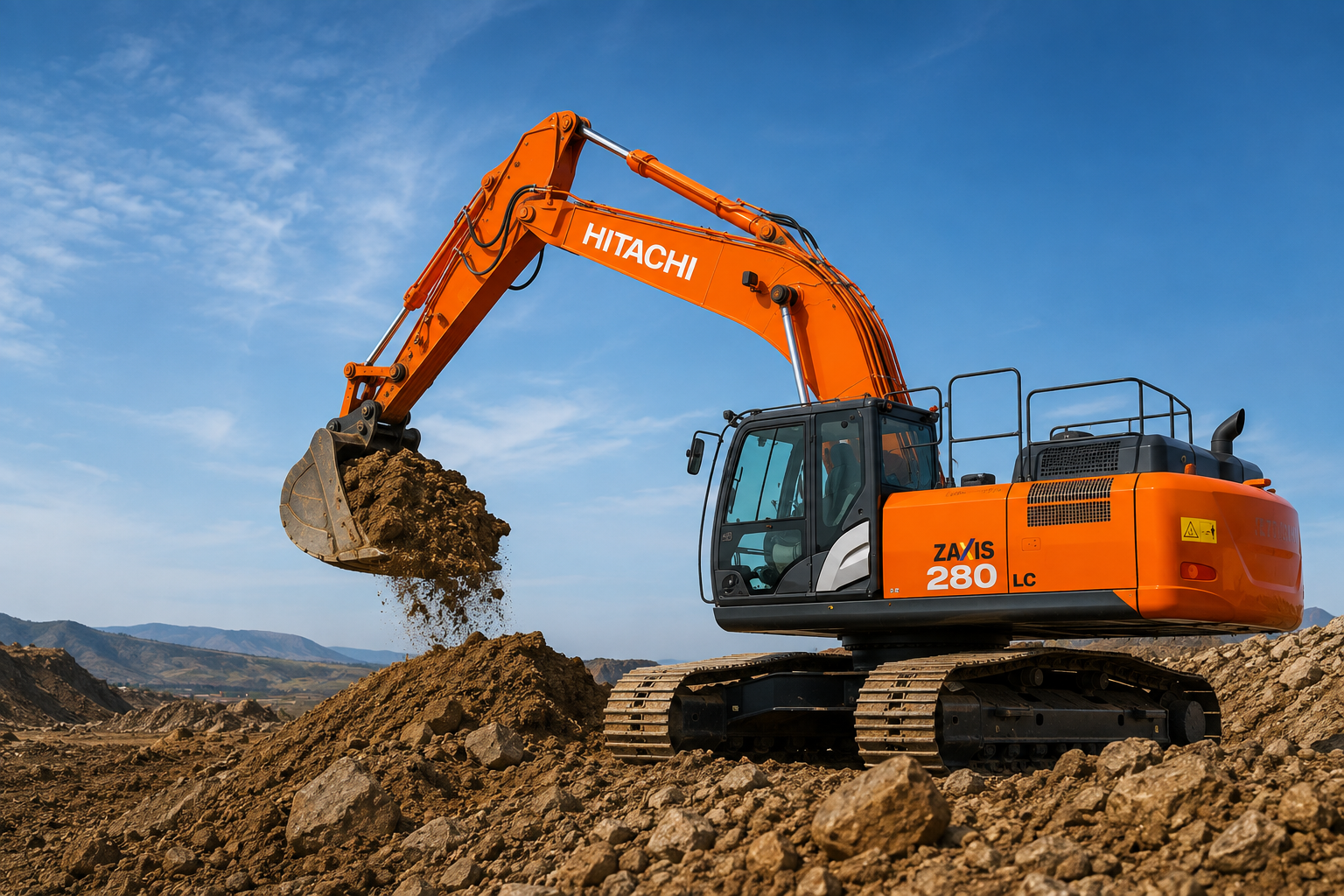
Hitachi excavators – a reliable choice for various projects
When choosing an excavator, the main goal is not to choose the largest or most powerful equipment, but to determine the model that best suits the requirements of a specific project.
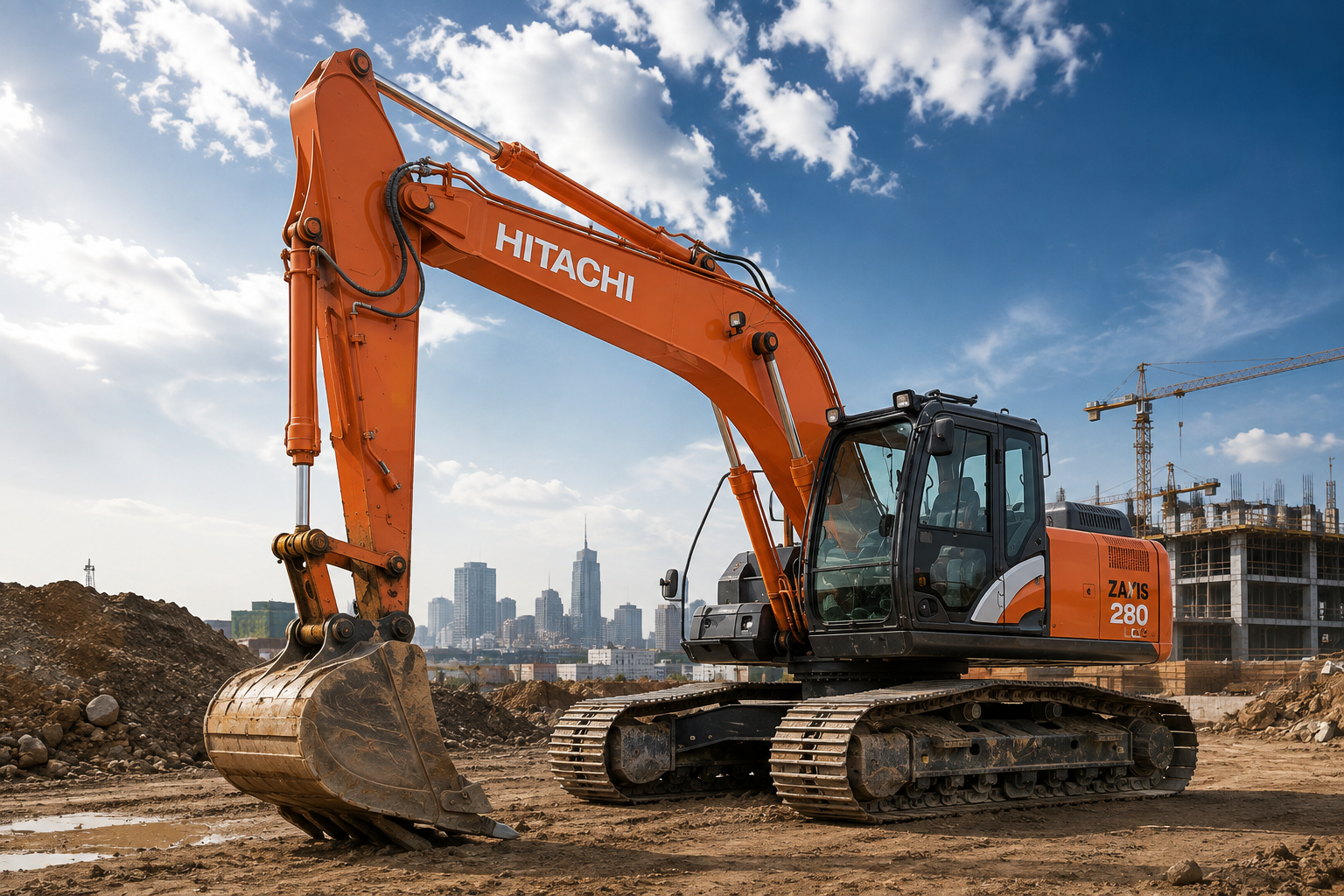
Hitachi excavators are distinguished by their model range, productivity, controllability, and long-term design, designed for various working conditions and project requirements.
Choosing the right model allows you to maximize the potential of the equipment, organize the work process more efficiently, and optimize operating costs.
Choose the right Hitachi model for your project with Atlas
As Atlas, the official distributor of Hitachi construction equipment, we do not just provide our customers with equipment. We provide professional support in selecting the appropriate Hitachi excavator, taking into account the working conditions of the project, the required productivity and technical parameters.
In addition to sales, service and spare parts support contribute to the long-term and reliable operation of the equipment.
If you want to determine which excavator is best suited for your project, you can contact Atlas experts.
Atlas Group – the official distributor of Hitachi construction equipment in Azerbaijan.
Contact: +994 51 232 55 55
Email: [email protected]
Address: 14, Salyan Highway, Sabail District, 4F, Baku, Azerbaijan