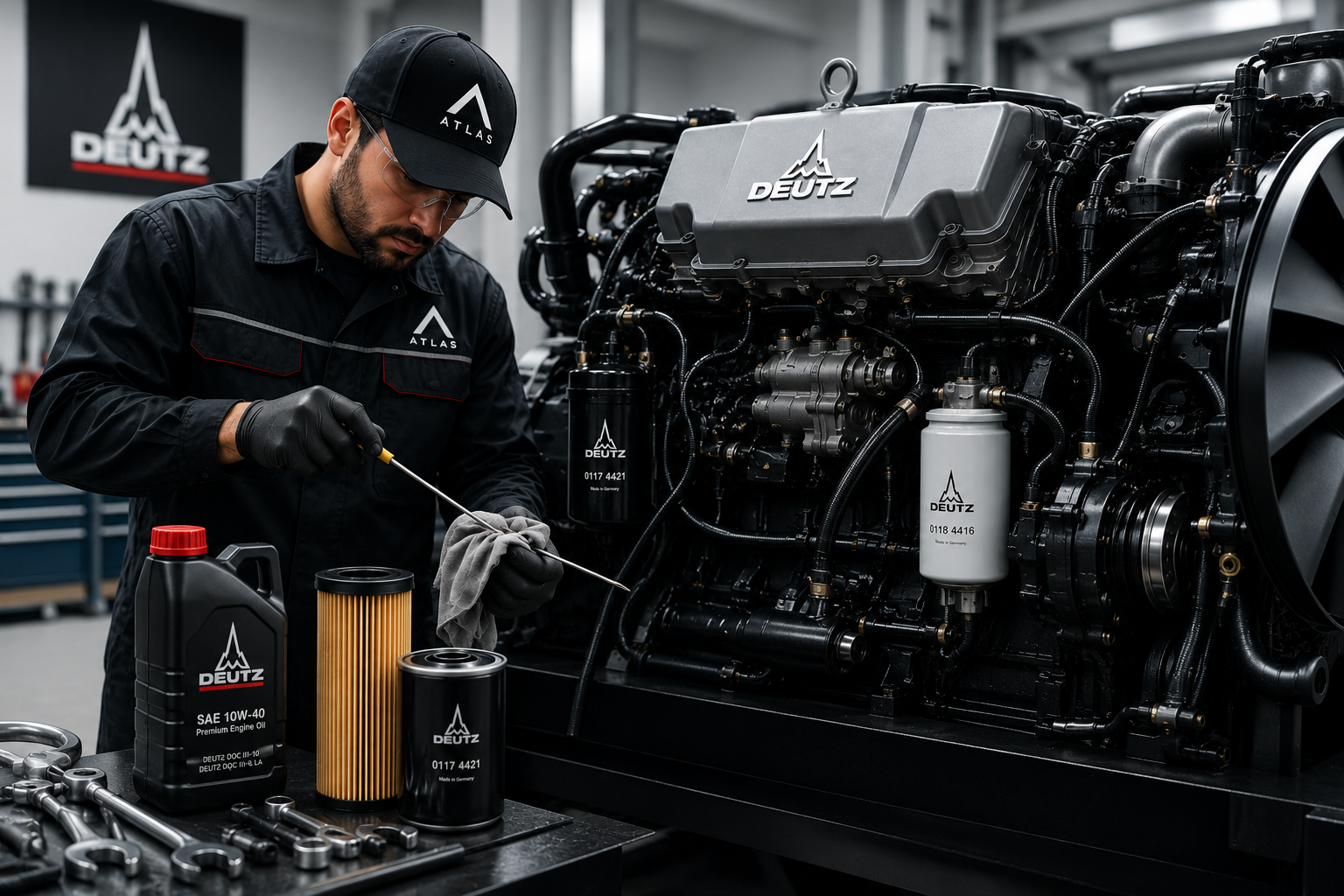

Deutz Engine Maintenance: A Complete Guide to Long-Lasting and Reliable Operation
Why is regular maintenance important for Deutz engines?
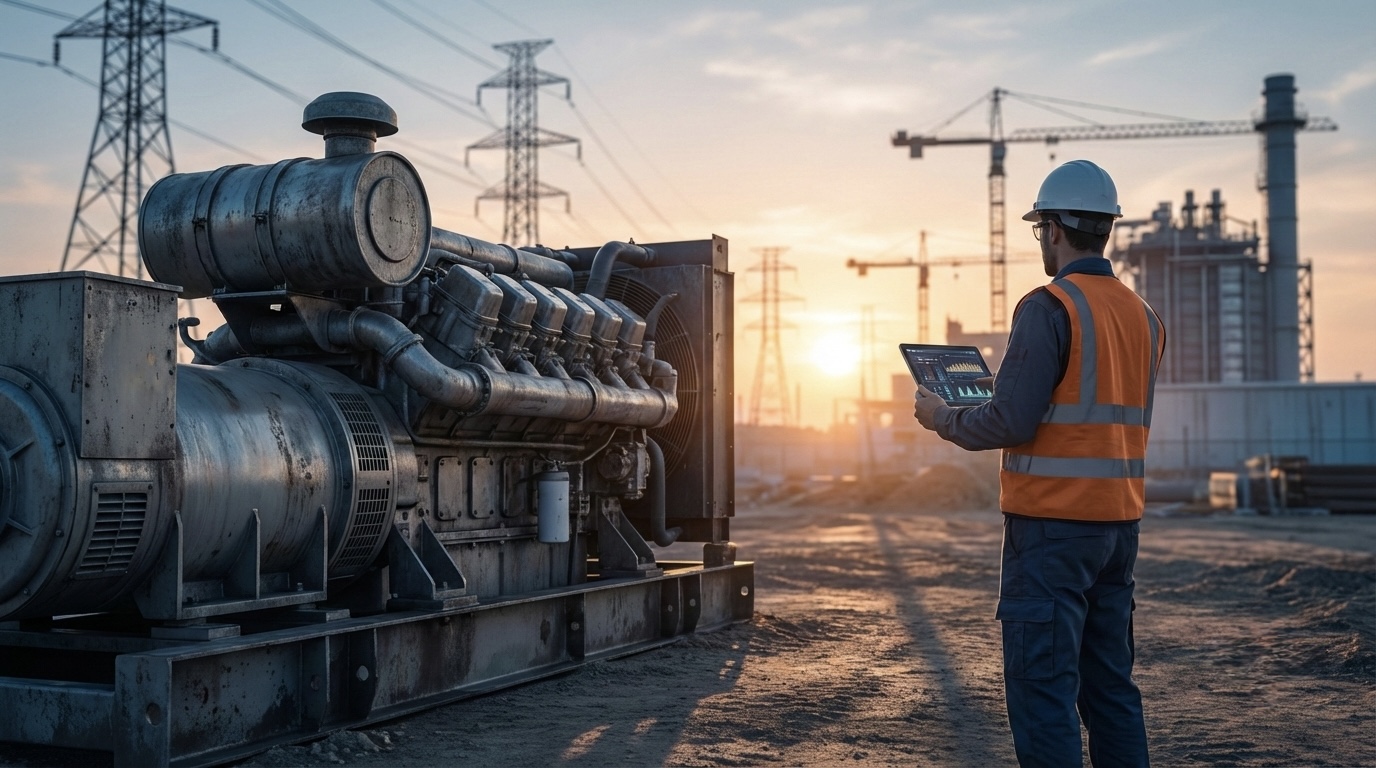
The reliable operation of equipment used in industry, construction, agriculture and the energy sector directly depends on the condition of the engine. Deutz , one of the world's leading diesel engine manufacturers , is known for its high performance, fuel efficiency and long service life. However, even the highest quality engine can lose performance, experience unexpected failures and increase operating costs if not properly maintained.
Regular maintenance not only ensures that the engine operates at maximum power, but also optimizes fuel consumption, minimizes wear and reduces the risk of unplanned downtime. For Deutz engines, especially those operating under severe operating conditions, preventive maintenance is one of the key conditions for long-term reliability.
In this article, we will explain in detail the proper maintenance rules for Deutz engines, the main points to pay attention to, and practical recommendations that increase the service life of the engine.
1. Follow the maintenance interval
Each Deutz engine has a manufacturer-specified service interval. These intervals may vary depending on the engine model, operating hours, and operating conditions.
In engines operating under severe conditions:
- high dustiness;
- high temperature;
- intensive loading;
- continuous operation mode
may require more frequent inspection of maintenance intervals.
The user should pay attention not only to the operating hours, but also to the actual operating conditions of the engine. Adhering to the service schedule is one of the most effective ways to avoid expensive repair costs.
2. Change engine oil on time
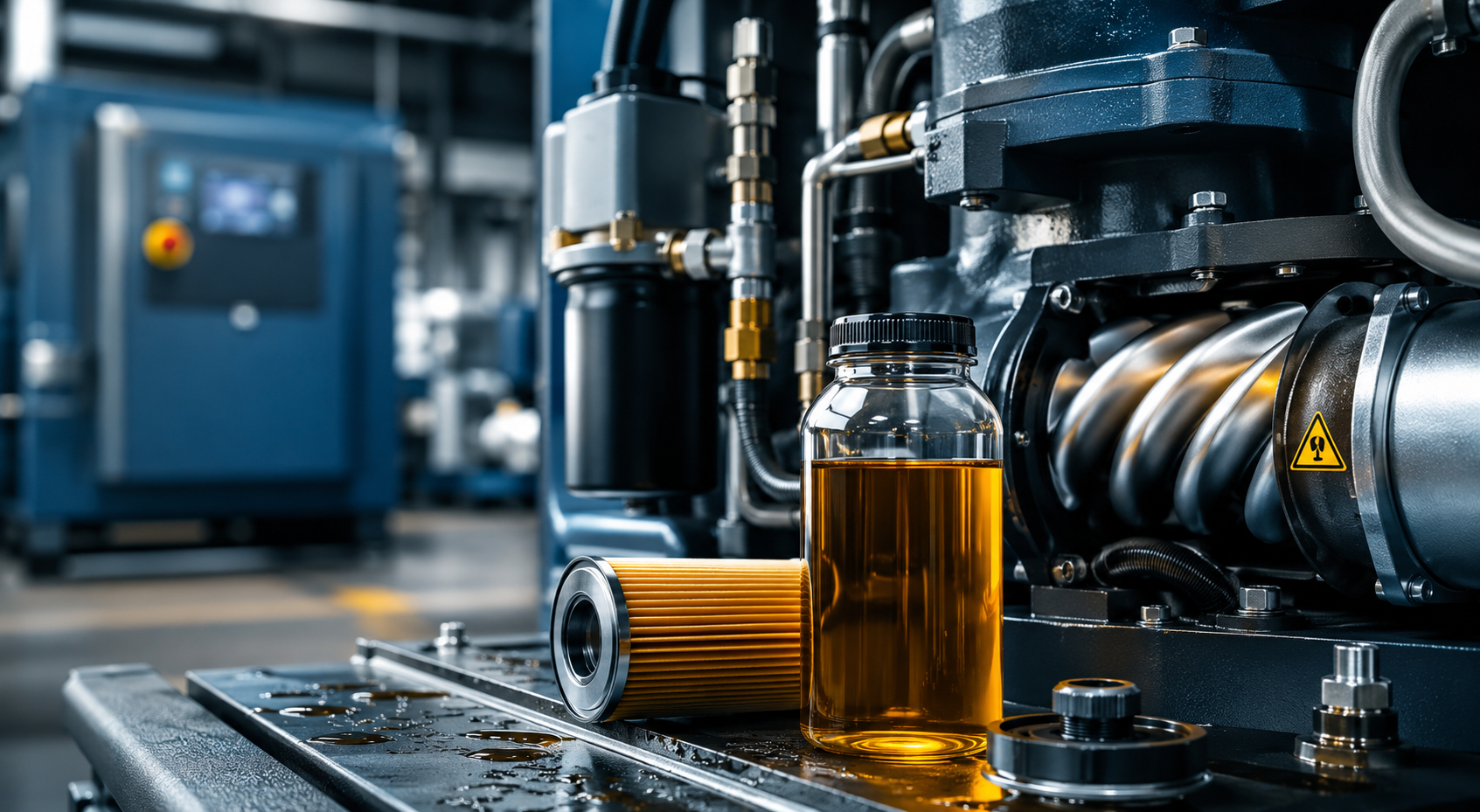
Engine oil lubricates moving parts, reduces friction, dissipates heat, and protects internal parts from corrosion.
Oil not changed on time:
- loses its protective properties;
- gets dirty;
- increases friction;
- accelerates engine wear.
In addition, old oil can cause increased fuel consumption and increased engine temperature.
It is recommended to use genuine engine oils in Deutz engines that meet the manufacturer's recommended specifications. Oil with the wrong viscosity can negatively affect engine performance.
3. Don't forget the oil filter
Just changing the oil is not enough.
The oil filter contains engine oil:
- metal particles;
- carbon deposits;
- other pollutants
It keeps the oil clean.
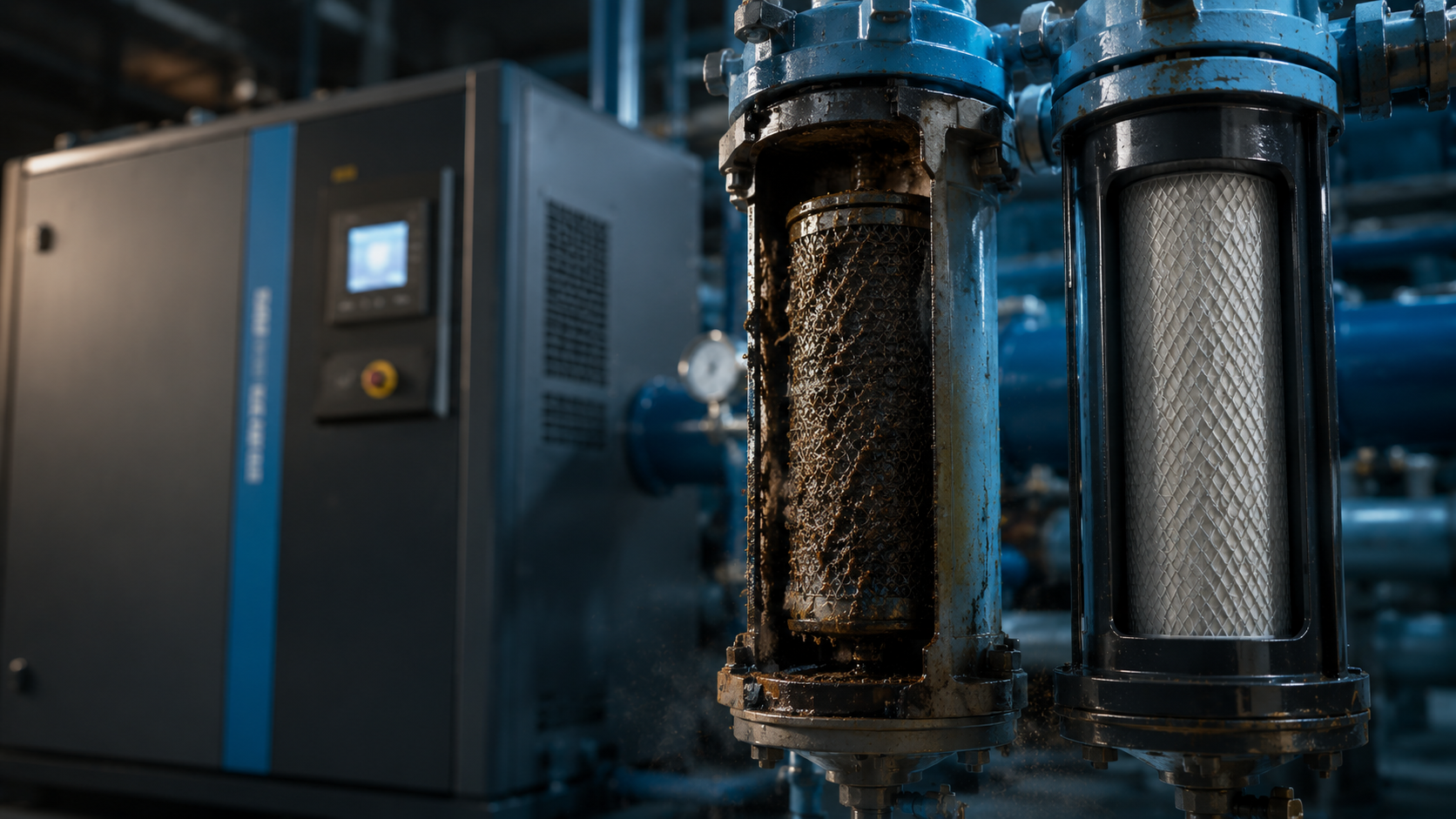
If the old filter is kept, the new oil will soon become contaminated and the lubrication system will lose its previous effectiveness.
Therefore, it is recommended to also replace the oil filter when changing the oil.
4. Check the air filter regularly
Clean air is of great importance for the proper operation of a diesel engine.
The air filter clogs faster in machines operating in dusty environments. Clogged filter:
- reduces the amount of air entering the engine;
- increases fuel consumption;
- causes loss of strength;
- can increase smoking.
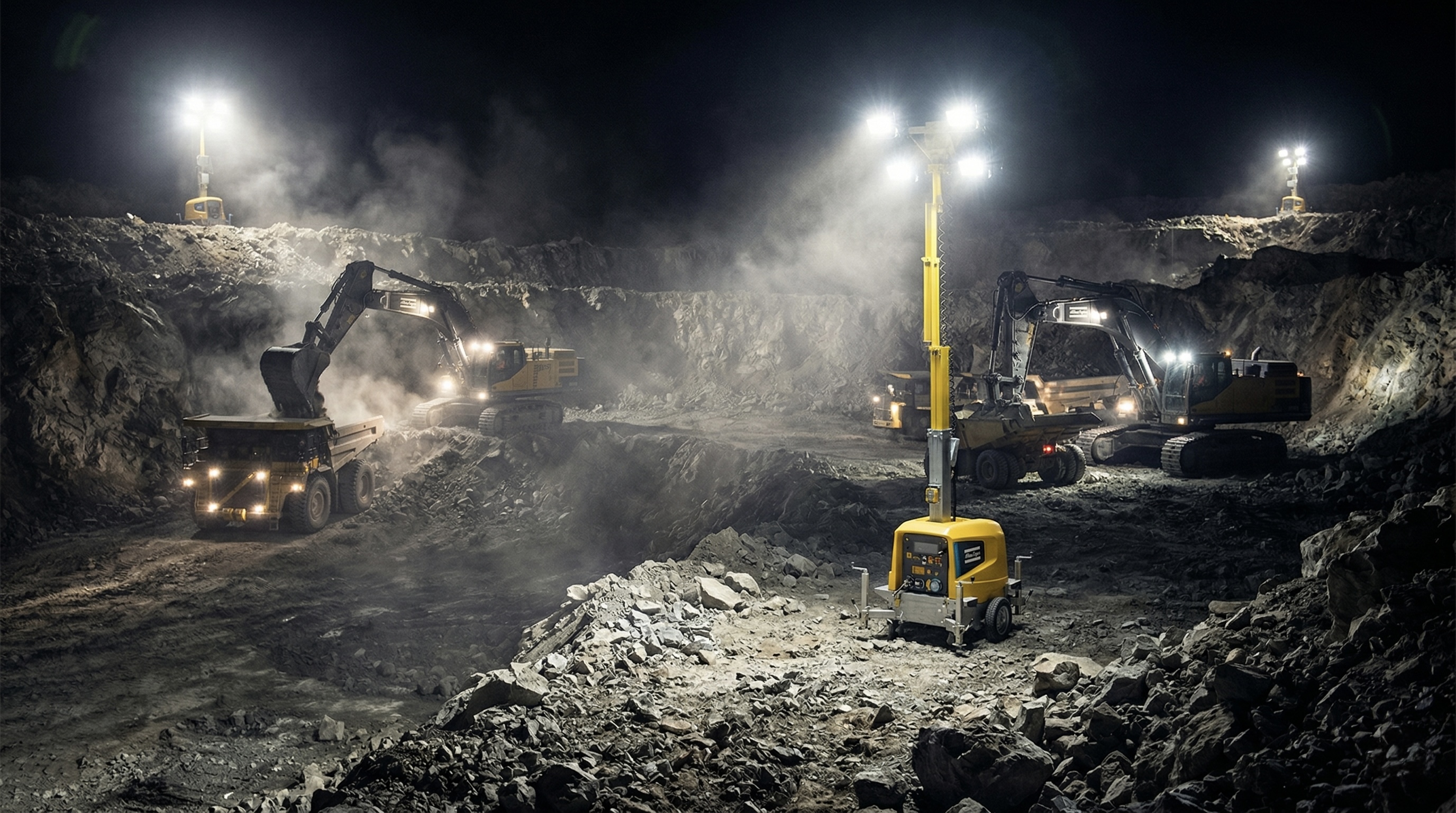
Regular air filter inspection is especially important in equipment operating in harsh conditions such as construction sites, quarries, and mines.
5. Protect the fuel system
Water and impurities entering the fuel system can cause damage to the high-pressure fuel pump and injectors.
To prevent this:
- use quality diesel fuel;
- change the fuel filter on time;
- check the water separator;
- Monitor the cleanliness of the tank.
Proper maintenance of the fuel system helps the engine run more smoothly and extends the life of components.
6. Pay attention to the cooling system
Overheating is one of the most dangerous problems of diesel engines.
In the cooling system:
- radiator;
- antifreeze;
- water pump;
- thermostat;
- hoses
should be checked regularly.
Dust and mud covering the radiator weakens heat exchange and causes the engine temperature to rise.
It is important to use the manufacturer's recommended coolant and keep the antifreeze level under control.
7. Check the belts and hoses
Cracks and leaks in belts, and wear and leaks in hoses, can cause serious problems over time.
Regular inspection reduces the following risks:
- cooling system failure;
- generator failure;
- engine stop;
- unplanned repairs.
Timely elimination of seemingly small problems can prevent major expenses.
8. Keep the electrical system under control
The battery, starter, and alternator are essential components for reliable engine starting.
The following should be checked regularly:
- battery voltage;
- oxidation of terminals;
- electrical connections;
- condition of the cables.
Even minor faults in the electrical system can cause problems with engine starting.
9. Conduct a daily visual inspection
Any operator should perform a brief visual inspection of the engine before starting work.
It is recommended to check:
- oil level (add if necessary)
- coolant (add if necessary)
- Check engine for leaks (oil, coolant, fuel)
- unusual sounds;
- air filter (cleanliness, indicator check).
Problems detected early prevent larger failures.
10. Use original spare parts
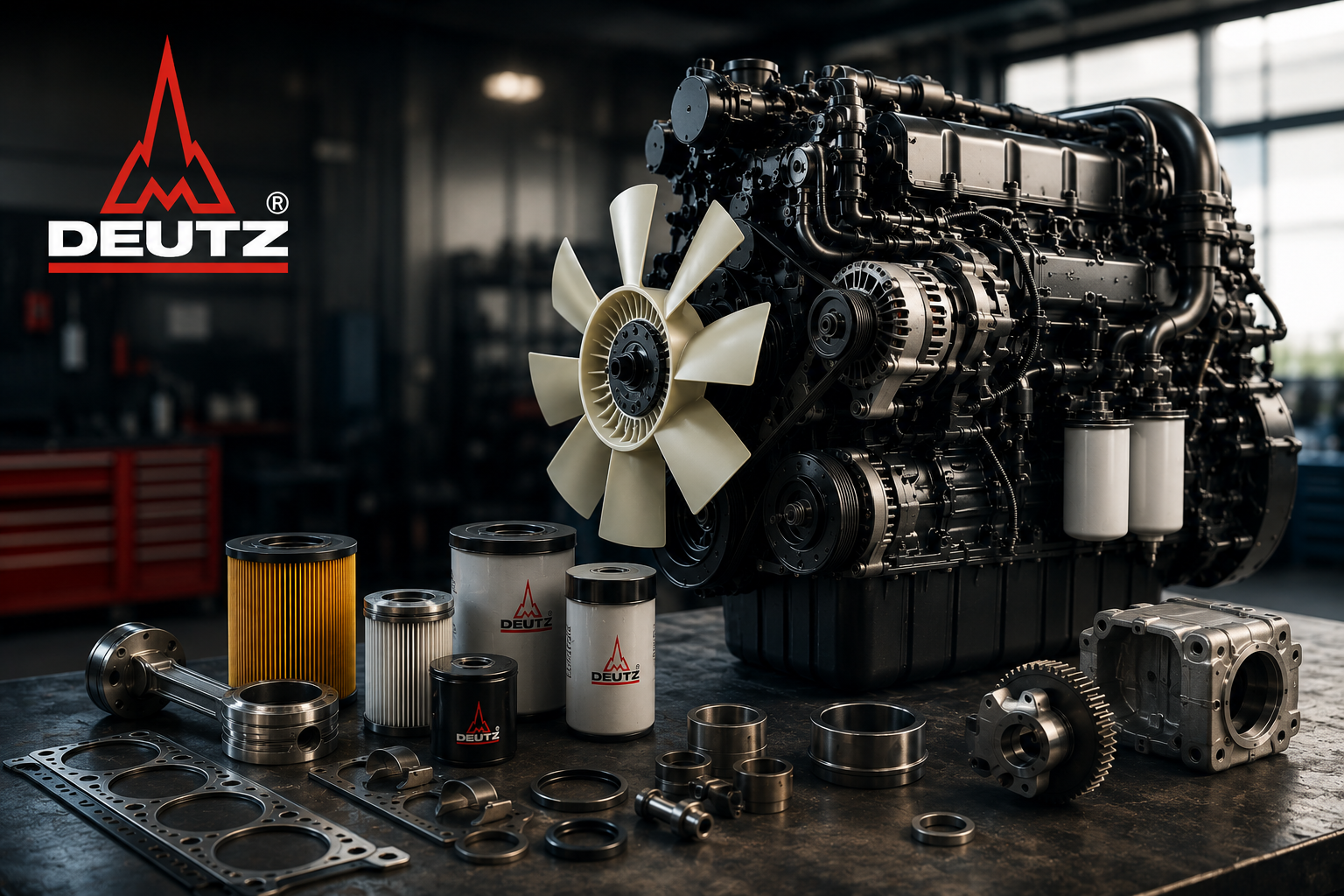
The quality of spare parts used during maintenance directly affects the overall reliability of the engine.
Original Deutz spare parts:
- provides full compatibility with the engine;
- offers a longer service life;
- maintains maximum performance;
- supports safe operation.
Poor quality and unsuitable parts can create additional stress on other engine components, leading to more expensive failures.
Why is preventive service more profitable?
Many users only contact technical support after a problem occurs. However, preventive service:
- reduces unexpected downtime;
- reduces maintenance costs;
- maintains equipment productivity;
- increases fuel efficiency;
- extends engine life.
Planned maintenance saves both time and money in the long run.
Why is professional service for Deutz engines important?
Modern Deutz engines are equipped with high-tech control systems. Therefore, maintenance is not limited to replacing parts.
During professional service:
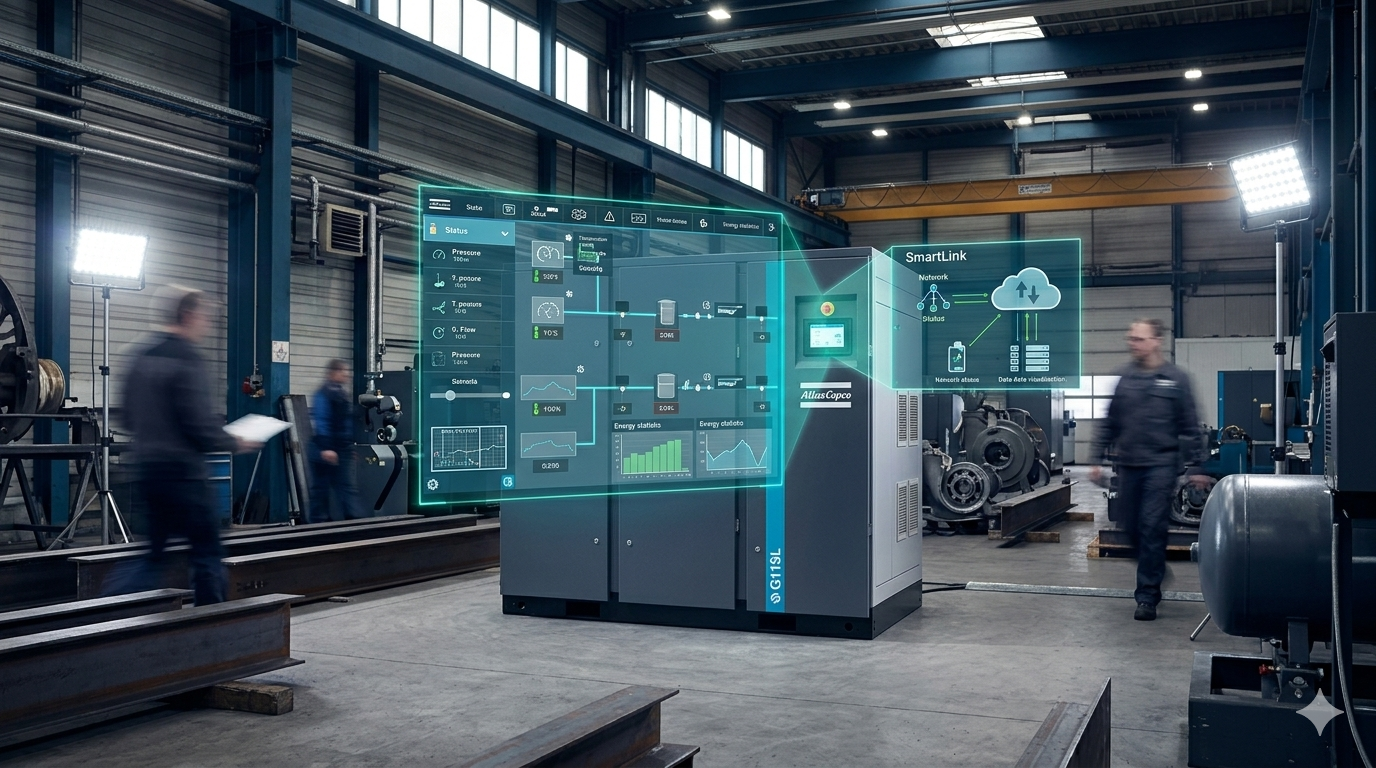
- electronic diagnostics are performed;
- real engine performance indicators are analyzed;
- possible malfunctions are identified at an early stage;
- Maintenance is carried out in accordance with the manufacturer's technical standards.
This approach not only increases the reliability of the engine, but also ensures that it operates at maximum efficiency.
Conclusion
Deutz engines are known for their high quality, reliability and long service life. However, proper maintenance is essential to maintain these advantages.
Timely oil and filter changes, maintenance of cooling and fuel systems, daily visual inspections, and the use of genuine spare parts help ensure the engine operates reliably for many years.
Regular preventive maintenance not only prevents breakdowns, but also increases equipment productivity, optimizes fuel consumption, and reduces overall operating costs.
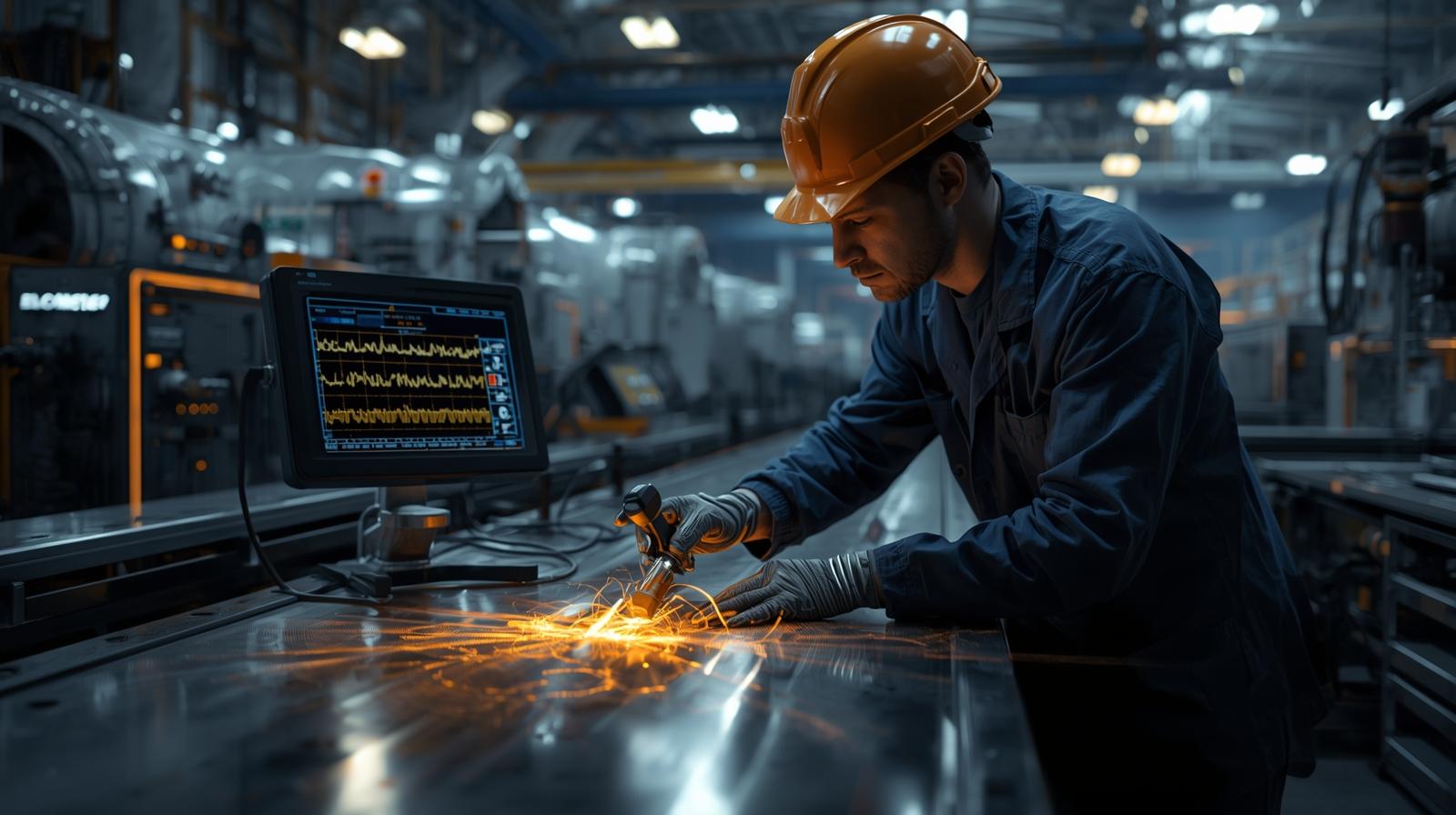
If you want to have your Deutz engine professionally assessed for its technical condition, benefit from service with original spare parts, and receive maintenance in accordance with manufacturer standards, Atlas' specialists are ready to support you.
Frequently Asked Questions (FAQ)
How often should the Deutz engine oil be changed?
The oil change interval depends on the engine model, operating hours, and operating conditions. The manufacturer's technical manual should be followed for the most accurate interval.
How often should you check the air filter?
Since the air filter clogs more quickly in dusty and heavy working conditions, it should be checked regularly and replaced when necessary.
Why is it important to use original spare parts?
Original parts are manufactured in full accordance with the engine's technical specifications, ensuring a longer service life and reducing the risk of unexpected failures.
What are the advantages of preventive service?
Preventive maintenance reduces unplanned downtime, optimizes repair costs, improves fuel economy, and extends engine life.