
Dust reduction and worker safety in sandblasting operations
Sandblasting is an effective surface preparation method widely used in industrial applications to clean, remove corrosion, and remove paint and coating residues from metal surfaces. This process plays an important role, especially in metal structures, pipelines, tanks, shipping, manufacturing, and construction.
However, the dust and abrasive particles generated during the sandblasting process can seriously affect both the working environment and the health of the workers. Therefore, not only productivity, but also dust control and worker safety should be a top priority in sandblasting operations.
Why is dust generated during sandblasting?
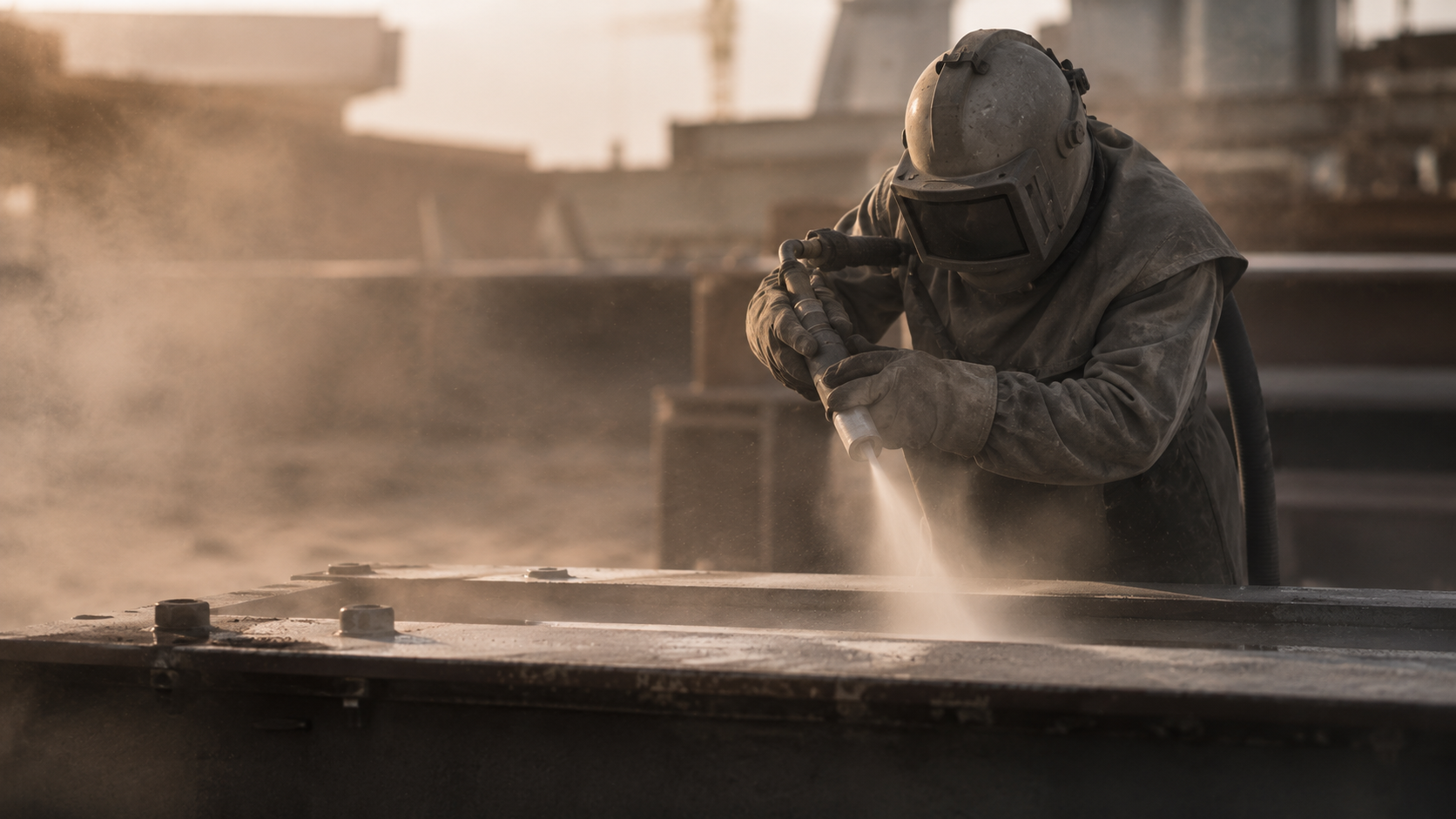
During sandblasting, an abrasive material is directed at the surface using high-pressure air. This material removes rust, old paint, dirt, and other residues from the surface. During the process, small particles are released from both the abrasive material used and the surface being cleaned.
These particles can become airborne and create a dust cloud in the work area. The amount of dust varies depending on the equipment used, the type of abrasive material, the ventilation of the work area, and the sandblasting method.
In open-air blasting, dust can be more widely dispersed. In enclosed areas, dust accumulation poses a higher risk to workers. Therefore, it is important to use the right technical solutions and protective equipment in both cases.
The impact of dust on worker health
Dust generated during sandblasting can negatively affect the respiratory tract, eyes, and skin. Fine particles can enter the body through inhalation, and prolonged exposure can pose a health risk.
In addition, there are additional hazards during the sandblasting process, such as loud noise, fast air flow, flying particles, and limited visibility. The risk of injury increases if the worker does not use protective equipment properly.
Therefore, safety in sandblasting should not be limited to personal protective equipment. Reducing dust at the source, properly organizing the work area, and monitoring the technical condition of equipment are equally important.
Basic methods for dust reduction
While it is not always possible to completely eliminate dust from sandblasting operations, it is possible to significantly reduce it. The right technology, appropriate equipment, and a planned work process are essential.
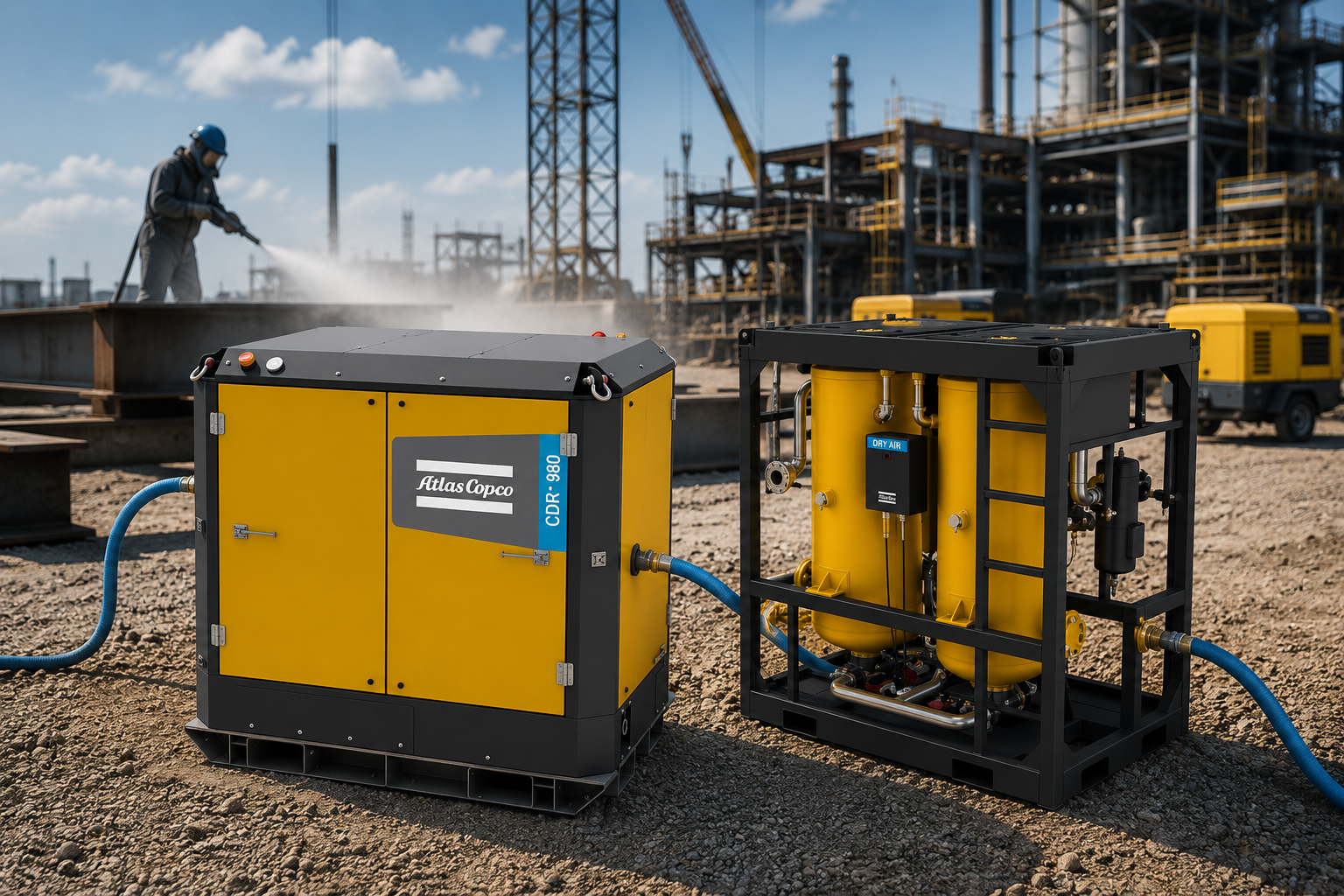
One of the most effective methods is the use of wet sandblasting technology. During wet sandblasting, the abrasive material is directed onto the surface along with water. The water prevents dust particles from becoming airborne and creates a cleaner work environment. This method is especially advantageous in areas where dust must be kept to a minimum.
Another important solution is dust collection systems. Professional dust collection equipment helps to collect the dust generated during sandblasting before it is released into the air. These systems both improve the worker's field of vision and create a safer environment.
Enclosed blasting booths are also an effective method of dust control. When blasting inside the booth, the dust is contained within a confined area and filtered through a filtration system. This both increases operator safety and keeps the work area cleaner.
Why is choosing the right equipment important?
The quality of the equipment used in sandblasting directly affects both the result and safety. Low-quality or technically defective equipment can lead to increased dust dispersion, unstable pressure, and increased risks in the work process.
Airblast professional sandblasting equipment is used in this field for a more stable and controlled work process. When a sandblasting machine, wet sandblasting system, dust collection equipment and breathing air filtration system are used together, both productivity increases and worker safety is ensured at a higher level.
The main goal here is not just to clean the surface. The main goal is to perform the work safely, sustainably, and in accordance with standards.
Personal protective equipment is a must
It is important for the operator to use personal protective equipment during sandblasting operations. A protective helmet, respirator or breathing system, protective clothing, gloves, safety shoes, and hearing protection should be an integral part of the work process.
A blasting helmet helps protect the worker from flying particles, dust, and restricted vision. A breathing air system provides the operator with cleaner air. Protective clothing and gloves prevent direct skin contact with the abrasive material.
It is not enough to simply have protective equipment. It is also important that it is selected correctly, fits properly, and is inspected before use. Damaged, dirty, or substandard protective equipment can reduce safety.
Ventilation and organization of the work area
Proper ventilation in the sandblasting area is a key factor in dust control. Especially in confined spaces, proper air circulation must be organized. Otherwise, dust remains in the air and increases the risk to workers.
The work area should be prepared in advance for the sandblasting process. Unnecessary objects should be removed from the area, and nearby persons should be prevented from entering the danger zone. Warning signs, physical barriers, and separation of the work area are important for safety.
If the work is carried out outdoors, the wind direction should also be taken into account. The process should be planned properly to prevent the spread of dust to other workers, equipment and the surrounding area.
Training and technical supervision
Training plays a major role in ensuring worker safety. Sandblasting operators must know the operating principles of the equipment they use, safety regulations, and how to behave in emergency situations.
Equipment should be inspected regularly. Air hoses, connections, nozzles, pressure gauges, filtration systems, and protective equipment should be inspected before work. Even a minor technical malfunction can cause serious problems during work.
Scheduled maintenance not only increases safety but also extends the service life of equipment. This approach also helps reduce additional costs and downtime risks for businesses.
Dust reduction is both safety and productivity
Some businesses see dust reduction as just a safety measure, but in reality it is also a factor that directly impacts productivity. Less dust means better visibility, a more comfortable workflow, and better surface preparation.
Keeping dust under control results in less equipment contamination, a cleaner work area, and a more comfortable working environment for employees, all of which increases the overall efficiency of the process.
The basic principle in professional sandblasting is simple: the right equipment, the right method, and the right safety approach must come together.
Conclusion
Dust reduction and worker safety are inseparable concepts in sandblasting operations. Failure to control dust can pose a risk to both worker health and the quality of the work process.
Wet blasting systems, dust collection equipment, enclosed blasting booths, breathing air filtration systems, and personal protective equipment are key solutions to mitigate these risks. In addition, employee training, equipment maintenance, and proper work area organization are also important parts of a safe blasting process.
For industrial enterprises, sandblasting is not just a surface cleaning process. It also means protecting employee health, achieving quality results, and creating a safe working environment.
With professional equipment and the right safety approach, it is possible to perform sandblasting work in a cleaner, more controlled, and safer manner.