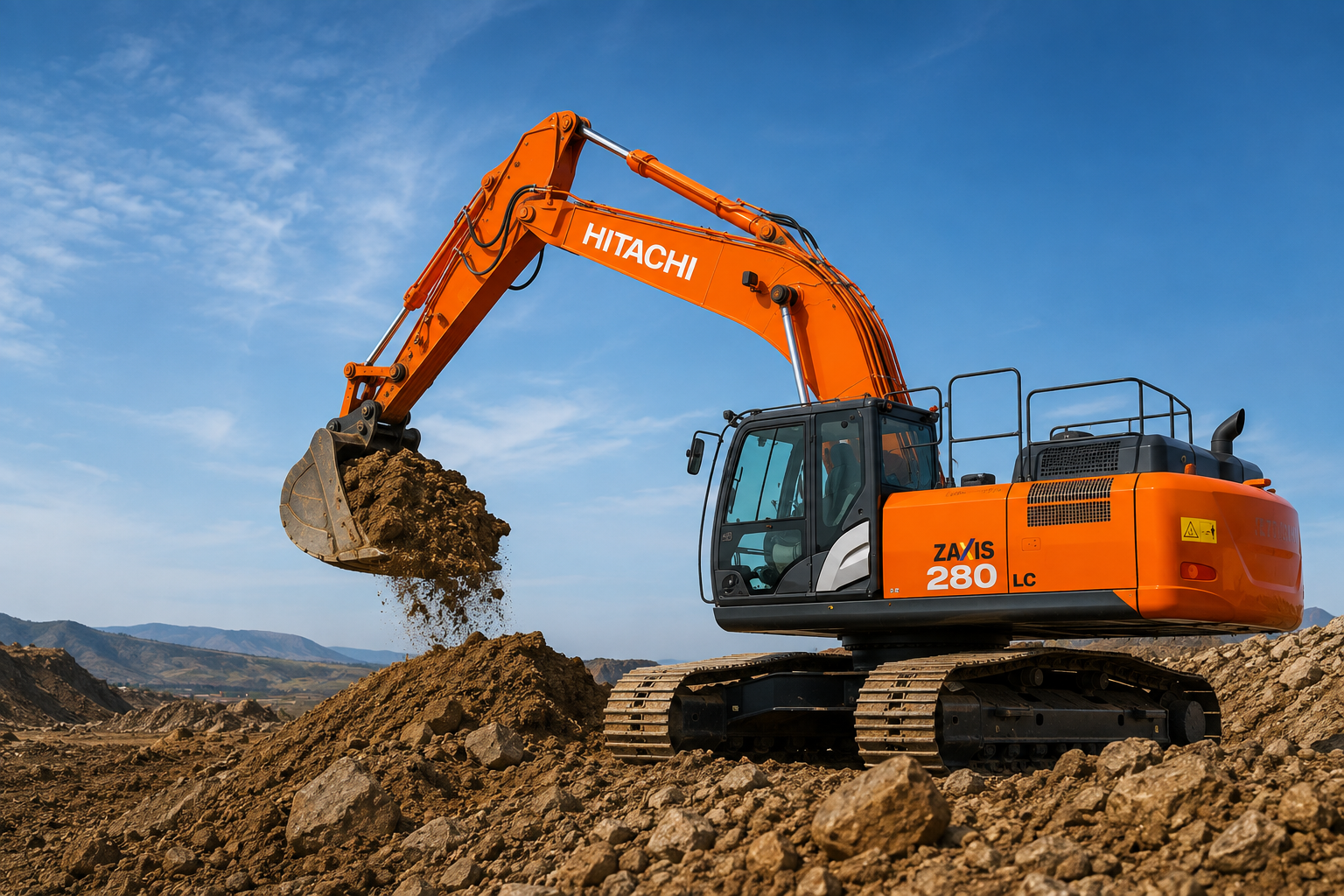
How to Improve Excavation Productivity with Hitachi ZX280-5G

How to make excavation work more productive with the Hitachi ZX280-5G?

In construction, road infrastructure, quarrying and large-scale earthworks, productivity does not depend only on the power of the excavator. The correct selection of equipment, setting the operating mode according to the conditions, the correct operating method of the operator and scheduled maintenance have a direct impact on the volume of work performed during the day.


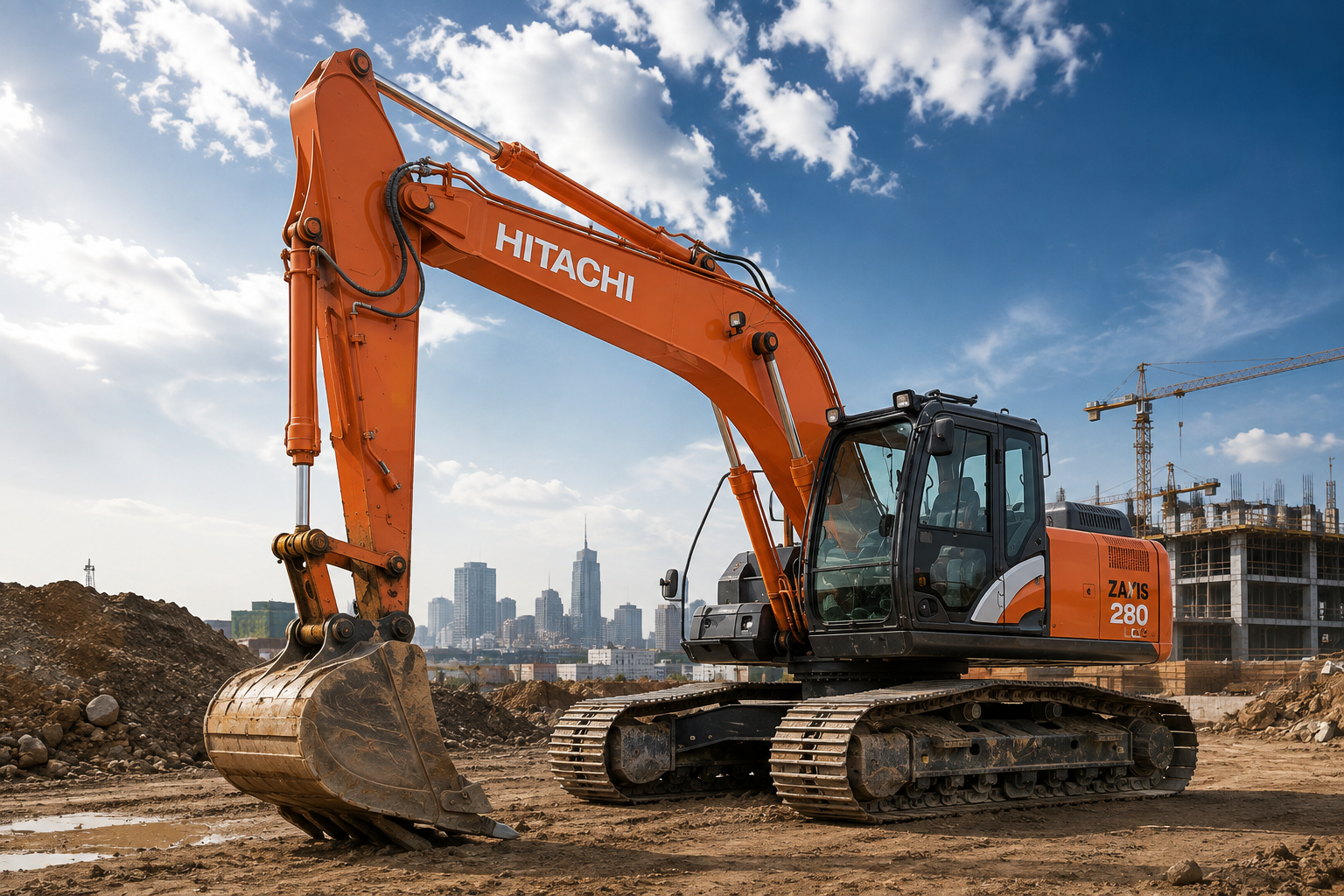
The Hitachi ZX280-5G is one of the excavators designed for high performance and reliable operation in heavy-duty conditions. So how can you make excavation work more productive when using the ZX280-5G?


1. Plan the work area properly in advance

Productive excavation work begins before the excavator starts working.

The location of the equipment, the direction of excavation, and the route of the trucks should be determined in advance. Reducing unnecessary excavator movements and long turning angles allows each work cycle to be completed more efficiently.

Especially in large-scale excavations, a few seconds saved in one operation can have a significant impact on overall productivity at the end of the day.


2. Choose a mode that suits your working conditions

Not every excavation job requires the same amount of power. The excavator's operating mode must be selected correctly, taking into account the structure of the soil, the depth of the excavation, and the characteristics of the material to be loaded.

The goal is not to constantly run the engine at maximum power, but to perform the required work with optimal power and fuel consumption.

This approach helps both maintain productivity and prevent unnecessary fuel consumption.


3. Optimize the drilling – lifting – turning – unloading cycle

One of the main indicators of excavator productivity is how efficiently a work cycle is completed.

The operator should try to reduce the distance and the turning angle between the drilling point and the unloading point as much as possible.

For example, properly positioning a truck on an excavator can eliminate the need for additional movements during each cycle, allowing more material to be moved in the same amount of time.


4. Use the bucket correctly

Filling the bucket excessively or at an incorrect angle does not always mean higher productivity.

Selecting the drilling angle according to the material properties:

  • more effective filling of the bucket;
  • reduction in drilling time;
  • prevention of additional load on equipment;
  • helps to use fuel more efficiently.

The operator's experience and correct working technique play a special role here.


5. Maintain the stability of the technique

The surface on which the excavator operates should be as stable as possible. Working in an uneven or unsuitable position can make the operator's movements difficult and extend the work cycle.

Placing the ZX280-5G in a stable position in line with the excavation direction allows for more comfortable excavation and loading operations.


6. Minimize downtime

One of the main reasons for loss of productivity in the workplace is when the engine is left running without the equipment running.

Waiting for the truck, poor coordination in the field, and interruptions in the work process cause both time loss and additional fuel consumption.

Therefore, the productivity of the ZX280-5G should be evaluated not only at the excavator level, but as part of the entire work process .


7. Don't delay scheduled maintenance

Maintenance is essential for continued high productivity.

Engine oil, hydraulic system, filters, cooling system, pallets and other key components should be checked regularly.

Timely detection of a minor malfunction can prevent longer technical downtime in the future, because productivity in heavy equipment is measured not only by the work done per hour, but also by the time the equipment is ready for work.

Operator + technique + proper planning


To fully utilize the potential of the Hitachi ZX280-5G, it is not enough to rely solely on technical specifications.

A properly planned work area + experienced operator + optimal operating mode + timely maintenance together allow for higher productivity.

This approach results in less unnecessary movement, more efficient work cycles, optimal fuel usage, and higher daily throughput.

More information about Hitachi ZX280-5G

For detailed information about the Hitachi ZX280-5G model, technical specifications, terms of sale, service and spare parts, you can contact Atlas specialists.


Qumlama avadanlığı nə üçündür?

Qumlama avadanlığının 8 əsas üstünlüyü

Yağlı hava kompressorları nə üçündür?

5 Key Things to Know Before Renting a Generator

Generator Applications – Where is Generator Rental Essential?

Ever wondered “What is sandblasting and why is it so important?”

The Breath of Industry: Further with ATLAS Technologies

Piston Compressors: Power, Speed, and Stability with Atlas

Equipment Selection for Sandblasting – Why Airblast?

Pipeline Inspection: Importance, Processes and Equipment

7 Key Factors to Consider When Choosing a Generator

Differences Between Compressors: Screw vs. Piston – Which One Should You Choose?
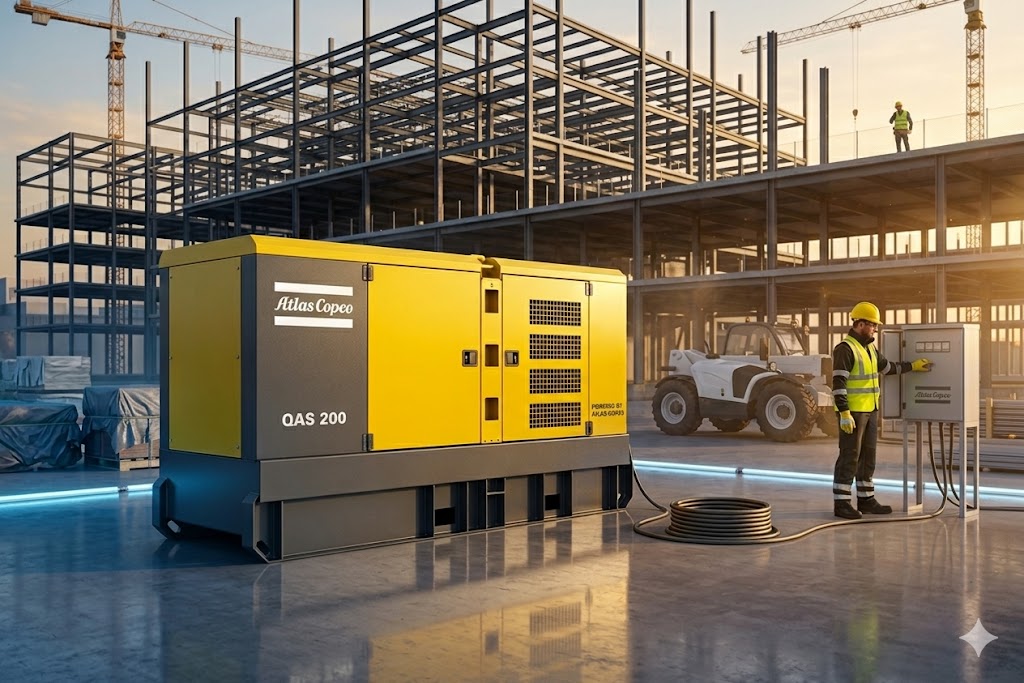
What is Sandblasting and Where Is It Used?

The Secret to Working Efficiently in Harsh Conditions with Epiroc Equipment

Top 5 Common Mistakes During Equipment Repair and Service — And How to Avoid Them

How Equipment Rental Brings Savings and Flexibility to Your Business

5 Key Things You Should Know About Compressors

The Right Generator Strategy for Energy Efficiency in Industrial Facilities

How to Measure the Return on Investment (ROI) for Equipment

Genuine vs. Counterfeit Spare Parts: What Really Matters for Your Deutz Engine?
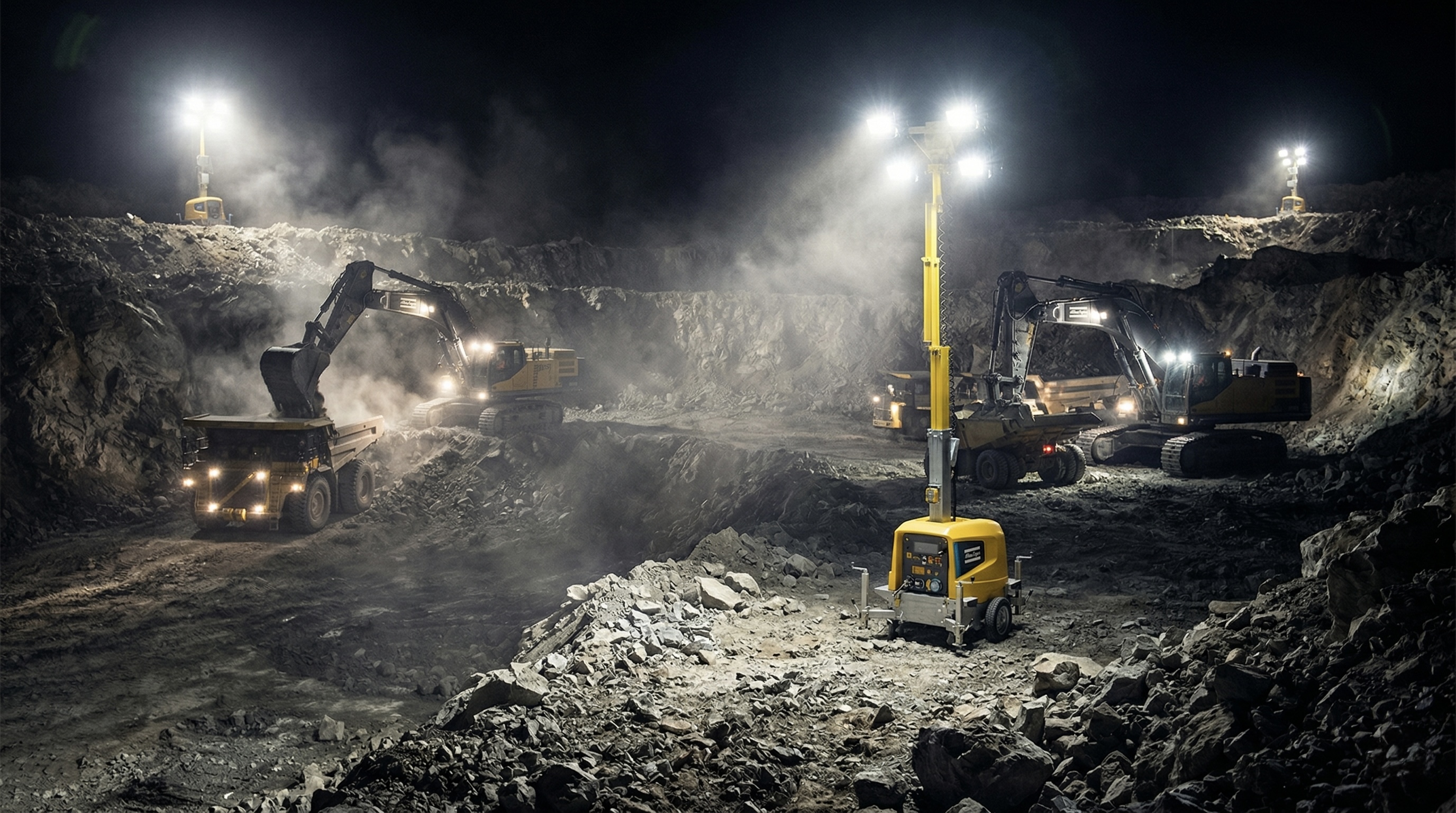
Advantages of DEUTZ Engines: Why Should You Choose DEUTZ?

DEUTZ Engine Training and Professional Diagnostics by Atlas

7 Life-Saving Advantages of Generators — Why Every Worksite Needs One

How to Minimize the Risk of Losing Power at a Worksit

7 Steps to minimize risks in industrial facilities

Equipment Usage in Hot and Cold Climates: Best Practices for Extreme Weather Performance

The Technical Importance of Color Selection in Industrial Coatings

How to Detect Invisible Damage in Industrial Equipment

What Is VSD Technology in Air Compressors and How Does It Save Energy?

Which Compressor Power Should Be Chosen for Each Industry?

Why Is Moisture in Compressed Air Dangerous and How Can It Be Prevented?

How to Reduce Compressor Energy Consumption?

Optimal Compressor Solution for Small Manufacturing – Energy Efficient and Reliable Choice

How to Calculate Generator Power Correctly?

How to protect your business from power outages? Backup Generators & Energy Solutions

Mobile Diesel Generators: Advantages of Atlas Copco QAS+ Series

Atlas Copco QES Generators – Reliable and Mobile Power Solutions

Atlas Copco LED Light Towers – Efficient Lighting Solutions for Construction and Industrial Sites

Atlas Copco QAS Series Mobile Diesel Generators – Reliable and Efficient Power Solutions

Atlas Copco Electric HiLight Light Towers – Energy Efficient Portable Lighting Solutions

Solar Light Towers: Eco-Friendly and Silent Lighting Solution

Atlas Copco Handheld Tools: Mobile Power Solutions for Construction and Industry

What is SMARTLINK? Smart Monitoring and Energy Management for Air Compressors

Why Does Pressure Drop Occur in a Compressed Air System ?

Which Compressor System is Best for 24/7 Industrial Operations?

Why Accurate Measurement Matters in Protective Coating Systems

How to Choose the Right Generator for Data Centers and Server Rooms ?

How Should a Backup Power Plan Be Created for Industrial Facilities?

Dust Reduction and Worker Safety in Sandblasting Operations

Why Compressor Oil Quality Matters and When It Should Be Changed

Deutz Engine Maintenance: Complete Guide for Maximum Performance and Reliability

How to Build a Backup Air Compressor Plan for Industrial Facilities

What Is a Portable Air Dryer Used For? | Benefits of Dry Compressed Air

What Should You Consider When Choosing an Excavator ?

Why Is Proper DEUTZ Engine Service Important ?

Send request

{{email_error}}

Sussess name

Success text

Send request

{{email_error}}

Sussess name

Success text

Подготовка поверхности/пескоструйная обработка/окраска

Подготовка поверхности является необходимой первой стадией обработки стальной подложки перед нанесением любого покрытия и наиболее важным фактором, влияющим на общий успех системы защиты от коррозии. На производительность покрытия значительно влияет его способность правильно прилипать к материалу подложки.

Остаточная прокатная окалина на стальных поверхностях является не удовлетворительной основой для применения современных, высокоэффективных защитных покрытий и поэтому удаляются абразиво струйной очисткой. Другие поверхностные загрязнения на прокате стальной поверхности, такие как масло и жир также не желательны и должны быть удалены перед процессом струйной очистки.

Остаточная прокатная окалина на стальных поверхностях является не удовлетворительной основой для применения современных, высокоэффективных защитных покрытий и поэтому удаляются абразиво струйной очисткой. Другие поверхностные загрязнения на прокате стальной поверхности, такие как масло и жир также не желательны и должны быть удалены перед процессом струйной очистки.

{{email_error}}

Sussess name

Success text